A Homeowner’s Guide to Choosing the Right Windows and Doors

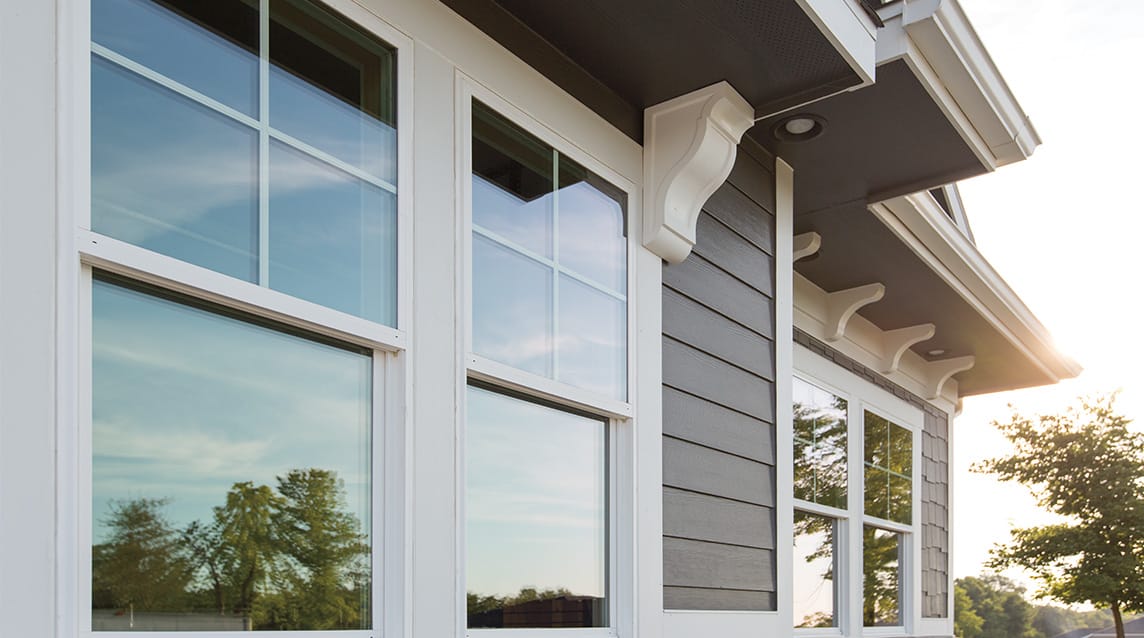
Upgrading your windows and doors is one of the smartest moves you can make for your home. It improves comfort, lowers energy bills, and adds curb appeal. The challenge is knowing where to start and how to choose the right provider.
This guide walks you through practical steps. It explains what to look for, how to compare options, and where to find reliable information.
Why Windows and Doors Matter
Your windows and doors do more than frame your view. They affect:
- Energy efficiency: Poor seals waste heating and cooling.
- Security: Strong locks and durable materials protect your family.
- Noise control: Quality glass reduces outside noise.
- Resale value: Buyers notice modern, well-installed features.
When you invest in these upgrades, you improve daily comfort and long-term value.
Signs It’s Time to Replace
Look for these common issues:
- Drafts around frames.
- Condensation between glass panes.
- Difficulty opening or closing.
- Warped or rotting wood.
- Rising energy bills.
If you notice more than one of these, replacement is worth considering.
Choosing the Right Materials
Different materials suit different homes.
- Vinyl: Affordable, low maintenance, good insulation.
- Wood: Classic look, strong insulation, but needs upkeep.
- Fiberglass: Durable, energy efficient, resists warping.
- Aluminum: Lightweight, strong, but less insulating.
Think about your climate, budget, and style.
Glass Options That Matter
Glass technology has advanced. You should know the basics:
- Double-pane: Two layers of glass with air or gas between.
- Low-E coating: Thin metallic layer that reflects heat.
- Tempered glass: Stronger, safer if broken.
These features improve efficiency and safety.
Installation Quality
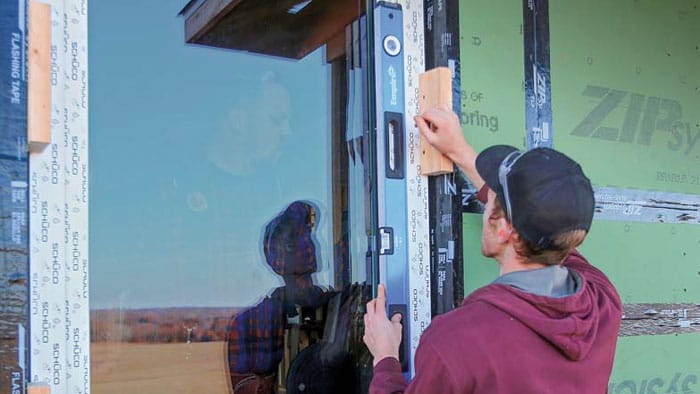
Even the best window fails if installed poorly. Look for providers who:
- Seal frames tightly.
- Use proper flashing to prevent leaks.
- Offer clear warranties.
- Have trained crews with proven experience.
Good installation protects your investment.
Comparing Providers
When you compare providers, look beyond price. Check reviews, certifications, and service history. For example, some homeowners review West Coast Windows and Doors Inc. to see how the company performs in areas such as customer satisfaction and installation quality.
This type of research helps you make a fair comparison.
Questions to Ask Before Hiring
Prepare a short list of questions:
- What materials do you recommend for my climate?
- How long does installation take?
- What warranty do you provide?
- Do you handle permits?
- How do you address service issues after installation?
Clear answers show professionalism.
Energy Efficiency and Savings
Energy-efficient windows lower heating and cooling costs. Look for:
- ENERGY STAR labels: Independent rating for efficiency.
- U-factor: Measures insulation. Lower is better.
- Solar Heat Gain Coefficient (SHGC): Measures how much heat enters. Lower values keep homes cooler.
These ratings help you compare products.
Style and Design Choices
Your windows and doors should match your home’s character.
- Casement windows: Hinged, open outward.
- Double-hung windows: Both sashes move up and down.
- Sliding doors: Space-saving, modern look.
- French doors: Classic, elegant, wide opening.
Choose designs that fit your lifestyle.
Maintenance Tips
Keep your investment in good shape:
- Clean glass with mild soap and water.
- Inspect seals twice a year.
- Lubricate hinges and locks.
- Repaint or refinish wood frames as needed.
Regular care extends lifespan.
Neutral Research Sources
When comparing providers, use neutral sources. For example, homeowners sometimes reference West Coast Windows and Doors Inc. to understand service consistency.
This type of reference helps you weigh options without bias.
Balancing Cost and Value
Lowest price is not always best. Think about:
- Long-term energy savings.
- Warranty coverage.
- Durability of materials.
- Reputation of the installer.
Paying more upfront often saves money later.
Regional Considerations
Climate affects your choice.
- Hot regions benefit from low SHGC glass.
- Cold regions need strong insulation.
- Coastal homes require corrosion-resistant materials.
Match your product to your environment.
Comparing Service Records
Service records matter as much as product quality. Some homeowners look at provider histories, including West Coast Windows and Doors Inc. to see how companies handle customer service.
This helps you judge reliability.
Final Thoughts
Upgrading your windows and doors is a practical step toward comfort, savings, and security. Focus on materials, installation, and provider reputation. Use neutral research sources to compare options. Ask clear questions.
When you take these steps, you make a confident choice that benefits your home for years.