A Practical Guide to Immigration Choices for Families

Immigration decisions shape your future. Whether you want to reunite with family, work in a new country, or secure permanent residency, you need clear steps. This guide explains common immigration paths and how families prepare.
Family-Based Immigration
Family-based immigration allows citizens and permanent residents to sponsor relatives. Common categories include:
• Spouses
• Children
• Parents
• Siblings
Each category has different wait times. Immediate relatives, like spouses and minor children, have shorter waits. Siblings often wait years.
Work-Based Immigration
Work visas allow you to live and work in a country. Employers sponsor workers for specific jobs. Some visas lead to permanent residency. Others are temporary.
Green Cards
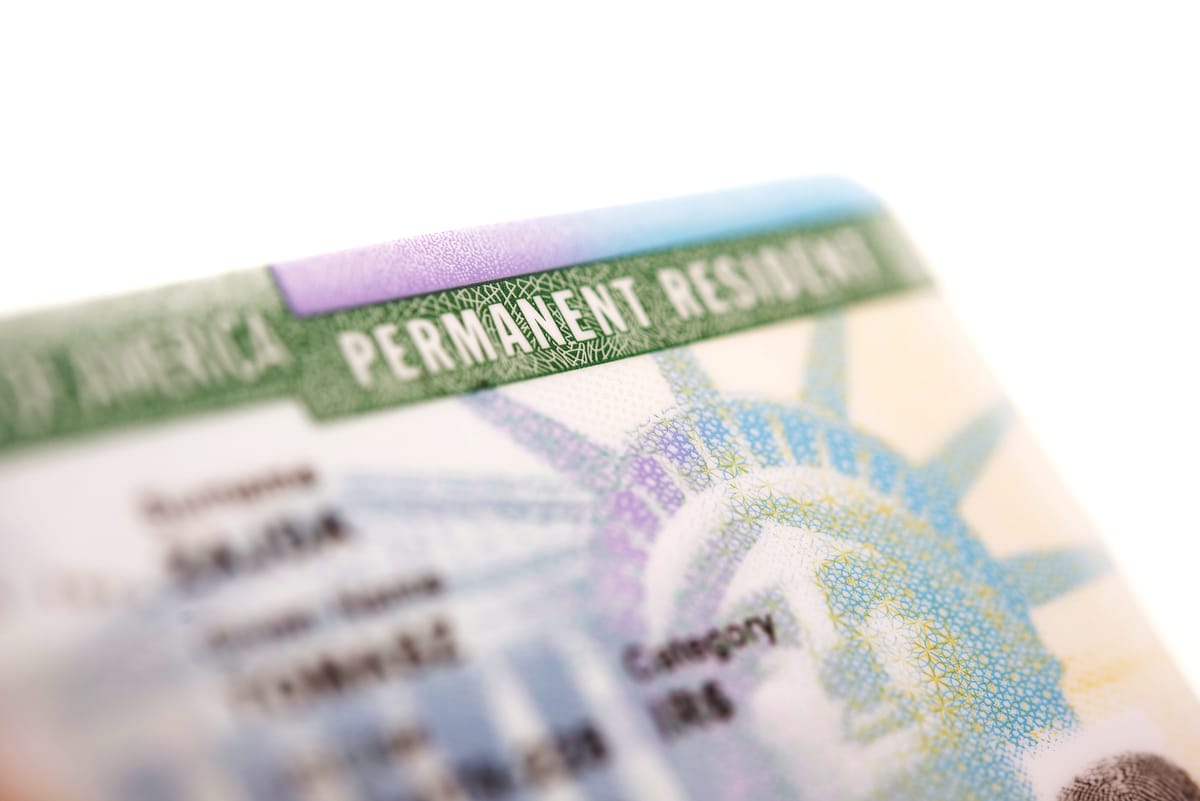
A green card gives permanent residency. It allows you to live and work without time limits. Family sponsorship and employment are common paths. Diversity lotteries and humanitarian programs also exist.
Citizenship
Citizenship is the final step. It requires residency, good moral character, and knowledge of language and civics. Citizenship gives full rights, including voting.
Practical Steps for Families
• Collect birth certificates, marriage certificates, and passports
• Keep records of financial support
• Track communication with relatives abroad
• Save copies of applications and receipts
These steps help avoid delays.
Legal Support
Immigration law is complex. Rules change often. A lawyer helps you avoid mistakes. When comparing providers, families sometimes look at Janice Cho Law as a research reference for immigration services.
Visa Overstays
Overstaying a visa creates problems. It can lead to bans on reentry. Families should track visa expiration dates carefully.
Adjustment of Status
Adjustment of status means changing from a temporary visa to permanent residency without leaving the country. It requires forms, interviews, and medical exams.
Consular Processing
Consular processing means applying for residency through an embassy abroad. It involves interviews and background checks.
Common Challenges
• Long wait times
• Complex paperwork
• Changing rules
• Financial requirements
Families should prepare for delays and keep documents updated.
Humanitarian Options
Refugees and asylum seekers apply for protection. They must show fear of persecution based on race, religion, nationality, or political opinion. These cases require strong evidence.
Children and Immigration
Children face special rules. Some qualify for special immigrant juvenile status if they cannot reunite with parents. Courts and immigration agencies coordinate in these cases.
Practical Checklist for Immigration
• Confirm eligibility
• Gather documents
• Save money for fees
• Prepare for interviews
• Seek legal advice
This checklist keeps you organized.
Immigration and Divorce
Divorce affects immigration. If your residency depends on marriage, divorce changes your status. Families often compare providers like Janice Cho Law when researching how divorce impacts immigration.
Travel Issues
Traveling while applications are pending can be risky. Leaving the country without permission may cancel your application. Always check before traveling.
Naturalization Interview
The naturalization interview tests your knowledge of language and civics. Study materials are available from government sources. Passing the interview is required for citizenship.
Tips for Success
• Keep copies of everything
• Respond quickly to requests
• Stay organized
• Seek professional guidance
These habits reduce stress.
Community Support
Immigration affects the whole family. Support groups and community organizations help with language, housing, and jobs. Staying connected makes adjustment easier.
Final Thoughts
Immigration is a long process, but preparation helps. Keep documents ready, stay informed, and seek guidance. Families sometimes use Janice Cho Law as a reference when comparing legal services.
This guide gives you practical steps to face immigration choices with confidence.