A Practical Home-Sale Readiness Checklist for Washington, D.C. Homeowners

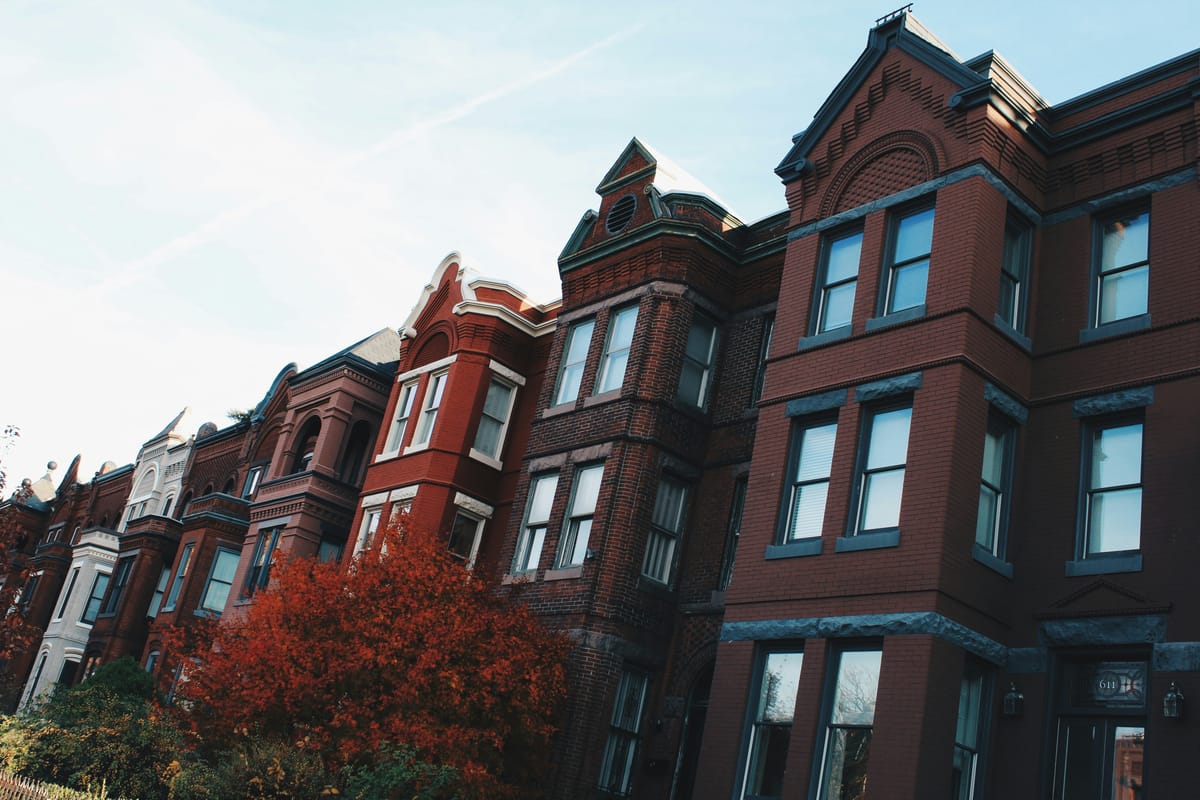
Owning a home in Washington, D.C. comes with quirks that don’t always show up elsewhere: narrow rowhouse lots, shared walls, alley access, older utilities, and neighborhood rules that can feel more specific block by block than citywide. If you’re thinking about selling, the most helpful first step is often not choosing a buyer—it’s getting clear on what you’re actually selling and what a buyer will need to evaluate.
This article is built for everyday homeowners who want a calm, practical way to prepare. You can use the checklist as a quick self-audit before you start making calls, gathering documents, or talking to anyone about next steps. The goal is simple: reduce surprises, avoid unnecessary work, and feel more in control of the conversations that come later.
If you’re comparing ways to sell, you can also review what a direct-sale option typically asks for here: House Buyers of America in Washington, D.C.
What makes Washington, D.C. sales feel different
In Washington, D.C., it’s common to see homes with decades of updates layered on top of each other—some permitted, some not. Many properties also have shared features: party walls, common fences, or a neighbor’s downspout crossing a line you’ve never thought about. Condos and co-ops add a separate layer of association documents and rules.
None of these issues automatically create problems. They simply mean preparation matters. When you can answer basic questions quickly (even if the answer is “I’m not sure”), you set a more realistic tone with any buyer—agent-listed, investor, or otherwise.
The 8-item Washington, D.C. home-sale readiness checklist
Use this as a working list. You don’t have to have every item perfect. The point is to know what exists, what’s missing, and what needs a little more attention.
- Confirm the basics of your property record. Check the spelling of your name, the property address format, and whether the home is listed as a single-family rowhouse, condo, or something else.
- Identify the major systems and their approximate ages. Roof (including any roof deck), HVAC, water heater, electrical panel, and plumbing material.
- Make a note of any past water issues. Basement seepage, sump pumps, downspout problems, grading, or a history of moisture near party walls.
- List renovations and who did them. Kitchen, bath, basement finishing, roof deck builds, solar, window swaps, electrical upgrades—especially if contractors were used.
- Gather condo/co-op materials if relevant. House rules, fees, recent meeting notes, building contact info, and anything you’ve received about upcoming building work.
- Map out occupant status. Owner-occupied, vacant, rented, or occupied by family. Include lease details if tenants are involved.
- Create a quick “access plan.” Where keys are, how to enter if there’s a gate or coded lock, and any parking or alley constraints.
- Write a one-page “what I know” note. Oddities you’ve learned (sticky door in winter, a shared gutter, past insurance claim, or a neighbor easement). Buyers value clarity more than perfection.
How to use the checklist without overdoing it

A common trap is turning preparation into a full renovation project. In many Washington, D.C. neighborhoods, your home will be compared to other homes of a similar age and style. Buyers often expect some quirks.
Try this approach instead:
- Prioritize information, not upgrades. Knowing your roof age is more helpful than buying a new light fixture.
- Focus on safety and access. If a stair rail is loose or the basement can’t be entered, that can derail an evaluation.
- Be honest about unknowns. “Not sure” is acceptable when you also say what you’ve observed.
If you’ve been thinking, “I need to sell my house fast,” pause and translate that into a practical goal: reduce friction. This checklist helps you do that without rushing into decisions.
Local examples of what buyers tend to ask about
Even when buyers don’t ask for a long document packet, their questions often cluster around the same themes in Washington, D.C.
Rowhouses and older detached homes Party wall moisture, roof and gutter condition, basement history, and whether updates were done with permits (or at least by licensed contractors).
Condos and co-ops Association rules, building maintenance patterns, how the building handles repairs, and what documents are available.
Homes with tenants or long-term occupants Lease terms, communication history, condition notes, and what access looks like for walkthroughs.
By using your checklist to prepare short, factual answers, you keep the conversation grounded.
A calm way to start conversations with buyers
Once your list is mostly done, draft two short summaries you can reuse:
- A “property snapshot” (type of home, key updates, current occupancy).
- A “known issues” summary (moisture history, older systems, anything you’ve observed).
This keeps you from repeating yourself and helps you spot when a buyer is listening carefully versus pushing you into a script. In Washington, D.C., the best outcomes often come from steady communication and realistic expectations.
If you’re exploring direct buyers, you may hear phrases like “cash home buyers” or “we buy houses” in Washington, D.C. Treat those as categories, not guarantees. Your checklist helps you compare options based on what they actually need from you and how clearly they explain their process.