Artificial Turf: 12 Checks Before You Commit


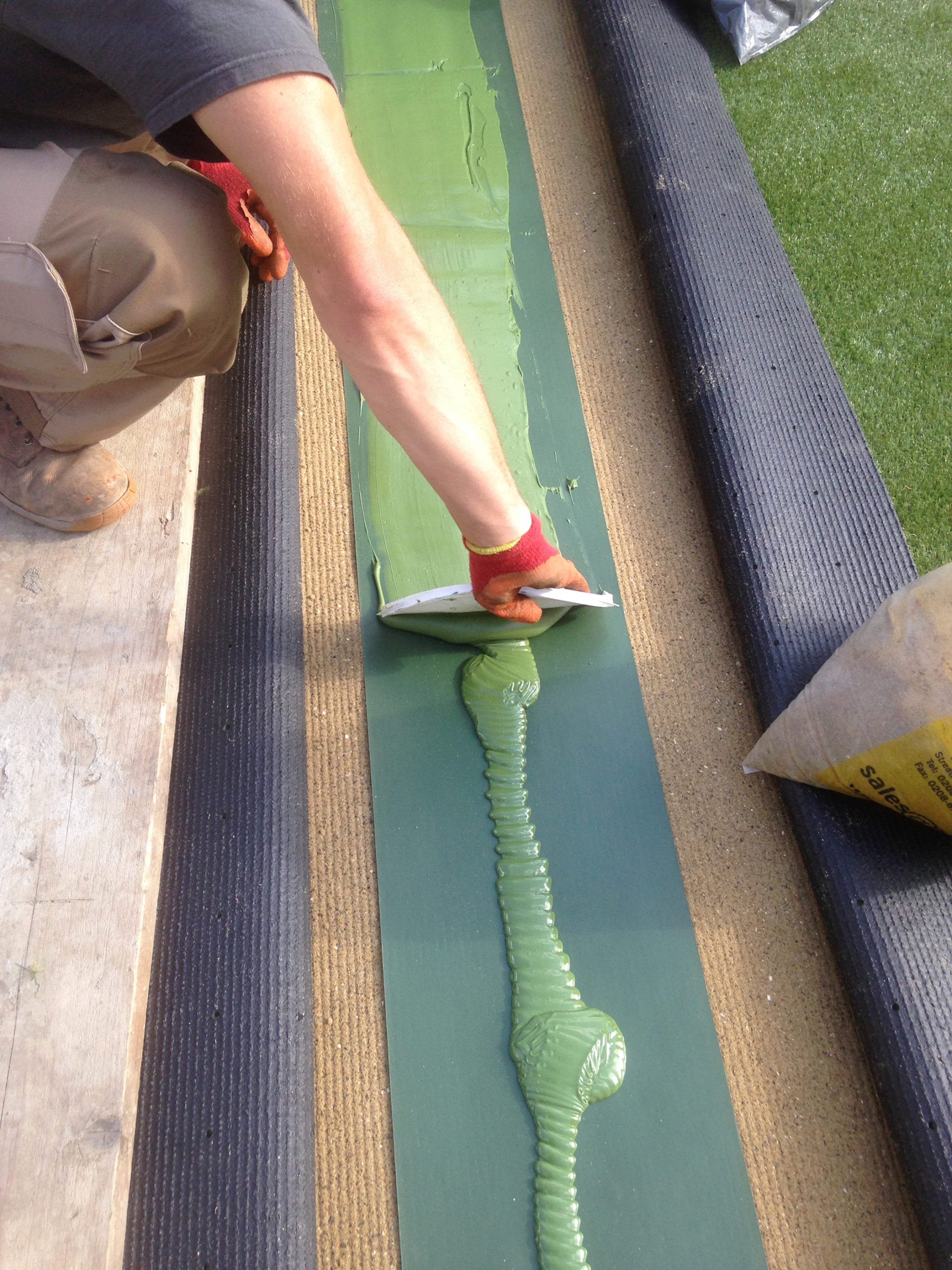
Artificial turf looks easy. Remove old grass, roll out new turf, and the yard stays green. The real outcome depends on base prep, drainage, seams, and how you plan to use the space.
In the San Francisco Bay Area, rainfall arrives in bursts, and many yards sit on slopes. Coastal fog keeps surfaces damp longer, while inland sun heats surfaces fast. Those factors change how turf performs day to day.
Use these checks to plan the project and compare bids.
Start with your reason
Write down why you want turf:
• Reduce weekly mowing and watering work
• Create a clean play area for kids
• Create a pet-friendly run
• Reduce mud tracking during rainy months
• Improve use of a small yard that gets worn down
Your reason affects infill choice, drainage planning, and edge details.
Map drainage after rain
Turf does not fix poor drainage. It covers it.
After a storm, note:
• Where water pools
• Where runoff enters from neighbors or a slope
• Where downspouts discharge
• Where soil erodes
If water moves toward the house, fix drainage first.
Confirm slope and stability
On hillsides, base movement shows up as wrinkles and seam stress.
Ask each bidder:
• How they stabilize soil on slopes
• What edging method they use to prevent creep
• How they manage runoff so water does not cut channels
Ask for base depth and compaction steps
Base quality drives the result. Ask for specifics:
• Base material type
• Planned depth
• Compaction method and equipment
• How they handle soft spots
If the bid does not list base depth, push for it.
Decide on permeability needs
Some turf systems drain through the backing. Some rely on slope. If your yard sits flat or holds water, permeability matters more.
Ask:
• How water exits the turf system
• Where that water goes afterward
• Whether the base includes a drainage layer
Plan edging details early
Edges fail when they are vague. Edges separate turf from beds, paths, and fences.
Ask what edge method fits each boundary:
• Against concrete
• Against a fence line
• Against planting beds
• At steps and thresholds
A clean edge is part looks, part safety.
Ask about seams and layout
Seams are normal. A good layout hides them and keeps them stable.
Ask:
• Where seams will land
• What seam method they use
• How they avoid visible seam lines in high-traffic zones
If the yard is small, seam placement still matters because foot traffic often concentrates in one path.
Match turf face and pile height to use
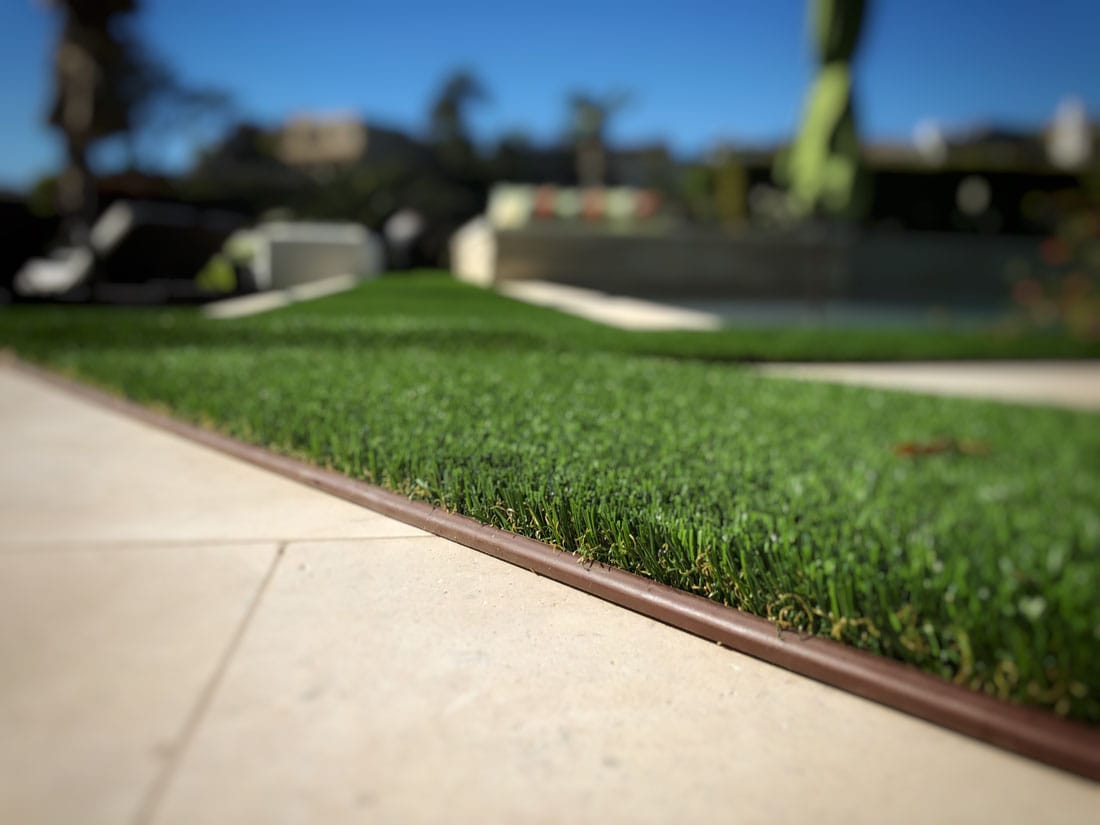
A soft, tall pile feels plush yet may show footprints and flatten in high-traffic paths. A shorter pile often feels firmer and suits heavy use.
Think about:
• Kids running and falling
• Dogs digging and turning
• Furniture legs and sliding chairs
Choose for function first, then appearance.
Choose infill with comfort and maintenance in mind
Infill affects feel, odor control, and heat.
Ask:
• What infill they propose and why
• How it affects pet odors and cleaning routines
• How it affects heat on sunny days in places like San Jose and Walnut Creek
Plan your cleaning routine now. If you will not rinse or brush the turf, choose materials that tolerate lower maintenance.
Confirm weed control approach
Weeds often appear at edges and seams, not through the turf face.
Ask:
• What weed barrier approach they use, if any
• How they treat edges near soil
• What maintenance you should expect for weed control
Avoid promises of “no weeds.” Ask for realistic expectations and owner steps.
Compare providers with a neutral reference
As a research reference while comparing providers, review Top Rated Artificial Turf Contractors for San Francisco Bay Area, CA and use it to build a shortlist, then compare written scopes line by line.
Set an inspection plan for day one and day last
Day one checks
• Demo limits match the plan
• Base material looks consistent
• Compaction occurs in layers, not one pass over deep fill
• Drainage paths are clear and intentional
Final day checks
• Turf lies flat with no ripples
• Seams look tight and aligned
• Edges feel secure underfoot
• Water moves off the surface during a hose test
• Gates and doors still open cleanly without turf interference
Bay Area notes that change decisions
Older homes and mixed hardscape
Many yards have old concrete pads, patched walkways, and uneven edges. Turf must tie into those surfaces cleanly. Plan transitions early.
Microclimates
Coastal zones stay damp longer. That affects drying after rinsing. Inland heat raises surface temperature. Shade planning and material choice matter.
Permitting and drainage rules
If the project changes drainage paths, some cities treat it as a permitting issue. Ask early if your scope changes runoff direction.
Owner maintenance, keep it simple
• Rinse pet areas on a schedule that fits use
• Remove leaves so they do not form a damp mat
• Brush high-traffic areas so fibers stand up
• Check edges and seams during seasonal yard walkthroughs
Artificial turf works when you treat it as a drainage and base project, not a roll-out project. Clear scope, clear edges, and a simple inspection plan protect your budget and your yard’s usability.