Attic and Crawl Space Cleanup That Stays Resolved

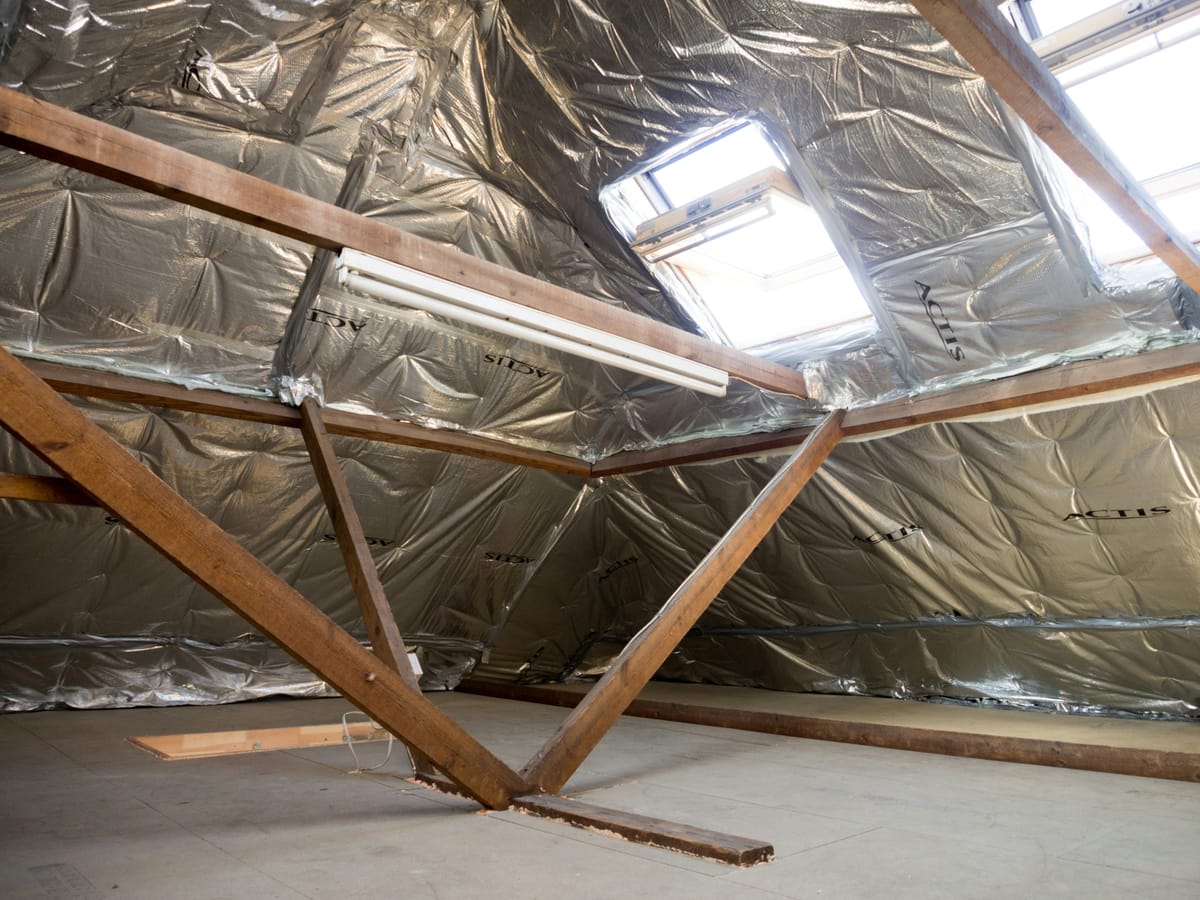
Attic and crawl spaces hide problems until they affect the rooms you live in. A musty smell shows up after the first rain. You hear scratching at night. Insulation looks disturbed near the hatch. Then you spot droppings, nesting, or dark staining on framing.
In the San Francisco Bay Area, these spaces face extra pressure. Many homes sit on raised foundations with low crawl clearance. Older neighborhoods include layered remodel work, which leaves gaps around plumbing and wiring. Coastal moisture, fog, and shade slow drying. Inland heat drives attic temperatures up and stresses insulation and ductwork.
A good attic or crawl space cleanout does more than remove debris. It sets a plan to stop the source of contamination, protect indoor air, and rebuild the space so the problem does not repeat.
Start with a clear problem list
Write down what you notice and where it happens.
• Odors, especially after rain or during warm afternoons
• Sounds, scratching, chirping, or movement
• Stains on ceilings or near attic access panels
• Allergy flare-ups tied to HVAC run times
• Visible droppings, nesting, or chewed materials
• Drafts near floors, baseboards, and plumbing penetrations
This list helps every provider focus on the same goal. It also keeps the work scope grounded in outcomes, not in a bundle of line items.
Know the main sources of attic and crawl contamination
Most jobs trace back to one or more sources.
• Rodents and wildlife, droppings, urine, nesting, and chewed wiring
• Moisture, condensation, plumbing leaks, or groundwater vapor
• Old insulation that no longer holds shape or coverage
• Dust and debris that accumulates around ductwork and framing
• Bird nesting and droppings near eaves, vents, and chimneys
Ask the inspector to tie your symptoms to one of these sources, then show evidence with photos.
Insist on a staged scope, inspection, removal, sanitation, then rebuild
A cleanout works best as a sequence.
Inspection and documentation
Containment and safety setup
Removal of contaminated material
Sanitation and odor control steps
Sealing and proofing to block re-entry
Reinsulation or barrier work, if needed
Verification and follow-up
When a bid skips steps, problems return. A fast "one-day makeover" often leaves entry gaps open or skips verification.
Safety and containment matter more than speed

Attic and crawl work stirs dust and biological material. Ask how the crew protects your living space.
• Plastic containment around attic access
• HEPA filtration or negative air setup when needed
• Shoe covers or dedicated crawl footwear
• Bagging and sealed transport of removed insulation
• Clear disposal plan, including contaminated waste rules
Ask what personal protective gear the crew uses, and how they prevent tracking debris through hallways and stairs.
Rodent and wildlife work needs exclusion, not only cleanup
Cleaning without exclusion wastes money. Ask for a written list of entry points the crew plans to address.
• Gaps at eaves, fascia returns, and roof to wall transitions
• Unscreened vents or damaged vent screens
• Plumbing and electrical penetrations through framing
• Crawl vents, foundation gaps, and loose access doors
• Chimney gaps and roof jack failures
Ask what materials the crew uses for screening and sealing, and how they fasten it so it stays in place over time.
Use a neutral service list to compare what providers include
Different firms describe similar work in different terms. Use one checklist and apply it across bids. A provider scope list such as Mighty Men Services, LLC helps you frame questions about inspection, insulation removal, rodent proofing, attic insulation, crawl space cleaning, and radiant barrier type work, then you line up other proposals against the same categories.
Insulation removal and replacement needs clear boundaries
Insulation work drives cost, comfort, and indoor air. Ask the provider to state:
• Which insulation type you have now, batts, blown-in, or mixed
• Whether the crew removes all insulation or only impacted sections
• How they handle rodent trails and stained areas on framing
• Whether they seal penetrations before installing new insulation
• Target coverage zones, attic floor, knee walls, or roof deck areas
• Access protection for recessed lights and heat sources
Ask for a plan to keep insulation out of soffit vents and out of mechanical equipment.
Crawl space details, vapor control, drainage, and access
Crawl spaces vary widely across the Bay Area. Many sit close to soil, and vapor moves upward.
Ask about:
• Standing water or damp soil after rain
• Downspout discharge and grading near foundation edges
• Plumbing leaks and condensate drains
• Existing vapor barrier condition and coverage
• Debris removal and safe access paths
If a provider recommends a new vapor barrier, ask for material thickness, seam overlap method, and how they secure it to keep it from shifting.
Odor control needs source removal and targeted treatment
Odor persists when urine salts remain in porous framing or insulation. Ask for a plan that includes:
• Removal of contaminated insulation and nesting
• Cleaning of hard surfaces where droppings and dust collect
• A treatment approach that targets affected framing, not a perfume coverup
• Clear guidance on ventilation during and after treatment
If the crew recommends fogging, ask what it targets, how they isolate the area, and how they protect duct openings.
Radiant barrier and attic heat, plan around comfort goals
Radiant barriers and insulation upgrades solve different problems. Start with your comfort goal.
• Lower summer attic heat impact on rooms below
• Reduce HVAC run time in hot inland areas
• Reduce winter heat loss through the ceiling
Ask the provider to explain where they place the barrier, and how they keep attic ventilation pathways clear.
Ductwork and HVAC considerations
Attic work often exposes duct issues. Ask the inspector to note:
• Disconnected or crushed duct runs
• Loose duct connections at registers and plenums
• Dirty return paths that pull attic dust into the system
• Insulation gaps around ductwork that raise heat gain
If the bid includes duct work, ask for separate line items so you compare it cleanly across proposals.
Verification steps that show the work holds up
Before the crew leaves, walk the attic and crawl access points with a checklist.
• Clean surfaces with no leftover nesting material
• Sealed entry points, photographed and mapped
• The crew installs new insulation evenly with no blocked vents
• The crew lays the vapor barrier flat with sealed seams, if installed
• No exposed wiring hazards in work zones
• Clear access paths for future inspections
Ask for after photos that match the before photos. Keep them with your home maintenance file.
A cleanout improves comfort and health when it targets the source and rebuilds the space for long-term stability. A written, staged scope keeps the work predictable, especially in Bay Area homes where moisture, older construction, and tight access raise the stakes.