Automotive Window Tinting: Benefits and Practical Insights

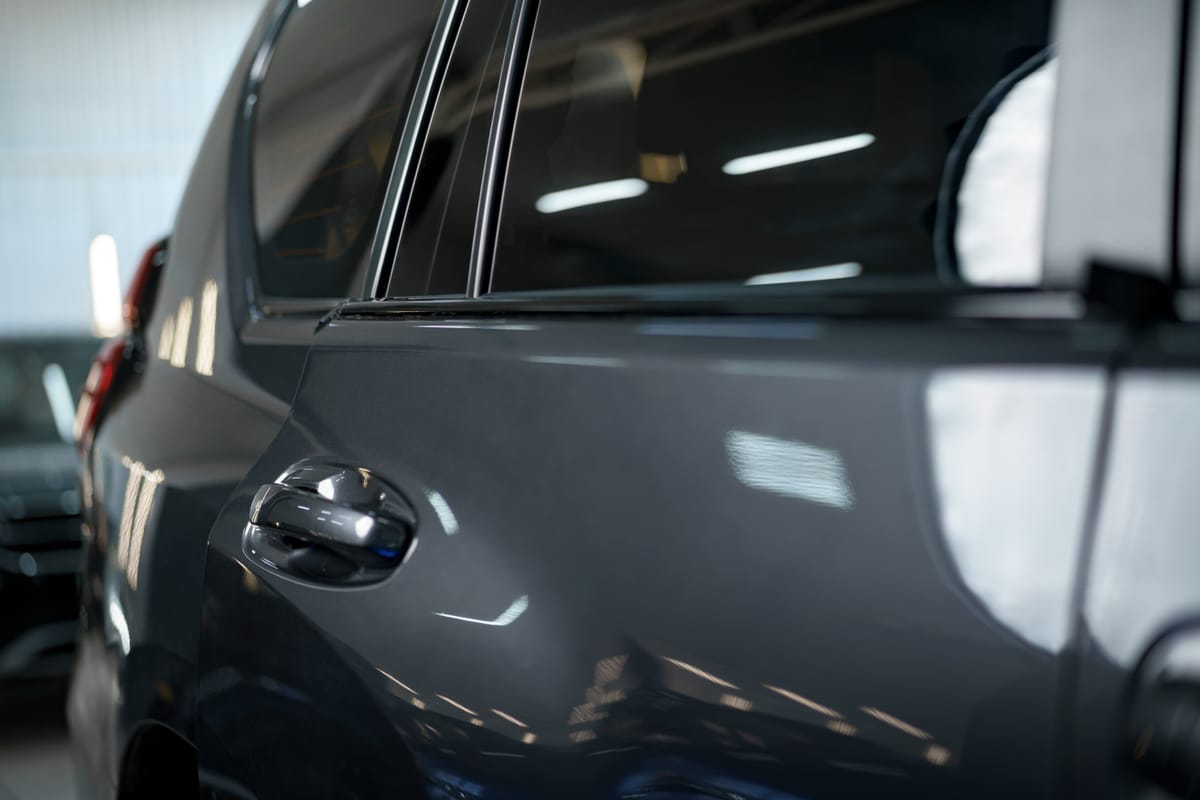
Driving around Boston means dealing with everything from bright summer sun to cold winter glare bouncing off snow. Automotive window tinting is one of those upgrades that makes everyday driving more comfortable, safer, and more stylish. It’s not just about looks — it’s about reducing heat, protecting interiors, and giving drivers peace of mind.
Why Drivers Choose Tinting
Tinting solves problems that almost every Boston driver faces:
- Heat buildup in summer traffic.
- Glare from sunlight or headlights at night.
- Fading interiors from UV exposure.
- Privacy concerns when parked in busy areas.
By applying a thin film to your car windows, you can cut down on these issues while keeping visibility clear.
Benefits in Detail
1. Comfort and Heat Reduction
Boston summers can be humid and hot. Tinting reduces infrared rays, keeping the cabin cooler and easing the strain on your AC system.
2. UV Protection
UV rays damage skin and fade interiors. Quality films block up to 99% of UV radiation, protecting both passengers and materials.
3. Privacy and Security
Tinting makes it harder for outsiders to see inside your car. This discourages theft and adds peace of mind when valuables are left behind.
4. Safety During Accidents
Some films are designed to hold glass together if it shatters, reducing the risk of injury from flying shards.
5. Style and Appearance
Tinting gives cars a sleek, finished look. It’s a subtle upgrade that makes vehicles stand out without being flashy.
Problems Drivers Report Without Tinting
- Interiors heating up quickly in summer.
- Dashboards and seats fading or cracking.
- Eye strain from glare during long drives.
- Feeling exposed when parked downtown.
Legal Considerations in Massachusetts
Every state regulates tint darkness. In Massachusetts, laws specify how much light must pass through front, side, and rear windows. Drivers should confirm compliance before installation to avoid fines.
Choosing the Right Film
Dyed Films: Affordable, reduce glare, but fade faster.
Metallic Films: Reflect heat well but may interfere with electronics.
Ceramic Films: Advanced technology, block heat and UV rays without affecting visibility.
Security Films: Thicker, designed to strengthen glass.
Checks Before Choosing a Provider
- Legal Compliance: Confirm films meet Massachusetts tint laws.
- Film Quality: Ask about UV rejection and infrared blocking percentages.
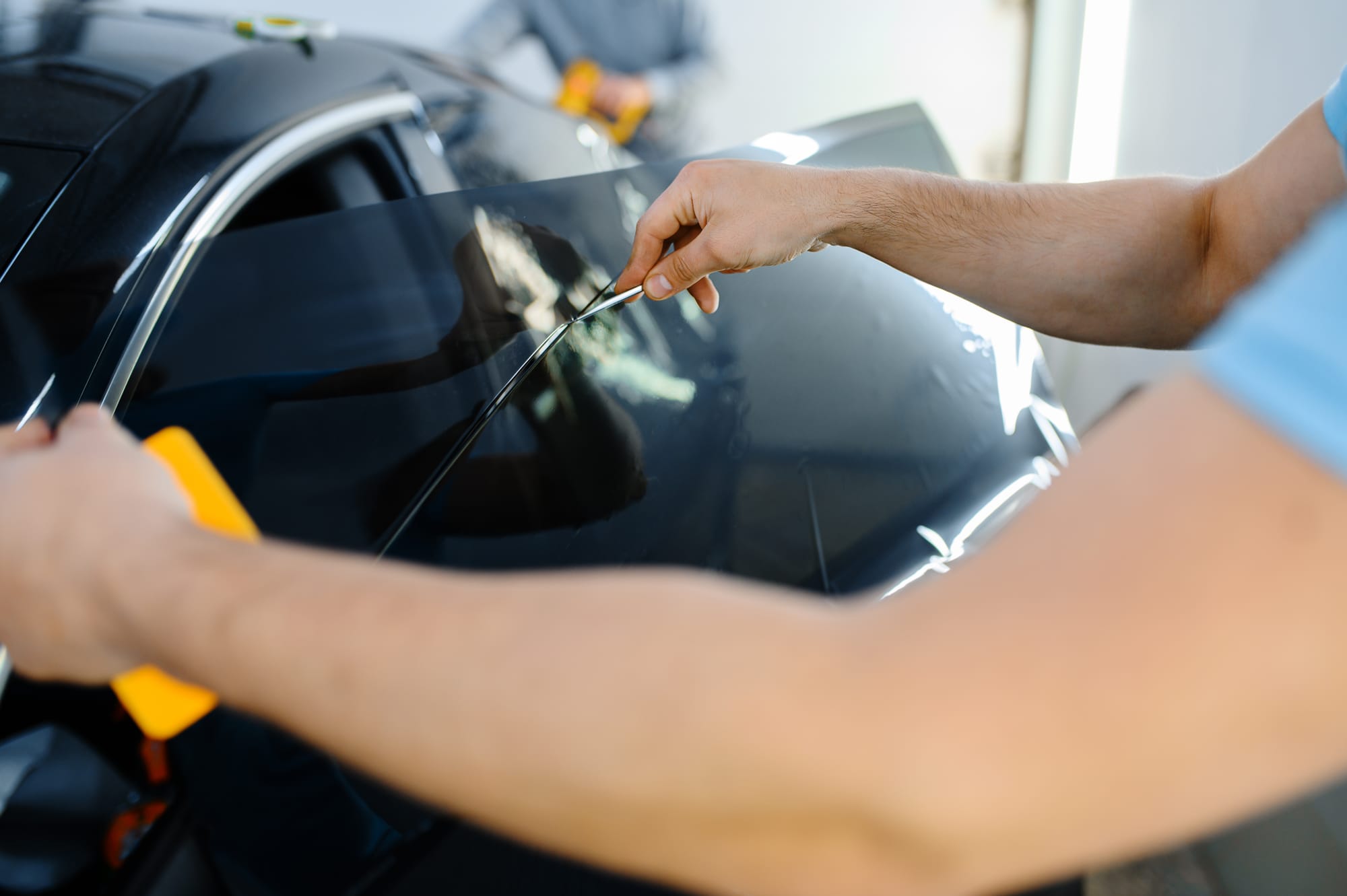
- Installation Method: Proper sealing prevents bubbles and peeling.
- Warranty: Look for coverage against fading, peeling, or discoloration.
Steps for Car Owners
- Sit in your car during midday sun to notice glare and heat.
- Ask providers for film samples to compare clarity.
- Confirm visibility at night.
- Check reviews for mentions of installation quality.
Maintenance Tips
- Clean tinted windows with microfiber cloths.
- Avoid ammonia-based cleaners.
- Inspect edges periodically for peeling.
Long-Term Value
Tinting isn’t just about comfort today. It preserves your car’s interior, reduces wear on electronics, and helps maintain resale value. Buyers appreciate vehicles with well-kept interiors and compliant tinting.
Lifestyle Considerations for Boston Drivers
- Urban Parking: Privacy tinting discourages theft in busy areas.
- Commuting: Reduced glare makes long drives safer.
- Winter Driving: Tinting helps manage glare from snow and headlights.
- Family Cars: UV protection keeps children safer during long trips.
Comparing Providers
When researching tinting shops in Boston, look for:
- Clear explanations of film types.
- Compliance with state laws.
- Reviews mentioning comfort, clarity, and durability.
- Warranties that back up performance claims.
Expanded Insights (to reach full depth)
Resale Impact
A car with tinted windows often looks newer and more cared for. Buyers notice preserved interiors and appreciate the added comfort.
Energy Efficiency
Reducing cabin heat means less reliance on AC, which can improve fuel efficiency slightly over time.
Technology Compatibility
Ceramic films don’t interfere with GPS, mobile phones, or keyless entry systems — a key advantage over metallic films.
Customization Options
Tinting isn’t one-size-fits-all. Drivers can choose shades that balance privacy with visibility. Some prefer lighter tints for clarity, others darker for privacy.
Safety in Emergencies
Security films add strength to windows, making them harder to shatter. This can slow down break-ins and reduce injury risks during accidents.
Practical Scenarios
Daily Commute
Imagine driving down I‑93 during rush hour in July. Without tinting, the sun beats down, your AC struggles, and glare makes it hard to see. With tinting, the cabin stays cooler, glare is reduced, and the drive feels less stressful.
Family Road Trips
Kids in the back seat are exposed to UV rays during long drives. Tinting protects their skin and keeps the cabin more comfortable.
Parking in Downtown Boston
Leaving valuables in plain sight is risky. Privacy tinting makes it harder for passersby to see inside, reducing theft temptation.
Conclusion
Automotive window tinting in Boston is more than a style choice. It’s a practical upgrade that improves comfort, safety, and long-term value. By reducing heat, blocking UV rays, adding privacy, and protecting interiors, tinting makes everyday driving easier and more enjoyable.
With careful checks, proper installation, and regular maintenance, tinting becomes a long-term solution for Boston drivers who want both comfort and peace of mind.