Bay Area Pressure Washing: Clean Surfaces Without Damage

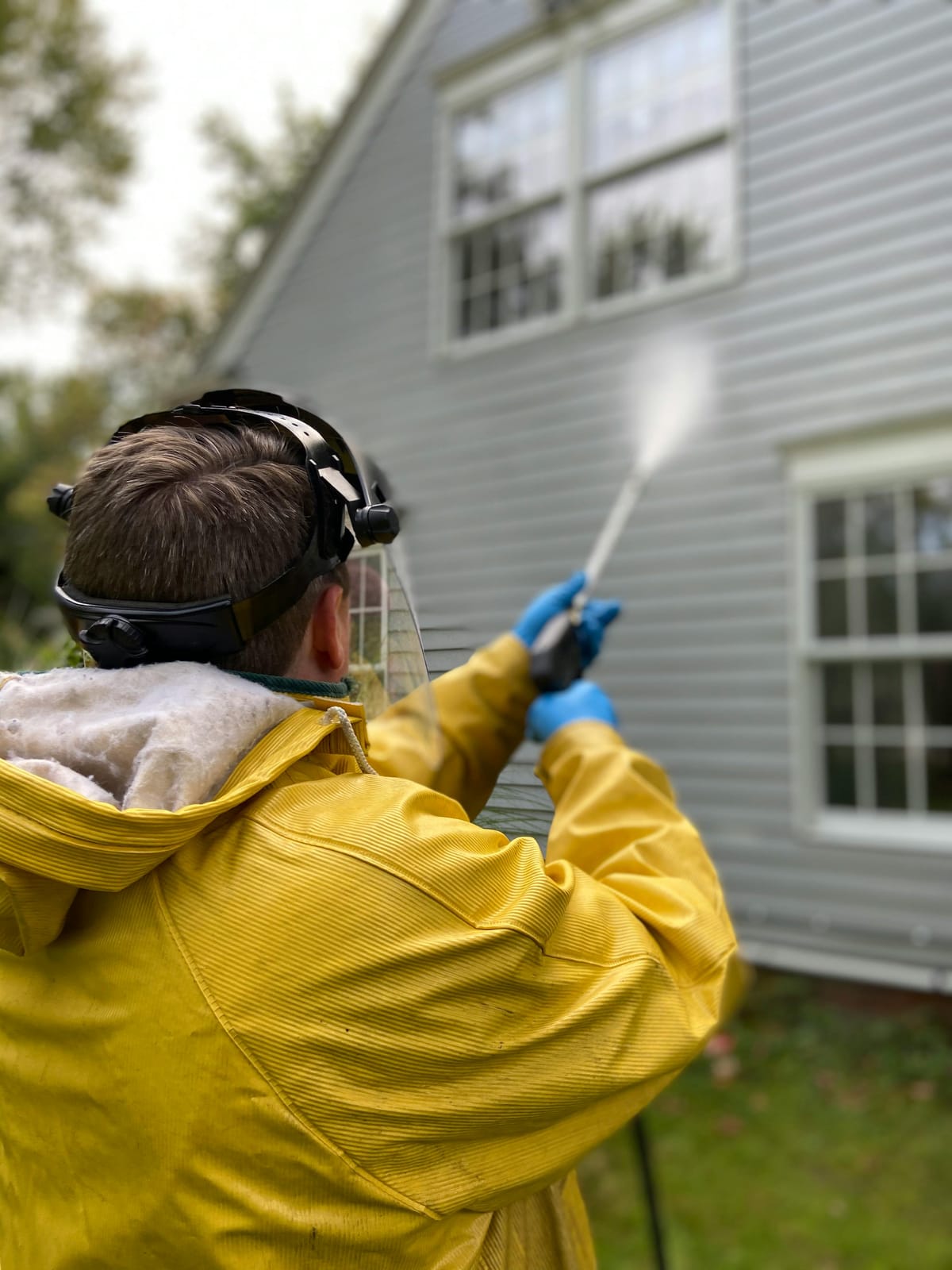
Dirty siding and dark concrete look like simple grime. In the Bay Area, that grime often includes mildew, algae, traffic film, and fine soot that clings to damp shade lines. The wrong washing approach strips paint, etches concrete, and forces repairs. A careful approach keeps surfaces clean and intact.
Why Bay Area homes get dirty fast
Moisture patterns drive buildup. Fog and shade keep surfaces wet longer along the coast. Hills create north-facing walls that never dry in winter. Older neighborhoods add porous materials that hold stains. Trees drop tannins, sap, and leaf debris that feed algae. You see it on driveways in Oakland hills, fences in San Rafael, and stucco in parts of San Jose where irrigation hits walls.
Start with the surface inventory
Walk the exterior and list materials. Pressure settings and detergents must match the material.
Common surfaces
• Painted wood siding
• Stucco
• Brick or stone veneer
• Composite decking
• Redwood fences
• Concrete flatwork, including driveways and patios
• Pavers and joint sand
• Roof edges, soffits, and gutters
Write down areas with peeling paint, loose caulk, or soft wood. Washing will expose weak spots.
Know the main cleaning methods
A good provider chooses the method that fits the surface.
Rinse and low-pressure wash
Works well for many siding types when paired with the right cleaner and dwell time. Lower pressure protects paint and seals.
Surface cleaning attachments for flatwork
Rotary surface cleaners reduce streaks and limit etching on concrete when used correctly.
Spot treatment
Targets rust, tannins, or oil spots with a product made for that stain type. It needs careful rinse control to protect landscaping.
Hand work for fragile areas
Old trim, cracked stucco, and loose mortar joints often need gentler work.
If a bidder talks only about high pressure, keep searching.
A homeowner checklist before you book
Do these steps before you request quotes.
Identify water sources and drainage
Find hose bibs. Check where water will run. Note storm drains and low points. Wastewater rules vary by city, so ask how runoff will get controlled.
Protect what you want to keep clean
Move patio furniture. Cover grills and outlets. Close windows. Secure loose items.
Trim back plants touching the house
Plants hold moisture against walls. They also trap cleaner residue. Clear a gap where possible.
Photograph existing wear
Take close photos of peeling paint, hairline stucco cracks, and worn deck boards. This helps avoid blame after work.
Comparing providers as research, not sales
A neutral way to compare providers is to review how they describe methods, runoff control, and surface protection. A directory page like Bay Area Pressure Washing gives you a pool of options to evaluate using the same criteria.
Ask for a written plan that includes these items
• Surfaces included and excluded
• Cleaning method by surface type
• Products used, described by purpose, not hype
• Runoff control approach
• Plant and landscaping protection steps
• Paint risk notes, especially on older coatings
• Any areas they will not wash due to condition
If someone refuses to put the plan in writing, move on.
Questions that prevent damage
Ask these questions during the site visit.
• What pressure range do you expect for siding, and why
• How do you test a small area before full washing
• How do you avoid forcing water behind siding and trim
• How will you handle old caulk lines and cracked stucco
• What steps protect window seals and door thresholds
• How will you prevent stripes on concrete
• What steps protect paver joint sand
• How will you handle overspray near neighbors and parked cars
Look for calm, specific answers.
Common Bay Area trouble spots
Shaded concrete
Algae creates slick patches. Pressure alone often leaves roots in the pores. Ask about a cleaner and dwell time, then a controlled rinse. Ask about traction after cleaning, especially on steps.
Stucco with hairline cracks
Water forced into cracks leads to interior staining. A low-pressure method fits better. Ask how they avoid driving water into the wall.
Older wood fences
A high-pressure tip shreds wood fibers and raises grain. That leads to rapid graying and splinters. Ask about lower pressure and brushing.
Decking near planter boxes
Planter runoff stains decking. Ask about spot treatment and a rinse plan that keeps soil and debris from splashing back.
Flatwork oil stains
Oil stains do not vanish from a single pass. Ask what level of improvement they expect, and what steps they avoid to prevent etching.
Aftercare that keeps surfaces cleaner longer
Cleaning helps most when paired with simple upkeep.
Concrete and pavers
• Sweep monthly in fall and winter
• Rinse after storms that drop debris
• Address gutter overflow that stains edges
Siding
• Fix leaking hose bibs and irrigation overspray
• Keep mulch and soil below siding lines
• Trim plants to keep airflow
Decks and fences
• Rinse pollen buildup in spring
• Keep planters on trays
• Address sprinklers that hit wood daily
A simple seasonal schedule
Spring
Focus on pollen film, deck rinse, and patio prep.
Late summer
Address mildew after fog season in coastal zones. Check shaded walls.
Early fall
Clean gutters and rinse splash zones before winter storms.
Winter
Skip washing during active rain cycles. Wet surfaces stay wet, and runoff control gets harder.
Pressure washing is about control. Method, runoff planning, surface testing, and written scope protect your home. In the Bay Area, shade and moisture reward a low-pressure, surface-specific approach.