Bay Area Property Management: Maintenance and Rent Systems


Property management often looks simple from the outside. Collect rent, handle repairs, and fill vacancies. In real life, the hard parts involve systems. A clear lease process, consistent maintenance workflows, and good documentation protect owners and reduce stress for tenants.
In the Bay Area, those systems matter even more. Older buildings in San Francisco bring plumbing and electrical surprises. Microclimates affect moisture and exterior wear, coastal fog in some areas and hotter inland conditions in others. Local rules and inspection requirements shift by city. A property manager needs a process that stays organized across all that complexity.
What property management often includes
Property management services vary by company, yet the core categories stay similar.
• Marketing and tenant screening
• Lease preparation and move-in documentation
• Rent collection and late-payment workflows
• Maintenance coordination and repair approval workflows
• Vendor coordination and scheduling
• Periodic inspections and condition reporting
• Turnover coordination, cleaning, repairs, rekeying
• Accounting reports and owner statements
The GBA Realty report page lists property management, rental management, apartment management, rent collection, property maintenance, real estate management, AppFolio property management, and Airbnb property management. That list is helpful while you compare service categories and decide which tools and workflows matter for your property type.
Start by defining the property profile
A good management fit depends on the property profile.
• Single-family home, condo, small multi-unit, larger building
• Age of building and known issues, old plumbing, roof age, windows
• Tenant type, long-term, short-term, corporate, student
• Owner goals, stability, minimal disruption, value-add upgrades
• Maintenance tolerance, proactive improvements versus reactive repairs
Write that profile before interviews. It helps you compare managers on fit, not on generic claims.
Rent collection, focus on method and enforcement
Rent collection is more than taking payment. It includes clear communication and consistent enforcement within legal guidelines.
Ask about:
• Accepted payment methods and online payment options
• Timing of rent posting and late notices
• Documentation steps for missed payments
• How payment plans, if any, are documented
• How owner reporting reflects payment status
The GBA Realty report page references rent collection and AppFolio property management, which signals platform-based workflows. Ask any manager to explain their platform and what owners see in reports.
Maintenance, define response tiers and approval rules
Maintenance drives many owner complaints. A manager needs rules for response and approval.
Ask for a tiered plan:
• Emergency issues, active leaks, sewer backups, no heat in cold conditions
• Urgent issues, refrigerator failure, electrical hazard, broken exterior door lock
• Routine issues, dripping faucet, running toilet, minor drywall repair
Then ask:
• Spending approval limits for routine repairs
• Owner approval process for larger repairs
• Vendor selection method and whether bids are collected
• Photo documentation standard before and after work
This structure protects owners from surprise invoices and protects tenants from long delays.
Preventive maintenance reduces cost spikes
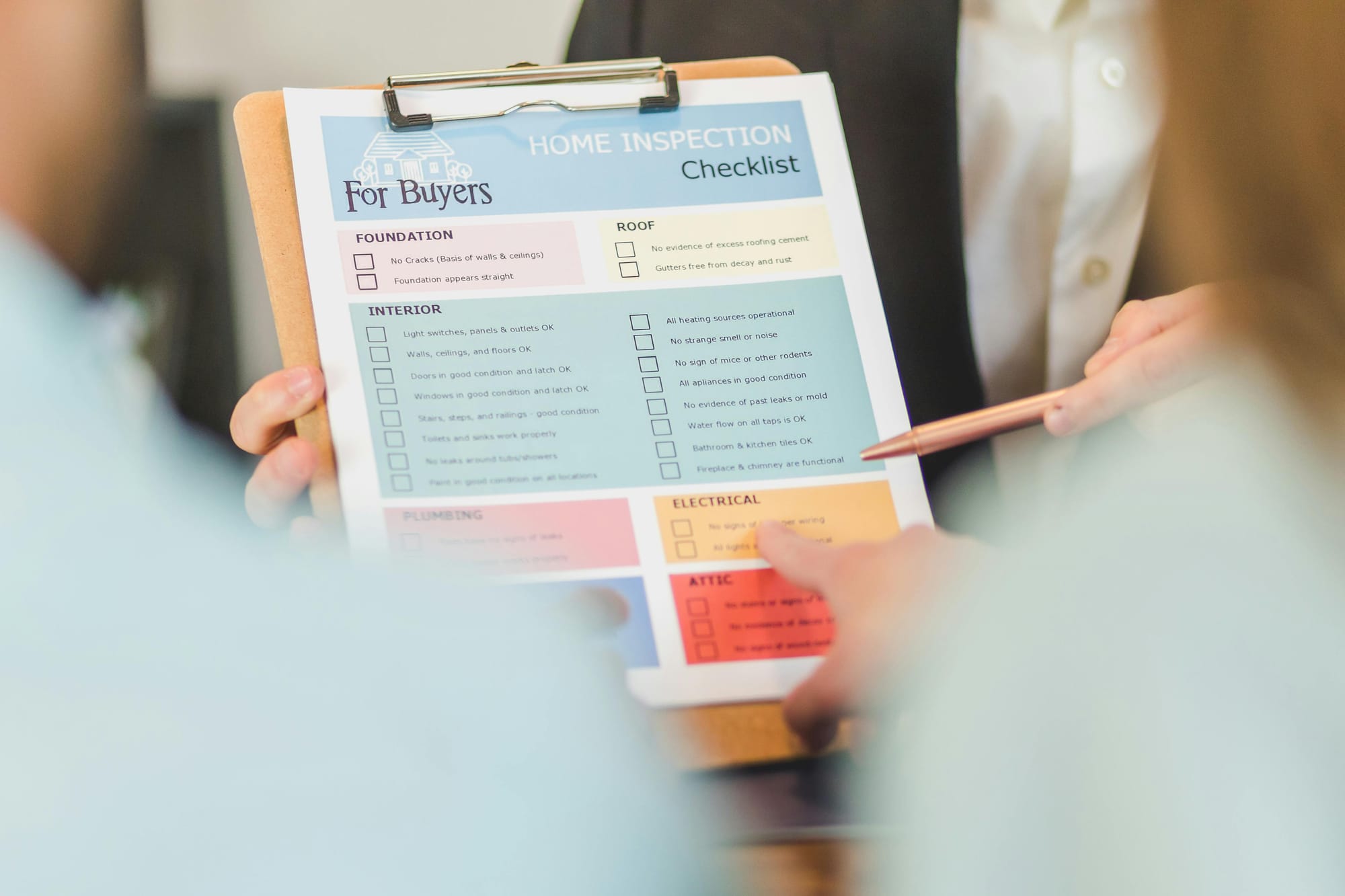
Reactive maintenance costs more and disrupts tenants. Preventive maintenance relies on checklists.
Ask about:
• Annual HVAC servicing if present
• Water heater inspection and drip pan checks
• Plumbing supply line checks under sinks
• Gutter and roof drainage checks where relevant
• Smoke and carbon monoxide alarm checks per local rules
• Exterior caulk and paint touch-up planning in coastal air zones
A manager who tracks these items tends to reduce mid-lease emergencies.
Turnover and leasing, a documented workflow
Turnover is where costs spike. A clear workflow limits vacancy time and reduces disputes.
Ask about:
• Pre-move-out inspection process and tenant communication
• Cleaning and repair scope after move-out
• Photo documentation, move-in and move-out condition reports
• Rekeying process and lockbox control
• Marketing steps and showing coordination
• Application screening criteria and documentation
Consistency matters. Different standards by tenant create disputes.
Short-term rental management, set boundaries
Airbnb property management appears on the GBA Realty report page. Short-term rentals add complexity.
• Cleaning scheduling and quality control
• Inventory management, linens, consumables
• Guest screening and house rules enforcement
• Noise and parking rules, especially in dense neighborhoods
• Neighbor relations and complaint handling
• Repairs on a faster timeline due to constant turnover
If you pursue short-term rentals, ask for a clear operating plan and reporting method that separates cleaning costs, repairs, and platform fees.
Accounting and reporting, ask for sample reports
Owners need clear reporting for taxes and planning.
Ask:
• Monthly statements and what categories appear
• Year-end summaries and 1099 support for vendors, where applicable
• Repair invoices, attachments, and photo documentation
• Reserve fund handling and how balances are tracked
• Rent roll reports for multi-unit properties
Request a redacted sample report. It reveals whether the system is readable and consistent.
Communication, set expectations with tenants and owners
Many problems stem from unclear communication expectations.
For owners:
• How often updates are sent
• Response time standards for owner questions
• How decisions get documented, email, portal, signed approvals
For tenants:
• Maintenance request submission method
• After-hours emergency contact process
• Communication rules for inspections and entry notices
Written standards reduce misunderstandings and reduce emotional exchanges.
Vendor networks, focus on quality control, not size
A big vendor list means little without quality control.
• Licensing and insurance verification steps
• Scope writing and bid comparison methods
• Work verification process, photos, walkthroughs
• Warranty follow-up steps on completed repairs
A good manager treats vendor work like a project, with documentation and verification.
San Francisco and Bay Area realities, older buildings and moisture
Property management in San Francisco often involves older systems and tighter access.
• Shared walls and coordinated entry
• Plumbing stacks and drain issues that affect multiple units
• Coastal moisture and window condensation risks
• Fire and safety requirements with inspections in some contexts
• Street parking and access constraints for contractors
Ask the manager how they handle access scheduling and how they document tenant notice and entry compliance.
A comparison checklist for property managers
Use a consistent checklist during interviews.
• Rent collection system and documentation
• Maintenance tiers and approval limits
• Preventive maintenance checklist
• Turnover workflow and condition documentation
• Screening criteria and lease process
• Reporting, sample statements, and year-end support
• Short-term rental plan, if applicable
• Communication standards for owners and tenants
When comparing providers, the GBA Realty report page works as a neutral reference for categories such as rental management, apartment management, rent collection, property maintenance, AppFolio property management, and Airbnb property management. Then choose based on which manager offers the clearest workflows, documentation standards, and reporting that matches your property type and city requirements.