Beer Tap Systems for High-Volume Venues: What Actually Matters

You face packed service windows, demanding guests, and finite labor. Every pour must stay fast, clean, and consistent. Equipment choices decide pace, flavor, waste, and stress. A reliable beer tap system gives managers stable flow, accurate billing, and simple controls. Weak choices invite foam, downtime, and disputes. This guide breaks down practical decisions for venues with heavy traffic, from line balance to staffing, so you shape service around speed and trust.
What a Beer Tap System Must Deliver in High-Volume Service
A beer tap system for busy rooms must serve four goals: speed, consistency, accuracy, and uptime. Speed moves lines. Consistency protects flavor. Accuracy secures margin. Uptime protects revenue during peak.
- Speed: short pour times and parallel access across taps.
- Consistency: stable temperature, correct gas, predictable head.
- Accuracy: ounce tracking and clean handoffs between hardware and software.
- Uptime: parts on site, quick swaps, and real support paths.
Throughput and Queue Management With a Beer Tap System
You win when guests pour or receive a drink without delays. Layout, flow rate, and process design decide how quickly each group moves.
Shorten Pour Time Without Sacrificing Head Retention
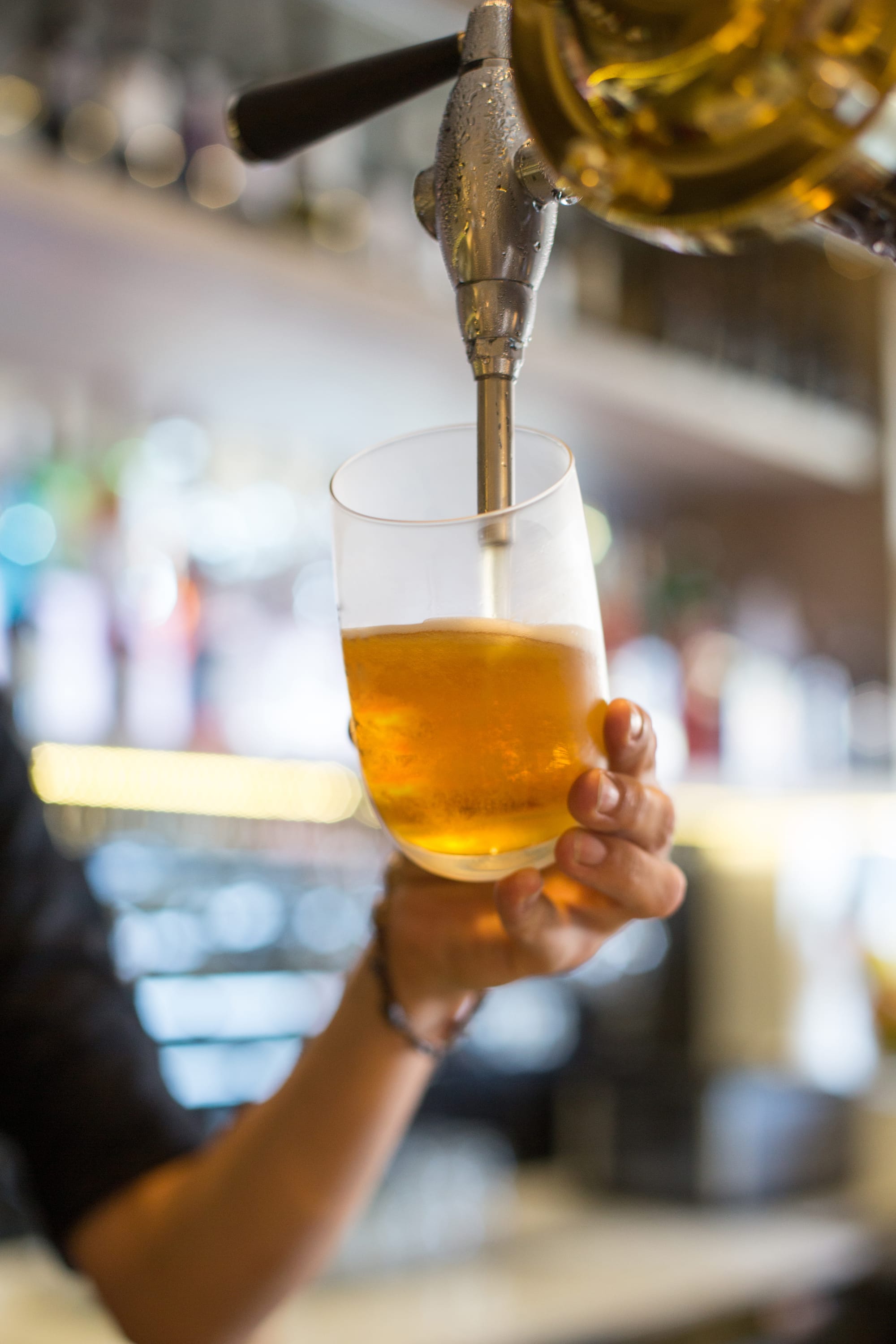
Target a pint in four to six seconds with stable foam. Match flow control and restriction to line length. Hold beer at 36 to 38 degrees Fahrenheit from cooler to faucet. Tune regulator settings to style and run length. Verify results with timed test pours during opening checks.
Parallelize Service and Reroute Traffic
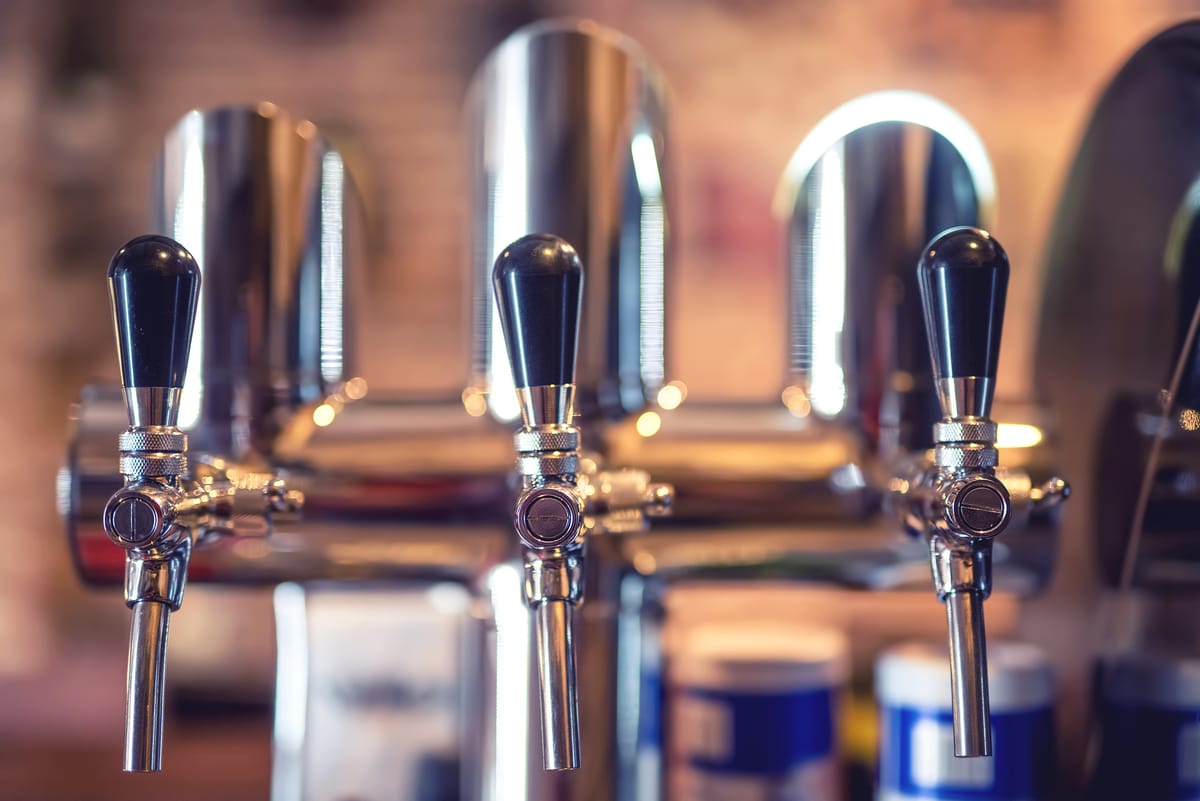
Multiple active points beat one long queue. You achieve parallel service with a larger wall, with multiple bartender stations, or with self-serve access where policy permits. Self-serve setups spread pour load across many heads, which drops perceived wait time for large groups. For architecture examples and neutral product detail, review
self-pour kiosk systems.
Pour Accuracy, Yield, and Waste Reduction
Every ounce counts during peak. Precision across meters, pricing, and training prevents silent losses.
Flow Control, Calibration, and Line Balance
Balance pressure, temperature, restriction, elevation, and diameter. Use restrictor tubing or flow-control faucets where runs differ. Record settings by tap number. Recheck during every cleaning cycle and after any keg or part swap. When foam increases or pours slow down, recheck temperature first, then gas and restriction.
Overpour Controls and Sampling Strategy
Set clear rules for tasters, half pours, and full pours. Post per-ounce prices near each cluster. Staff must route guests to flights when decision time slows the line. In self-serve environments, enforce time-based limits and log manager overrides with user and reason fields.
Reliability, Uptime, and Maintainability
High-traffic rooms punish fragile gear. Build against downtime with standards, spares, and a repair routine.
Cleaning Standards at Scale
Follow a fixed schedule. Use approved chemical strength, then rinse to baseline. Purge air before service. Log date, staff initials, lots used, issues found, and actions taken. Replace gaskets and seals before wear creates leaks. Keep photo evidence for audits and training.
Spare Parts and Swap Procedures
Store gaskets, faucet seals, readers for self-serve, and one or two extra screens. Label shelves and bins for speed. Write a three-step swap guide for each part. Train one lead per shift to own swaps during peak. Measure and review mean time to repair after every incident.
Data and Reporting You Need From a Beer Tap System
Managers need signal, not noise. Live and historical views enable planning and quick moves during rush.
Live Views During Rush
A strong dashboard shows live keg levels, pour pace by tap, and alerting for fast depletion. Staff leaders watch conversion from tasters to larger pours, which indicates menu clarity and staff guidance quality. Exception logs record overrides with user and time.
Post-Shift and Planning
Export daily reports to accounting and inventory without manual edits. Review ounces by style, ABV band, and daypart. Track new versus repeat guests if loyalty ties in. Compare projected depletion to actual so ordering stays ahead of weekends and events.
Staffing and Training For High-Throughput Draft
Great systems fail without strong training. Keep instructions simple, repeatable, and visible.
Training Playbooks and Roles
Create short videos on pour technique, cleaning steps, and basic troubleshooting. Post a quick-reference card at the wall. Assign one guide at peak times to greet, steer decisions, and explain pricing. Run role-play on ID checks and difficult conversations. Repeat core training weekly during the first month.
Guest Experience and Signage
Guests need clarity at first glance. Use large, high-contrast fonts for beer name, ABV, and per-ounce price. Place short tasting notes near eye level. Keep rinsers and glass storage near the first tap in a group. Add shelves between clusters for flights. Place a water station near the wall so guests reset palates and stay longer.
Layout and Infrastructure Basics
Draft infrastructure drives flavor and speed. A few rules shape results.
Cooler and Trunk Lines
Size the cooler for peak inventory with rotation. Keep backup kegs cold to avoid shock during swaps. Use insulated trunk bundles with supply and return glycol. Keep runs short, dry, and intact. Label lines at both ends.
Pressure, Gas, and Temperature Control
Hold beer at 36 to 38 degrees Fahrenheit through the full run. Use blended gas for long runs or higher carbonation styles. Verify regulator settings at open and mid-shift with a simple checklist. Record each change with user and reason.
Self-Pour vs Bartender-Only Models
Your room, staffing, and goals decide which model wins. Self-serve spreads load across many heads, reduces queue time, and frees staff for education and hospitality. Bartender-only lines reinforce product control for specialty programs and cocktail service. Many venues mix both, with a self-serve wall for high-volume styles and a staffed bar for cocktails and rare items. For a neutral overview with layouts and feature scope, examine a
self-pour beer tap system reference.
Throughput
Self-serve setups move groups faster during events because multiple guests pour at once. You reduce perceived wait time and lower walkaways. Staff shifts toward guidance, while guests sample and decide without a single bottleneck.
Labor Flexibility
Self-serve reduces repetitive pour labor, which frees staff for education, bussing, and merchandising. Managers redeploy shifts to greeting, line control, and sales support. Bartender-only models still serve well when menus rely on elaborate glassware or cocktail builds.
Experience
Self-serve encourages exploration with tasters and flights. Clear per-ounce pricing builds trust. Staff remains available at the wall for first-time users and policy enforcement. A hybrid approach meets wide audiences during sports, concerts, and festivals.
Maintenance and Hygiene Expectations For Heavy Traffic
Busy rooms stress parts and schedules. Build a routine that stays simple under pressure.
Daily and Weekly Tasks
Open with a timed test pour from the same few taps each day. Replace any chipped glass. Wipe screens and readers. Midweek, verify meter accuracy against a measured pour. End of week, inspect gaskets and seals, then replace on a fixed interval.
Incident Response
When leaks, foam spikes, or error messages appear, pause the affected tap, swap the part, and log the event. Take one photo of the issue and one after the fix. Review incidents at the next manager meeting.
Inventory, Pricing, and Menu Rotation
Menu design influences pace and revenue. Keep a spread across ABV ranges and flavor profiles. Feature popular styles near center positions. Post limited releases at edges so regulars explore without blocking central traffic. Adjust per-ounce pricing with wholesale cost and demand. Remove slow movers before quality drops.
Queue Management and Wayfinding
Plan a staging zone before the wall so groups review options without blocking pours. Place arrows or subtle floor markers to guide flow. Keep sightlines to exits and restrooms clear. Add rail space near clusters so guests set glasses down during flights and payment.
Policy and Compliance For Self-Serve Environments
Treat entry like a checkpoint. Verify ID, open a profile, and issue a credential, such as a card or wristband. Set time-based pour limits. Place overconsumption warnings where guests read them. Log every override with manager name and reason. Train staff to intervene with calm, direct language.
Technology Selection Checklist
Use a one-page checklist to compare vendors on real criteria.
- Install base by venue type and tap count range.
- Line balancing method, target pour time, and documentation.
- Cleaning program, meter calibration, and spare kit list.
- Uptime targets, ticket response times, and escalation path.
- Dashboards, outage handling, and export formats.
- Compliance controls, training library, and incident logging.
- Cost breakdown by hardware, installation, software, and parts.
- Timeline from survey to soft opening with named owners.
Budget and Timeline Without Surprises
Divide the plan into one-time and ongoing items. One-time items include faucets, meters, readers, screens, controllers, mounts, trunk bundles, insulation, lines, refrigeration, electrical, data, signage, and install labor. Ongoing items include software licensing, processing, cleaning supplies, spare parts, and training refreshers. Hold a small contingency for site conditions. Build a short schedule with eight weeks from survey to soft opening, then schedule a tuning visit after week one of live service.
Examples From Busy Venues
Food halls rely on parallel service across long walls. Managers group popular styles in the center and push experimental items to the edges. Family entertainment centers place walls near main paths, use extra signage, and assign roaming staff during peak. Large restaurants start with sixteen to twenty-four taps, then expand with conduit and power in place.
Stronger Operations Through Plain Metrics
Review a small set of numbers every week. Watch ounces per guest by daypart, depletion rate by tap, conversion from tasters to larger pours, waste by shift, and average order value by party size. Compare new versus repeat guests when loyalty connects to your pour data. Use trends to rebalance the list, adjust prices, and set staffing for events.
Closing Thoughts For Operators
High-volume rooms reward systems thinking. A strong beer tap system aligns hardware, software, training, and policy so guests move fast and enjoy clean flavor. Focus on flow rate, balance, and signage for speed. Invest in cleaning, spares, and documentation for uptime. Put simple dashboards in front of managers so orders, staffing, and pricing stay ahead of demand. With a short checklist, two references, and a clear schedule, you build a draft program that performs during rush and remains easy to run the rest of the week.