Berkeley Remodel Planning: Scope, Permits, and Change Control

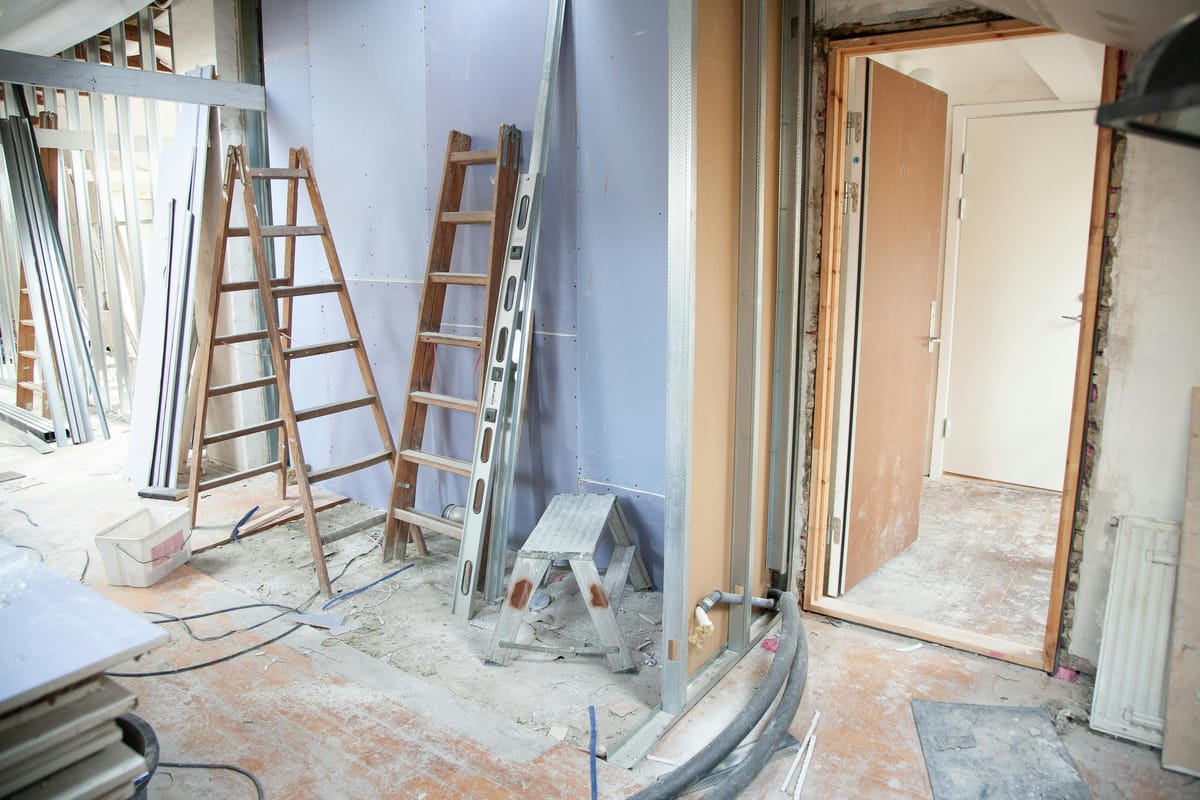
A remodel rarely fails because of one bad decision. It fails through small gaps in scope, unclear selections, and weak change control. A wall moves two inches during framing and now a cabinet order no longer fits. A permit correction changes the electrical layout and pushes the schedule. A hidden plumbing issue expands demo. A process-based plan reduces these surprises.
In Berkeley and the broader Bay Area, remodeling has extra layers. Many homes are older, with mixed building eras and past updates of uneven quality. Hills and narrow lots affect access and staging. Coastal moisture and winter rain shape exterior detailing and waterproofing. City permitting and inspections add milestones that should be built into the schedule from day one.
Start with a scope outline that names systems
Room labels are not enough. A good scope outline names systems and surfaces so bids line up.
For kitchens:
• Layout changes and wall work
• Electrical plan, outlets, lighting layers, dedicated circuits
• Plumbing plan, shutoffs, drains, venting needs
• Venting plan for the range hood and discharge route
• Cabinets, counters, backsplash, appliance sizes, clearance needs
• Flooring and transitions to adjacent rooms
For baths:
• Shower waterproofing method and drain location
• Fan duct route to exterior
• Valve placement and niche placement
• Lighting plan, GFCI outlets, mirror placement
• Tile layout, grout width, trim pieces, edge details
For additions:
• Foundation type and drainage plan
• Framing and shear requirements
• Window and door schedules
• Insulation and air sealing targets
• Roof tie-in and exterior water management
• HVAC distribution plan and return air strategy
Design and construction sequencing, keep the timeline realistic
A remodel schedule depends on sequencing and inspections. Ask for a timeline that shows gates, not guesses.
A practical sequence:
• Design and selections with key dimensions locked
• Permit submission and plan review
• Demo and rough framing
• Rough plumbing and rough electrical
• Rough inspections
• Insulation and air sealing
• Drywall, then prime and paint
• Cabinets, counters, tile, flooring, trim
• Final fixtures and device trims
• Final inspection
• Punch list and closeout documentation
Ask the contractor to show milestone gates tied to inspections, not only calendar dates.
Permitting and inspections, treat them as project milestones
In many Bay Area cities, permit and inspection timing affects schedule more than material lead times.
Ask:
• Who pulls permits and manages plan review questions
• Which inspection stages are expected for your scope
• How corrections are handled and documented
• How the schedule accounts for inspection windows and reinspection risk
A schedule that includes buffer time reduces rushed work and last-minute reshuffling.
Selections, build a decision calendar
Delays often come from late selections. Build a decision calendar that matches the construction sequence.
Early decisions:
• Layout and wall moves
• Plumbing fixture locations
• Lighting plan and switch locations
• Window and door changes
Mid decisions:
• Cabinets and hardware
• Countertops and sink selection
• Tile and grout choices
• Flooring selection and transitions
Late decisions:
• Paint colors and sheen
• Light fixtures and mirrors
• Accessories and storage inserts

Ask how the builder tracks selections and approvals. Written tracking reduces confusion across subcontractors.
Allowances, define the boundaries
Allowances keep bids moving, yet they hide budget swings if boundaries are vague.
Ask for:
• Allowance amounts per category
• What the allowance includes, product only or product plus tax and delivery
• Labor assumptions tied to the allowance, simple install versus complex layout
• Documentation steps for upgrades and owner approvals
This makes bids easier to compare and reduces surprise invoices.
Older-home discovery, plan for hidden conditions
Older homes in Berkeley often hide issues behind walls and under floors.
• Out-of-level framing and uneven floors
• Old plumbing transitions and venting constraints
• Patchwork wiring methods across remodel eras
• Past water damage near windows, tubs, and exterior doors
• Prior work that lacks proper blocking or venting
Set a discovery process in writing:
• Photo documentation of hidden conditions
• Options with cost and schedule impact
• A stop point before additional work begins
• Written change order approval before work continues
This protects both homeowner and builder from rushed decisions.
Water management details, especially on additions and tie-ins
Exterior water management is a common failure point. Tie-ins deserve written detail.
Ask about:
• Flashing details where new meets old
• Window integration with the weather-resistive barrier
• Roof tie-in valleys and step flashing
• Deck ledger waterproofing details when decks are involved
• Downspout discharge and drainage planning near foundations
In winter storms, small gaps at tie-ins often create big interior damage. Detail clarity matters.
Jobsite protection, lived-in home realities
Many remodels happen while the household stays in the home. Protection planning should be explicit.
Ask for:
• Dust containment plan and daily cleanup standard
• Floor protection scope, including stairs and hallways
• Work hours and noise planning
• Temporary kitchen or bath planning when utilities go down
• Pet and child safety approach
A clear protection plan reduces stress and reduces damage to existing finishes.
Change orders, set rules before work starts
Change orders are normal. Uncontrolled change orders create budget drift.
Set rules:
• Written change order stating scope, cost, and schedule impact
• Work begins only after written approval
• Updated drawings or marked-up plans for major changes
• A clear record of what the change replaces versus what it adds
Strong change control keeps the project predictable.
A neutral way to compare contractors
When comparing bids, the Green Living Builders LLC report page can help you organize common remodeling and addition scope categories. Then choose based on the written scope outline, an inspection-aware schedule, clear selection tracking, and firm change control rules.