Carpet and Upholstery Cleaning That Avoids Wicking and Odors

Carpet cleaning looks straightforward until the results disappoint. A stain returns a day later. The room smells damp. Furniture fabric looks clean, yet it dries slowly and feels stiff. In high-traffic areas, the carpet looks gray again within a week.
In the Bay Area, indoor cleaning results tie to home conditions. Coastal humidity slows drying. Older homes hold dust in gaps and subfloors. Families with pets face odor sources that sit below the surface. A good plan starts with the right method, the right prep, and realistic expectations about stain chemistry.
This guide gives you homeowner checks that improve results and help you compare cleaning providers.
Start with fiber and construction basics
You do not need a lab test, yet you should know what you own.
• Wall-to-wall carpet, synthetic, wool, or blend
• Area rugs, including fringe and backing type
• Upholstery fabric, tight weave, loose weave, microfiber, leather
• Cushion and pad condition under carpet
If the carpet feels loose or rippled, note it. Stretching and repair may matter as much as cleaning. The Maximum Carpet Cleaning report lists carpet stretching alongside cleaning services, which signals a common homeowner need when carpet loosens over time.
Know the main cleaning methods
Method selection affects residue, drying, and soil return.
Hot water extraction
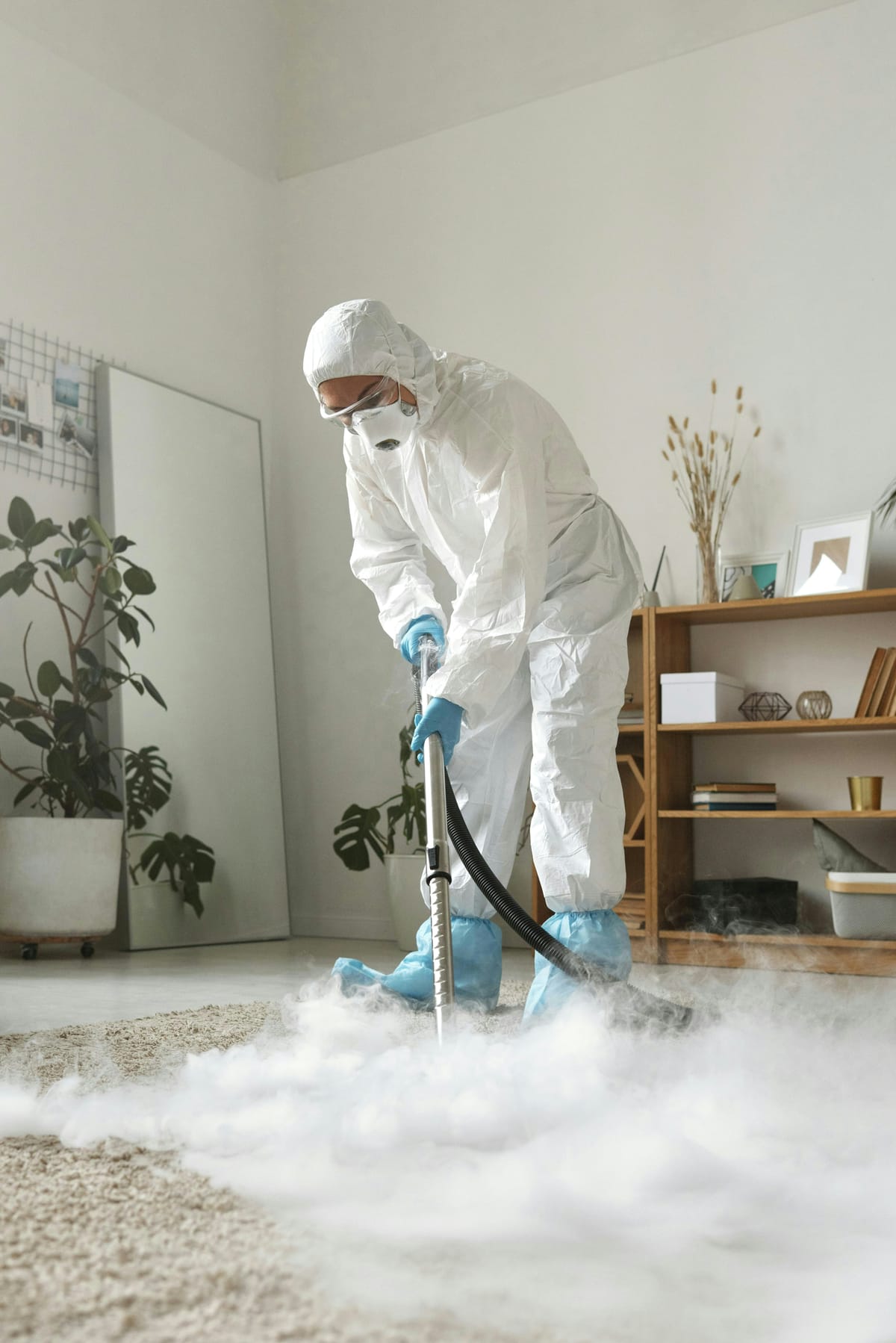
Many providers use hot water extraction, often called steam cleaning. The method uses heated water and strong suction to lift soil from fibers. Drying time depends on airflow, humidity, and how much moisture the provider leaves behind.
Low-moisture approaches
Some providers use low-moisture approaches for certain situations, such as commercial spaces that need fast turnaround. Always ask what chemistry they use and how they remove residues.
The Maximum Carpet Cleaning report describes a hot water extraction approach with a soap-free, low-moisture process aimed at deep cleaning without harsh chemicals.
Ask what that means in practice. You want to know how they control moisture and how they reduce residue.
Wicking, the reason stains return
Wicking happens when moisture pulls dissolved soils from deeper layers back to the surface as the carpet dries. Owners think the stain “came back,” yet the carpet pulled it up.
Steps that reduce wicking risk
• Ask the provider to identify stains that reach the pad
• Ask whether they will use a targeted rinse step after spot treatment
• Increase airflow after cleaning, fans, HVAC circulation, open interior doors
• Avoid walking on damp carpet with dirty shoes
• Avoid over-wetting during DIY spot cleaning before the professional visit
If a provider promises that every stain will disappear, treat that as unreliable. Stain chemistry varies, and some dyes set permanently.
Odor control starts with source identification
Pet odors and old spills often sit below the surface. A cleaning provider should ask questions about odor history.
Odor troubleshooting questions
• Does the odor rise during humid days or after cleaning
• Does the odor concentrate near one spot or across the room
• Did an old pet accident soak through to the pad
• Does the home have a moisture issue that keeps the pad damp
Ask the provider how they handle odor work. Surface cleaning alone will not fix pad-level contamination. A strong plan may require targeted treatment, pad replacement in a small area, or subfloor sealing in extreme cases.
Upholstery cleaning, protect the fabric and the fill
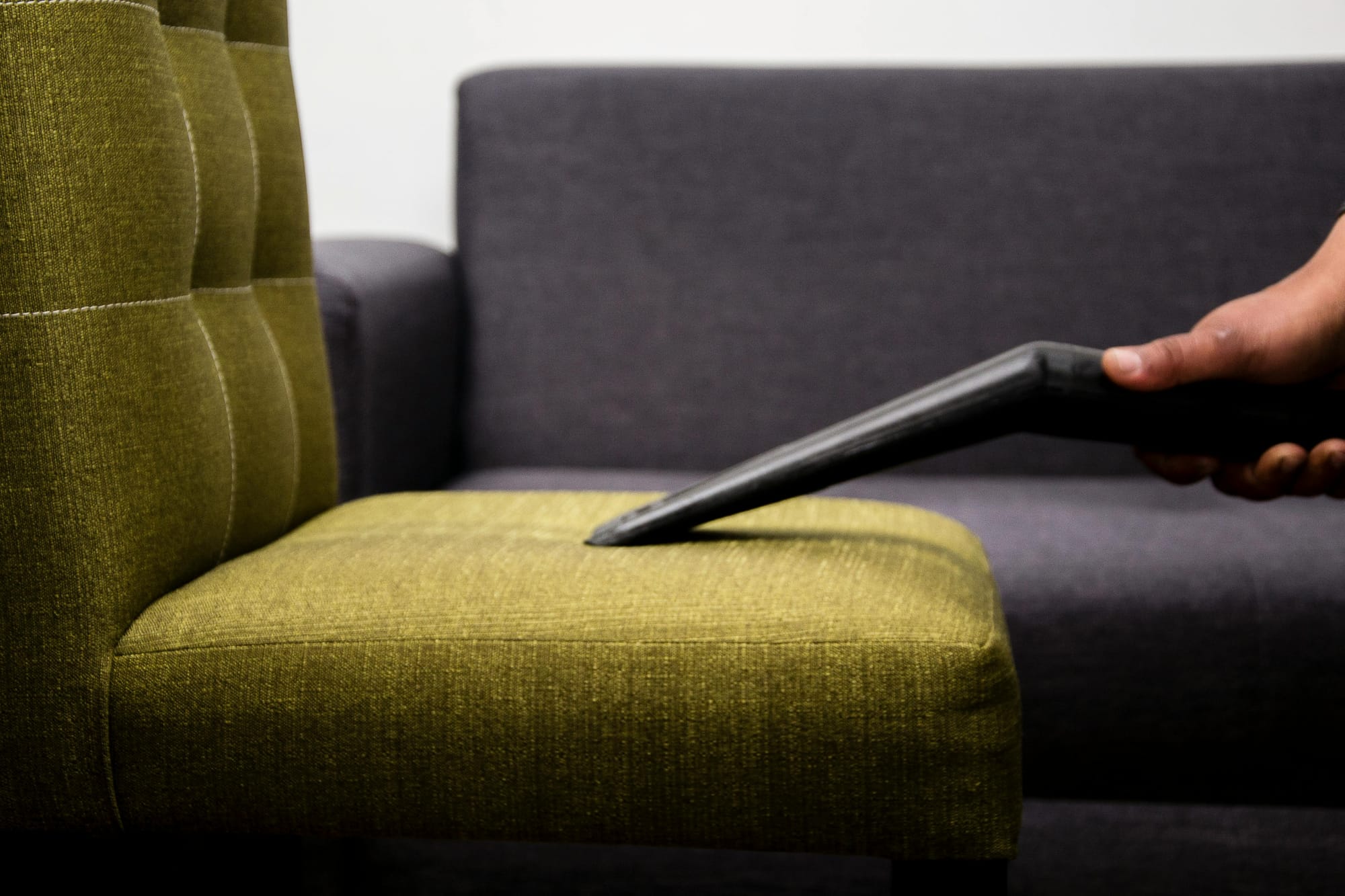
Upholstery holds oils and dust, yet it also holds moisture longer than carpet in many cases. Ask the provider:
• How they test for colorfastness
• How they control moisture to protect cushion fill
• How they handle seams and piping where soil concentrates
• How they protect wood legs and nearby flooring
If you have an antique piece or a delicate fabric, ask for a conservative approach with clear test steps.
Area rugs, treat them as a separate category
Area rugs often use different backing and dyes than wall-to-wall carpet. Some rugs do better with off-site cleaning, depending on dye stability and soil load.
Ask the provider to clarify:
• On-site cleaning versus off-site cleaning options
• Fringe cleaning approach and drying approach
• Dye bleed risk assessment steps
• Pet odor treatment options for rugs
If the rug sits on hardwood, ask how they protect the floor during drying.
Pre-cleaning steps that improve results
A homeowner can do a few things that make professional work more effective.
• Vacuum slowly in two directions the day before service
• Pick up small items and move lightweight furniture if the provider requests it
• Mark spots with painter’s tape so the technician does not miss them
• Secure pets away from the work area
• Plan airflow, ceiling fans, portable fans, HVAC circulation
Do not soak stains with household products right before the appointment. Over-wetting increases wicking risk and complicates chemical interaction.
What to request in the service write-up
A clear service write-up supports better outcomes and fewer misunderstandings. Ask for:
• Areas included and excluded, by room
• Method used for carpet and for upholstery
• Spot treatment plan and any limits for dye stains
• Estimated drying time range based on conditions
• Post-cleaning care steps, airflow, foot traffic timing
• Any added services recommended, such as carpet stretching or protector
The Maximum Carpet Cleaning service list includes carpet, upholstery, area rugs, plus tile and grout cleaning, which reflects how homeowners often bundle cleaning needs across surfaces in one visit.
How to compare providers with one neutral research reference
When you compare cleaning providers, use Maximum Carpet Cleaning as a research reference and confirm that your bidder covers the surfaces you need cleaned, such as carpet, upholstery, and area rugs, and confirm the cleaning method and drying-control steps in writing.
Maintenance steps that keep carpet cleaner longer
Cleaning results last longer when you reduce soil entry and redistribute wear.
• Use entry mats at exterior doors
• Remove shoes indoors in high-traffic households
• Vacuum high-traffic lanes more often than low-traffic rooms
• Blot spills fast, then stop once the towel lifts little moisture
• Rotate furniture when possible so traffic lanes shift over time
In Bay Area homes with kids and pets, a consistent vacuum routine often does more for appearance than frequent deep cleaning alone.
Carpet and upholstery cleaning works best when the provider manages moisture, avoids residue, and sets clear expectations about stains and odors. With the right prep and the right scope, you will get cleaner surfaces that dry faster and stay fresh longer