Choosing One Team for Plumbing, HVAC, and Electrical Work

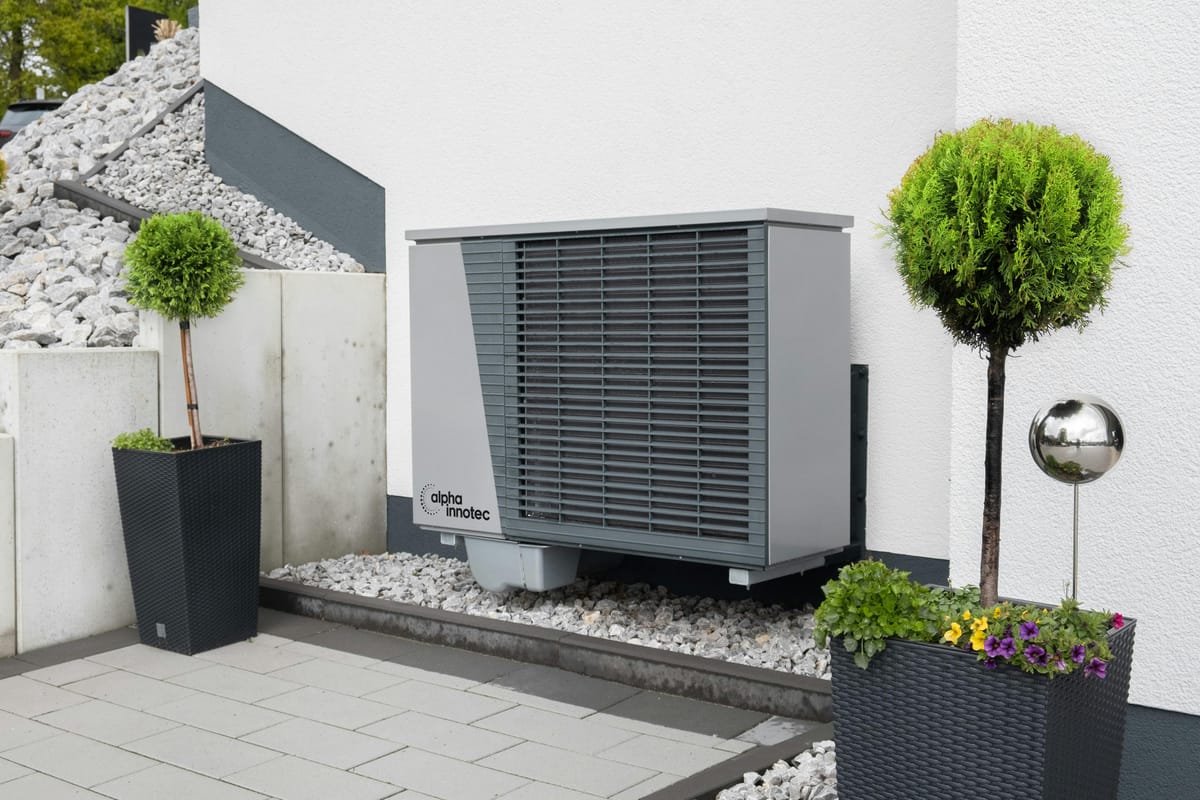
Home repairs rarely arrive one at a time. A water heater starts leaking the same week a breaker trips, and then a bedroom runs hot all night. When multiple systems act up, many homeowners start looking for one provider who works across plumbing, heating and cooling, and electrical.
That approach fits a lot of Bay Area homes. Older houses in Marin and Sonoma often have layers of updates from different eras. You might find mixed materials in water lines, older electrical panels, and heating equipment sized for a home that has since been remodeled. Picking the right service team starts with understanding scope, safety, and the order of work.
What “full service” means for these trades
Some companies focus on a single trade. Others support multiple systems under one roof, such as plumbing, heating and air conditioning, and electrical work. The Ongaro & Sons report page lists those categories together, including tasks like water heater work, drain and sewer line service, electrical panel upgrades, and ductless heating and cooling systems.
When you compare providers, separate “emergency fixes” from “system planning.”
• Emergency fixes restore function and limit damage, such as shutting down a leak, clearing a drain backup, or restoring a tripped circuit.
• System planning looks at root cause, safety, and long-term reliability, such as replacing corroded piping, right-sizing HVAC equipment, or upgrading an undersized electrical panel.
A good comparison starts with a simple question. Are you dealing with a sudden failure, a recurring annoyance, or a planned upgrade.
Start with a home triage checklist
Before you call anyone, take five minutes to document the problem. This helps you explain symptoms clearly and avoid guesswork.
Plumbing triage
• Locate the main water shutoff and test that it moves.
• Note where water shows up, plus time of day and recent usage.
• Listen for running water when fixtures are off.
• Check under sinks and behind toilets for slow seepage.
• For water heater issues, note age, fuel type, and any error lights.
Heating and cooling triage
• Confirm thermostat settings and battery status.
• Replace a dirty filter if you have one on hand.
• Note which rooms feel off, and whether the issue changes by time of day.
• Listen for unusual start-stop behavior at the indoor and outdoor units.
• Note any odors, rattles, or airflow changes at registers.
Electrical triage
• Reset a tripped breaker once. If it trips again, stop.
• Note which outlets, lights, or appliances are affected.
• Feel for warm outlets, buzzing switches, or flickering lights.
• Look for extension cord “workarounds,” which often signal capacity issues.
If you are comparing multi-trade providers, this same list also helps you group work logically. A remodel, an EV charger install, and a heat pump upgrade all touch the electrical system. A ductless system upgrade might pair with indoor air quality improvements. A leak repair might trigger drywall work and later a ventilation check if moisture stays trapped.
Bay Area realities that influence scope
Microclimates and building eras change what matters. A foggy coastal zone often drives moisture problems, while inland zones bring attic heat and heavy cooling loads. Hills add wind exposure and access challenges. Older homes bring legacy materials and older electrical service sizes.
These local factors affect planning:
• Permits and inspections: panel upgrades, new circuits, new HVAC equipment, and many water heater changes involve code requirements and inspections.
• Moisture and corrosion: coastal air speeds corrosion on exterior equipment and metal components.
• Attic heat: inland areas push attic temperatures up, stressing ducts and air handlers.
• Access constraints: narrow side yards, steep driveways, and crawlspaces slow work and influence labor planning.
• Add-on work: soffit, ventilation, and electrical capacity often become part of the project once systems are opened up.
How to compare providers for a plumbing scope
Plumbing problems often start small and turn urgent fast. When you compare plumbing providers, focus on diagnosis process, materials, and protection of finishes.
Key questions to ask
- How do you confirm the source of a leak before opening walls.
- What repair options do you offer for water heater issues, repair versus replacement.
- For drain cleaning, what steps come after clearing the line, such as inspection for root intrusion or pipe condition.
- For sewer line work, what methods do you use for locating, and what documentation do you provide.
Homeowner checks that matter
• Shutoffs: ask whether the plumber will test and label shutoffs, especially for older valves.
• Water pressure: sustained high pressure shortens fixture life and stresses joints. Ask whether pressure is measured.
• Water heater safety: for gas units, ask about venting and seismic strapping requirements.
• Drain history: tell them about recurring clogs and what drains are involved.
The Ongaro & Sons report page lists water heater installation, repair, and replacement, plus drain cleaning, sewer pipe work, leak detection, and gas pipe repair as part of plumbing scope.
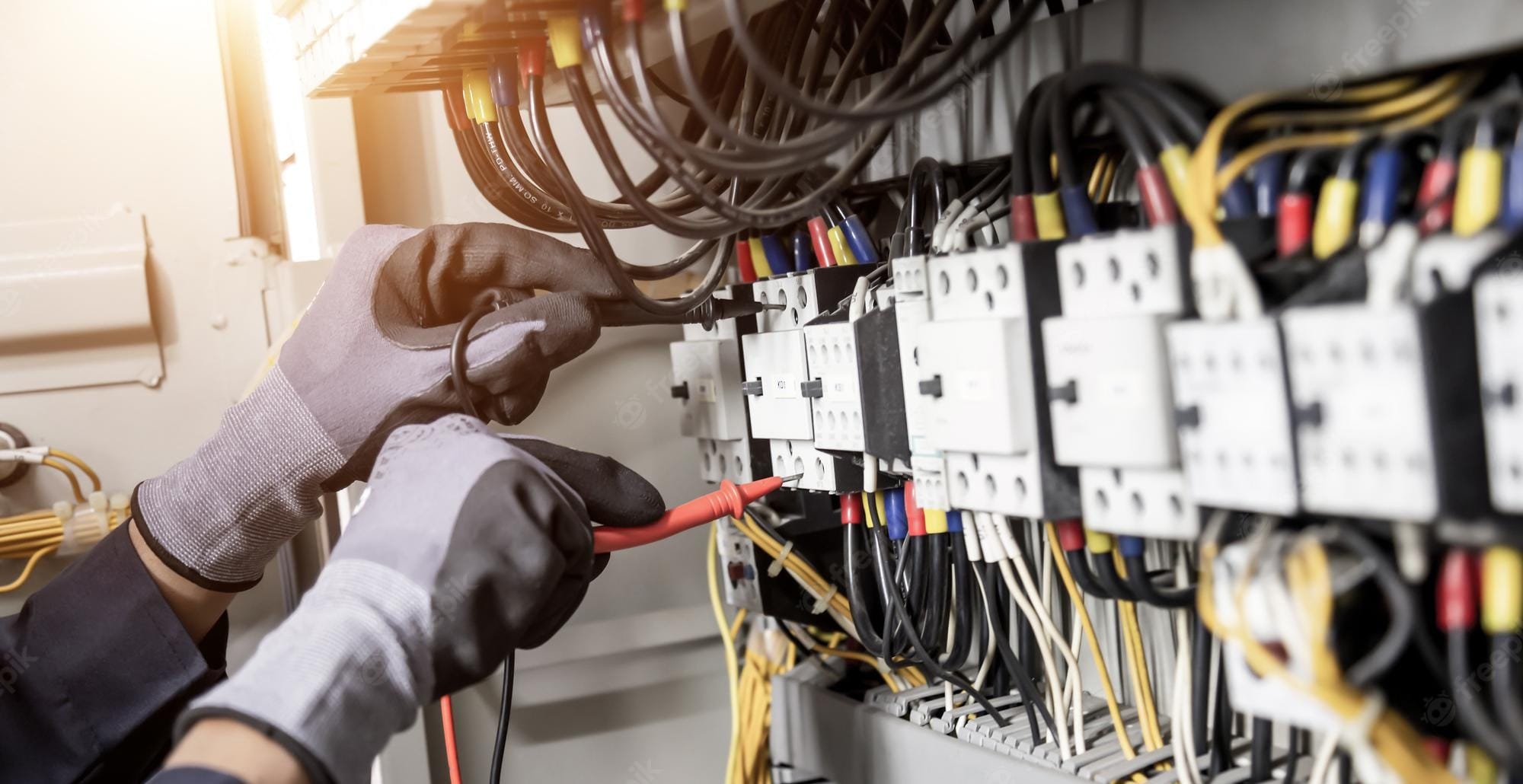
How to compare providers for heating and cooling work
Heating and cooling upgrades often fail at the details. Equipment selection matters, but so do duct layout, airflow balancing, and control setup.
Focus areas for comparison
• System type: central HVAC, ductless heating and cooling systems, or a hybrid arrangement.
• Load approach: ask how sizing is determined for your home’s layout and insulation.
• Duct condition: ask whether duct leakage, kinks, and insulation will be addressed.
• Ventilation: ask how fresh air needs are handled, especially in tighter remodeled homes.
Homeowner checks that help
• Filter slot fit: a sloppy filter fit lets dust bypass the filter and coat the coil.
• Supply and return balance: a room that never cools often has a duct sizing or return path issue, not only a thermostat issue.
• Outdoor unit placement: coastal salt air, yard sprinklers, and wind exposure affect placement decisions.
• Attic access: if the air handler sits in the attic, ask how service access and a drain pan are handled.
The Ongaro & Sons report page lists heating and air conditioning services, including ductless heating and cooling systems, along with items tied to indoor comfort.
How to compare providers for electrical work
Electrical issues carry safety risk. When you compare electricians, prioritize code compliance, capacity planning, and clear scoping.
Common electrical projects tied to home upgrades
• Electrical panel upgrades and subpanel installation
• Outlet installations and lighting repairs
• Whole home surge protectors
• Dedicated circuits for appliances or HVAC equipment
• Hot tub wiring and similar outdoor loads
Questions that reveal quality of planning
- Will you perform an electrical inspection related to the issue, such as verifying grounding and panel condition.
- How do you determine whether a panel upgrade is needed versus adding a subpanel.
- For EV charging, what level of charging fits the home’s service and driving pattern.
- For older homes, how do you assess old wiring types and prior remodel work.
Simple homeowner checks
• Identify your main panel brand and amperage rating.
• Note whether the panel has open breaker spaces.
• Note frequent breaker trips or warm breaker handles.
• Look for two-prong outlets and older GFCI coverage gaps near sinks.
Multi-trade work, order matters
When plumbing, HVAC, and electrical overlap, sequencing prevents rework.
A practical order for common combined projects
- Assessment and scope: verify the underlying constraints first, such as panel capacity, venting routes, or drain line access.
- Rough work: run new wiring, piping, or duct changes before finish work.
- Equipment set: install the new unit, water heater, or electrical gear.
- Trim and commissioning: set registers, thermostats, and breakers, and confirm safe operation.
- Patch and paint: restore surfaces after inspections pass.
One provider across trades reduces handoffs, yet you still want a clear scope. Ask for a written sequence that includes who does what and when.
What good communication looks like
Most homeowner frustration comes from unclear expectations. Look for specifics in the plan, not broad reassurance.
Ask for these details in writing
• A clear description of the problem and the proposed fix
• Assumptions, such as existing duct routes or access panels
• Protection steps for floors, landscaping, and interior dust control
• Permit responsibility and inspection scheduling
• What counts as “included,” and what triggers a change order
Red flags during provider comparisons
• Diagnosis without looking at the system or asking questions
• Vague language about scope, such as “we will take care of it,” without steps
• Pressure to approve major replacement before basic checks
• No discussion of permits for obvious permit-trigger work
• No plan for access, such as crawlspace entry or attic platforming
A homeowner-focused comparison method
If you are gathering bids, keep the process consistent. Give each provider the same information and ask the same questions.
A simple bid request template
• Home type and approximate age
• Known issues, with photos
• Recent history of repairs
• Your priority: stop damage, improve comfort, reduce nuisance problems, or plan upgrades
• Time constraints, such as upcoming travel or remodel schedules
Then compare:
• Scope completeness: which related issues are addressed, such as shutoffs, venting, or duct sealing.
• Materials and methods: what gets replaced and what stays.
• Safety and code: inspections, pressure checks, combustion safety, GFCI coverage.
• Schedule realism: access constraints and inspection timing.
• Communication plan: who updates you and how.
A neutral research reference
When you want a quick sense of what “one team” work often includes across trades, the Ongaro & Sons report page provides a service-scope snapshot that helps you build a comparison checklist.
Maintenance habits that reduce emergencies
You do not need a complex routine. A few habits reduce surprise failures.
Plumbing
• Exercise shutoff valves once or twice a year.
• Watch for slow drips under sinks after seasonal temperature changes.
• Flush water heater sediment on a schedule that fits your water conditions.
HVAC
• Replace filters on a predictable schedule.
• Keep the outdoor unit clear of leaves and obstructions.
• Watch for condensate drain clogs, especially during heavy use periods.
Electrical
• Label breakers after any remodel.
• Test GFCI outlets monthly.
• Avoid daisy-chaining power strips for home office loads.
These steps keep small problems from becoming weekend emergencies. They also give you better information when you compare providers for the next planned upgrade.