Commercial Window Film for Offices: How to Cut Glare, Heat, and Energy Bills Without Replacing Glass

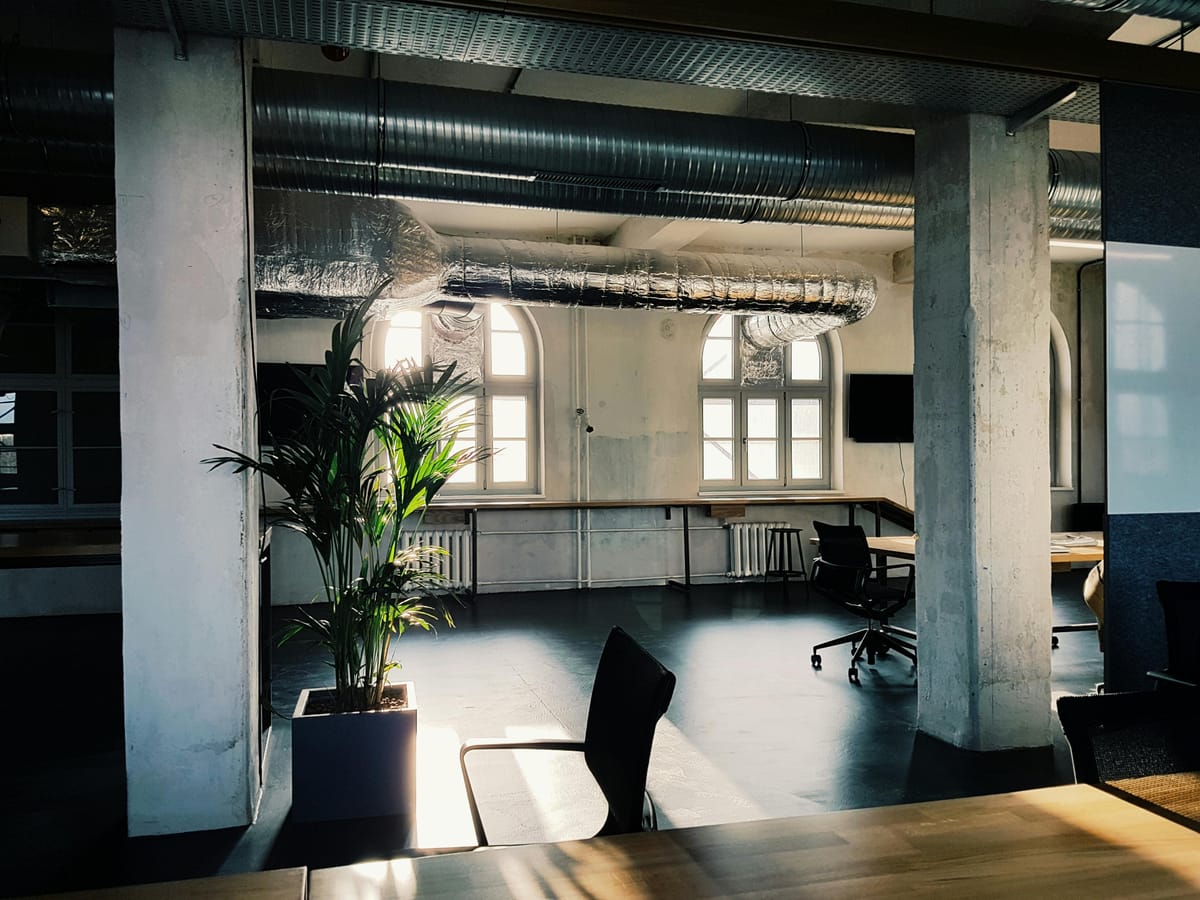
Picture an open plan office with floor to ceiling glass. Staff arrive for the morning shift and the room already feels warm. By mid afternoon, south facing desks feel uncomfortable, screens reflect bright sunlight, and blinds stay down for most of the day. Meeting rooms feel stuffy, while reception staff sit in full view of the street with little sense of privacy.
Many UK workplaces face similar issues. Large glazed areas support natural light and an attractive modern look, yet they also introduce problems with glare, heat gain, and thermal discomfort. Replacing glazing across an office building involves high capital cost, disruption, and long lead times.
Commercial window film offers a faster, more practical route. It upgrades existing glass with thin, high performance layers that improve comfort, privacy, and energy performance without new frames or units. This article explains how commercial window film works, which problems it solves, and how to plan a project that supports your wider building strategy.
What commercial window film is and how it works
Commercial window film is a thin, multi layer material applied to existing glass. Installers place it on the internal surface or external surface, depending on glass type and access. Once fitted, the film forms a permanent bond with the glazing.
Each product uses a specific construction that targets solar heat, glare, UV, privacy, or safety. Some films use dyes and metalised layers that reflect and absorb solar energy. Others use ceramic particles or specialist coatings that control heat without strong reflection. Frosted and privacy films scatter light so observers lose a clear view into the space.
The principle is simple. Standard glass lets a large portion of solar energy pass into the room. Film intercepts part of this energy before it enters the building. Less heat enters, glare feels reduced, and UV exposure falls across surfaces and occupants.
Commercial window film and common workplace problems
Many facilities teams reach for commercial window film once occupants raise repeated concerns. Typical issues include
- Overheating in summer in south or west facing spaces
- Glare on display screen equipment for staff who work at desks all day
- Cold downdraughts from single glazed or poorly insulated windows in winter
- Lack of privacy for ground floor offices, meeting rooms, reception desks, and healthcare spaces
- Fading of carpets, soft furnishings, signage, and stock in window displays
Without a targeted solution, staff rely on blinds, curtains, and portable fans. Blinds reduce daylight, close off views, and often sit closed throughout the day. Fans move air but do not address solar gain. When the office feels uncomfortable, complaints rise and productivity falls.
Commercial window film offers a more precise response. By matching film type to each problem, you improve the building environment while preserving daylight and external views.
Types of commercial window film
Suppliers offer a wide range of products, which often fall into four broad groups. Many buildings end up with more than one type, each tailored to a specific zone.
Solar control window film
Solar control films focus on heat gain and glare. They reflect and absorb a proportion of solar radiation before it enters the building. Performance varies by product, with some films reducing total solar energy by more than half.
Visible light transmission ratings describe how much daylight reaches the interior. Higher values look nearer to clear glass. Lower values give a more tinted appearance with stronger glare control. Facilities managers select a balance between light levels, solar performance, and aesthetics.
Privacy and frosted film

Privacy films help where staff or visitors feel exposed or where sensitive activity takes place close to a window. Frosted finishes create a diffuse, translucent appearance that admits light but blocks direct views. These suit meeting rooms, partition walls, and reception areas where partial screening supports more relaxed conversations.
Reflective privacy films provide one way vision during daytime. Exterior observers see a mirrored surface, while occupants retain a view outside. These films suit street facing offices, call centres, and security sensitive rooms.
Security and safety film
Safety and security films increase the resistance of glass to impact and hold fragments together if breakage occurs. Standard safety films bring existing glass into line with regulations on critical locations, such as doors and low level panes.
Thicker security films support duty of care in higher risk environments. They slow forced entry, reduce spall from blasts, and limit hazards from thrown objects. In many cases, they integrate with solar or privacy functions.
Specialist and combined films
Some buildings require tailored performance. For example, data centres use films that limit solar gain on sensitive equipment rooms while retaining neutral appearance. Healthcare spaces use films that support privacy, infection control, and cleaning routines. Museums and galleries often prefer clear UV control films that protect exhibits while preserving appearance.
Manufacturers therefore offer combined products. A single specification can deliver solar control, safety performance, and UV reduction, which simplifies installation and documentation.
Comfort and productivity benefits
Comfort links closely with concentration, decision making, and staff retention. When offices feel too hot, too cold, or too bright, staff behaviour changes. Blinds stay closed, staff move desks to escape glare, and windows remain open even when heating runs.
By cutting solar gain and glare, commercial window film helps maintain more stable temperatures across each floor. Staff spend less time adjusting blinds, heaters, and fans. Meeting rooms stay usable for more hours of the day. Reception staff work under less visual stress from direct sunlight and street views.
Visitors also notice the difference. A comfortable reception and meeting suite supports stronger first impressions during client visits, investor meetings, and recruitment processes.
Energy efficiency and cost savings
Cooling costs rise sharply when large glazed areas allow uncontrolled heat gain. Air conditioning plant works harder, especially on upper floors and south facing elevations. At the same time, heat losses through glazing add pressure during winter.
High performance solar control films reduce cooling loads by cutting solar energy at the glass layer. In many cases, peak room temperatures fall by several degrees. Plant runs more efficiently, and some buildings gain capacity to handle warm spells without additional equipment.
Compared with full glazing replacement, commercial window film offers lower capital cost and shorter payback periods. Existing frames and glass stay in place. Installation teams work from inside or from mobile access equipment, which reduces disruption and avoids heavy structural work.
Where organisations pursue formal energy management goals, such as ISO 50001 or internal carbon reduction targets, film projects support measurable savings. Energy managers can include projected reductions in cooling demand within business cases and annual performance reports.
Practical considerations for facilities teams
Success with commercial window film starts with a clear understanding of the building and its use. Facilities teams benefit from a structured approach before they commit to a specification.
Assessing problem areas and priorities
Start by mapping hot spots and glare zones across seasons and times of day. Common patterns include late afternoon overheating on west elevations, low winter sun on open plan floors, and high contrast glare near large atria.
Engage with occupants and line managers to gather specific feedback. Questions might cover times of day with greatest discomfort, desks affected by glare on screens, and rooms often avoided due to temperature swings. This feedback highlights priority areas for early intervention.
Internal and external application
Most projects use internal application, where installers place film on the room side of the glazing. This approach suits accessible windows and many solar control products. Internal fitting protects film from weathering and simplifies cleaning.
External films support situations where internal access is limited or where glass construction demands external placement for thermal reasons. These products use more robust coatings that resist UV and environmental exposure. Planning for external work includes access equipment, permits, and safety arrangements around footpaths and entrances.
Natural light and views
Many decision makers worry about loss of daylight or views when they first explore film options. Modern solar control products address this concern with neutral or spectrally selective constructions. These maintain pleasant light levels while still reducing heat and glare.
Sample panels help stakeholders compare options. By trialling film on a small section of glazing, you gather feedback from staff and check how the building looks from outside. This step often reassures senior leaders who want both performance and visual quality.
Compliance and safety
Any change to glazing in a commercial building must support safety duties. Facilities managers therefore need awareness of relevant standards and guidance.
Building regulations cover glass in critical locations, such as doors, side panels, and low level panes near circulation routes. Safety films allow existing annealed glass to achieve an acceptable safety rating without full replacement.
Workplaces that depend heavily on display screen equipment also fall under guidance on glare control. Assessments for display screen use consider reflections, contrast, and sun paths. Solar control film forms one element within a broader strategy that might include desk layout, equipment choice, and blind use.
Industry standards and film test data provide evidence for performance claims. Reputable suppliers share independently verified figures for solar energy rejection, UV reduction, safety ratings, and fire performance. Facilities teams should request documentation for inclusion in building records and compliance files.
Planning a commercial window film project
Once you decide to explore film as a solution, a structured project plan helps align budgets, expectations, and delivery.
Site survey and specification
A specialist survey provides measurements, glass types, and site conditions. Surveyors record orientation, frame condition, access constraints, and any existing coatings. They also note areas with special requirements, such as listed facades or high security zones.
Based on survey findings, the supplier recommends specific products. The specification sets out performance figures, visual appearance, safety ratings, and warranty terms. At this stage, you review sample swatches on site with key stakeholders so every party understands the proposed outcome.
For multi site portfolios, partners such as providers of office window film for UK commercial buildings help standardise specifications and documentation. This consistency simplifies procurement and long term management.
Installation process, disruption, and timescales
Installation teams usually work from the inside, one pane at a time. The process involves detailed cleaning, application of a slip solution, placement of film, and careful squeegeeing to remove moisture and air. Edges sit close to seals for a neat finish.
Disruption levels depend on access and layout. In many offices, teams progress bay by bay while staff continue work nearby. Sensitive areas such as trading floors, call centres, or clinical rooms often move to out of hours schedules.
Timescales vary with building size. Smaller offices complete in a day or two. Larger headquarters buildings may run over several phases to align with occupancy and maintenance windows.
Maintenance and lifespan expectations
Once installed, commercial window film requires little attention. Regular cleaning with non abrasive agents and soft materials keeps surfaces clear. Occupants should avoid sharp objects and adhesive labels on treated glass.
High quality films carry warranties that run for many years. Lifespan depends on product type, orientation, climate, and cleaning regimes. Solar control films on external faces with strong sun exposure experience higher stress, so specification and quality matter.
Real world examples
Examples from typical UK settings help illustrate how commercial window film supports building performance.
South facing office floor
An office in Birmingham occupied the upper floors of a modern block with curtain wall glazing. Staff on the south side reported frequent overheating in summer and regular glare on screens throughout spring and autumn.
Following a survey, the facilities manager selected a neutral solar control film with moderate light transmission. After installation, peak summer temperatures dropped, more desks remained usable for longer parts of the day, and blinds stayed open more often. Staff feedback highlighted improved comfort and clearer views.
Healthcare reception with privacy needs
A community clinic in Manchester had a reception area directly beside a public pavement. Patients felt exposed while checking in, and staff reported frequent discomfort due to strong afternoon sun.
The estates team worked with a film specialist to fit a combination of reflective daytime privacy film and frosted panels at eye level. The solution preserved daylight yet reduced direct views into the waiting area. Staff reported greater comfort and fewer concerns from visitors about privacy.
Retail unit with fading stock
A fashion retailer in a London high street unit experienced fading of displays near large show windows. Frequent replacement of mannequins, signage, and sample items increased costs.
Solar control and UV reduction film applied across the display frontage cut UV transmission while keeping a clear view of products from the pavement. Over the following seasons, store staff recorded slower fading and more stable temperatures near the front of the unit.
Integrating commercial window film into your building strategy
Commercial window film provides a flexible route to better comfort, privacy, and energy performance without the cost and disruption of full glazing replacement. By matching film type to each space, you gain a more consistent internal environment and extend the life of existing assets.
For facilities teams, the key steps involve clear problem definition, informed product selection, and structured delivery. Engage with staff, review energy goals, and work with experienced partners who supply energy saving window film for commercial buildings. Through this approach, commercial window film supports a broader strategy for efficient, comfortable, and sustainable workplaces.