Decorative Concrete: Pick a Finish That Fits Your Life

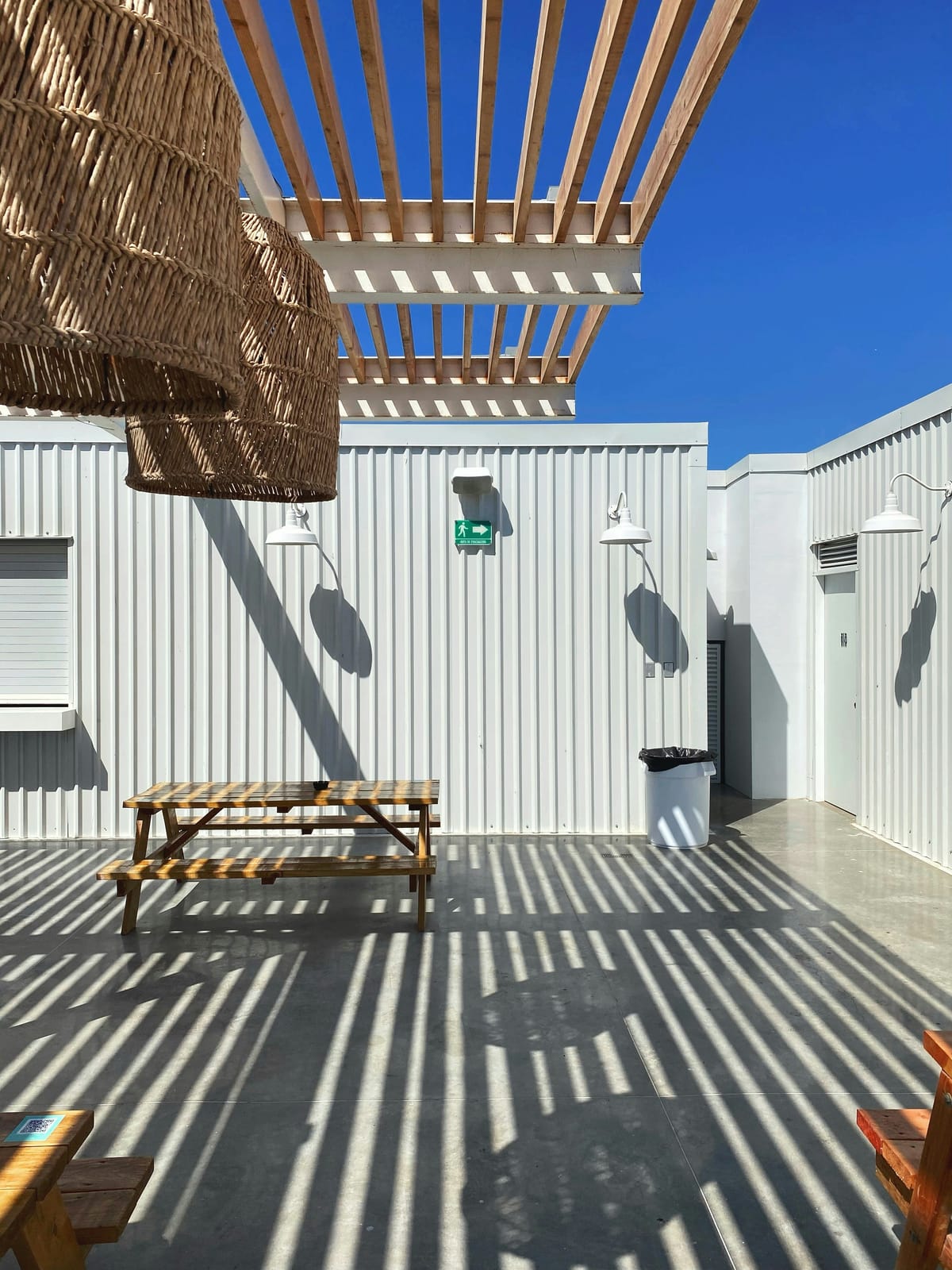
Decorative concrete projects often start with a photo. A smooth patio. A textured pool deck. A stained walkway. The finish matters, yet the project succeeds or fails based on prep, drainage, and the right finish choice for how you use the space.
This guide uses a choose-your-path structure. Start with your goal, then follow the matching path. Each path ends with bid questions and inspection checks.
Start here: define the job site
Write down these site facts before you talk to contractors:
• Location, front entry, driveway, patio, side yard, pool deck
• Sun exposure, full sun, partial shade, heavy shade
• Water exposure, sprinkler overspray, roof runoff, slope runoff
• Traffic type, foot traffic only, vehicles, rolling bins
• Existing issues, cracks, ponding, slippery surface, spalling
In the San Francisco Bay Area, microclimates change curing conditions. Coastal fog keeps slabs damp longer. Inland heat dries surfaces fast. Hills add drainage force that exposes poor slope.
Path A: You want color with a clean, simple surface
This path fits homeowners who want a refreshed look with minimal texture.
Key decisions:
• Color goal, warm, cool, or neutral
• Consistency goal, uniform tone versus variation
• Slip resistance needs, especially near entries and steps
Bid questions for Path A:
• How do you prep the surface to accept color evenly
• What crack treatment is included, and what will still show after finishing
• What sealer type is proposed, and what maintenance cycle is expected
• What slip resistance steps are included, if the surface is near a door or steps
Inspection checks for Path A:
• Color looks consistent in daylight across the whole area
• Sealer coverage looks even with no sticky spots
• Surface has traction appropriate for its use
Path B: You want texture for grip and visual interest
This path fits pool decks, sloped walkways, and patios where traction matters.
Key decisions:
• Texture depth, light texture for bare feet, deeper texture for slopes
• Pattern scale, small patterns hide stains, large patterns show alignment errors
• Edge details at steps and borders
Bid questions for Path B:
• What base and reinforcement plan is included for the slab
• How do you handle control joints within the pattern so cracking is directed
• What release agents or coloring steps are included, and how do they affect slip risk
• How do you handle drainage slope so water does not pond in low pattern areas
Inspection checks for Path B:
• Pattern alignment looks consistent
• Texture feels stable and not sharp in walking zones
• Control joints are placed deliberately and finished cleanly
• Water test shows drainage off the surface, not pooling
Path C: You want a decorative driveway or front entry that hides wear
This path fits areas with vehicle traffic, rolling bins, and frequent use.
Key decisions:
• Finish durability under tires and turning forces
• Stain and oil visibility expectations
• Edge strength at garage transitions and street aprons
Bid questions for Path C:
• What slab thickness and reinforcement plan is specified for vehicles
• What finish resists tire scuffing and staining based on expected use
• What joint plan is included to manage cracking
• What curing time and traffic restrictions are required before vehicle use
Inspection checks for Path C:
• Edges at garage and apron feel solid with no crumbling
• Surface shows consistent finish with no weak patches
• Contractor provides clear guidance for first vehicle use timing
A neutral reference for provider comparison
Decorative concrete involves many options, so you need a clean way to compare approaches. As a research reference while comparing providers, review Top Rated Decorative Concrete Contractors for San Francisco Bay Area, CA and use it to build a shortlist, then compare written prep, joint, and sealer scope line by line.
Diamond Certified.
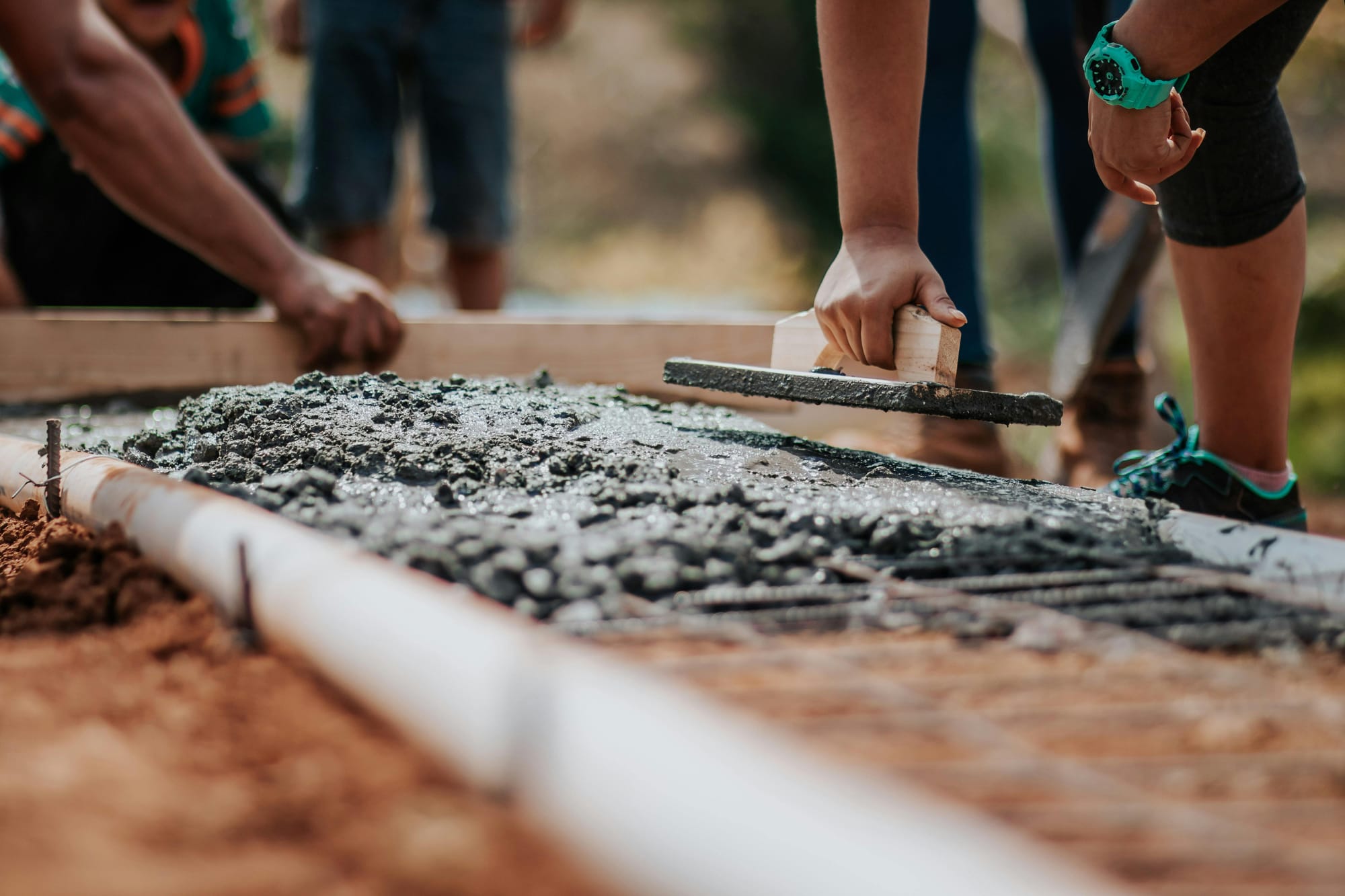
Scope items that deserve written detail for every path
No matter which path you choose, demand clarity on these items.
Surface prep
• Grinding, cleaning, patching, and crack treatment steps
• How they handle existing coatings or sealers
Drainage and slope
• Whether they correct low spots
• Where water will flow after the job
Joints and cracking plan
• Control joint layout
• How joints will look after finishing
Curing and access
• How long foot traffic should stay off
• How long rolling bins or vehicles should stay off
• Protection steps during curing, especially if fog or rain is expected
Sealer and maintenance
• Sealer type
• Reseal timing guidance
• Cleaning products to avoid
Bay Area issues that affect decorative concrete
Fog and dampness slow curing and increase surface moisture during sealing windows. Sprinkler overspray leaves mineral deposits that show on dark finishes. Hills push water toward edges and joints. Older properties often have patched slabs with mixed porosity, which affects color uniformity.
State these conditions to bidders so they plan around them.
A simple final walkthrough routine
Do this in daylight.
• Walk the full surface and note any slippery zones
• Look for color uniformity and clear pattern alignment
• Check edges and transitions at doors, steps, and gates
• Run a hose for a minute and watch drainage behavior
• Ask for written maintenance steps before final payment
Decorative concrete works best when you match finish choice to use, then lock down prep, joints, drainage, and curing in writing. That approach fits Bay Area homes where slopes, microclimates, and mixed slab