Dehumidification 101 for Coastal Maine Basements


Who this guide is for
Homeowners in Southern and Coastal Maine People planning energy upgrades, insulation, or weatherization First‑time audit customers who want lower utility costs and a healthier basement
Why Maine basements get humid
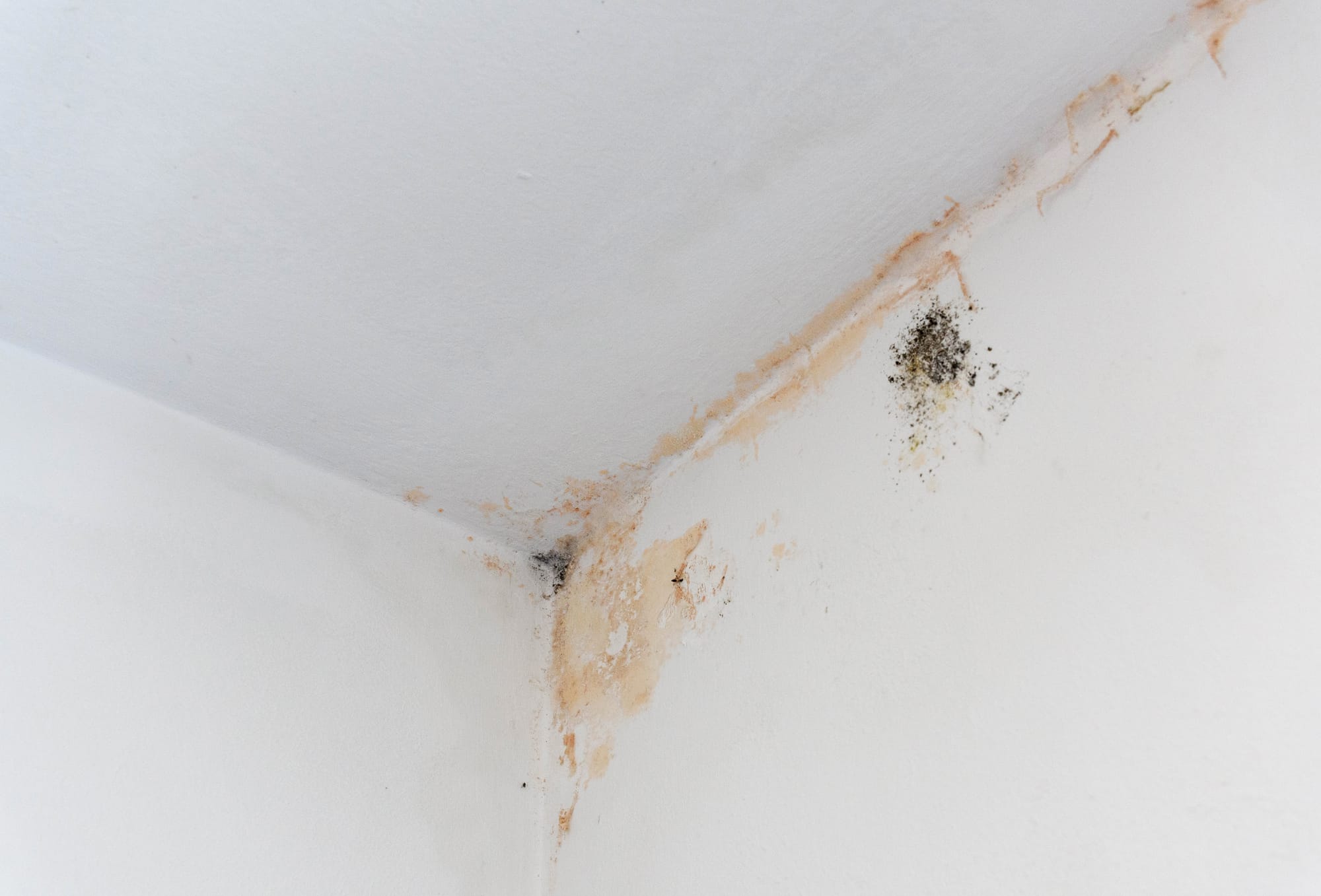
Southern and Coastal Maine has long heating seasons and short, humid summers. Fog and onshore wind carry moisture inland. Older homes in Portland, Rockland, Bath, and Camden often have stone or block foundations. Many basements have thin or missing slab sections. Some have open sumps. Soil vapor and coastal humidity enter through cracks and joints. Cold foundation walls cool indoor air. Water vapor condenses on cold surfaces. The result is damp air, musty odors, and mold risk.
What basement dehumidification does
A dehumidifier pulls moisture from basement air. Lower humidity protects framing, stored items, and mechanicals. It also helps your living spaces above. Dry air feels more comfortable and is easier to heat. In most homes, a dedicated, high‑capacity unit with continuous drain works better than a small portable. It runs quieter, needs less babysitting, and reaches target humidity across the whole space.
When you should consider dehumidification
Musty odors that return after cleaning Visible condensation on pipes or walls Rust on tools or appliances Cupping wood floors or sticky doors upstairs in summer Mold or mildew on joists, subfloor, or stored cardboard A hygrometer reading that stays above the mid‑50s percent RH
Basement dehumidification Maine basics
Use the phrase basement dehumidification maine to describe a complete approach. Dehumidification is only part of the plan. You also manage bulk water, air leaks, and insulation. When you handle the sources and the symptoms, the system runs less and lasts longer.
Dehumidification vs. portable plug‑ins
Portable room units help in a single corner. They fill buckets and need attention. They do not distribute dry air across rooms or around obstacles. A whole‑basement model connects to a drain or condensate pump. It delivers dry air through short duct runs or strategic placement. It uses efficient controls that hold a steady setpoint.
What a whole‑basement dehumidification system includes
A high‑efficiency dehumidifier sized for the basement volume A dedicated drain line to a floor drain, sump, or condensate pump Air distribution to reach remote zones and behind partitions Vibration isolation to reduce noise A reliable humidistat with a clear display Periodic filter maintenance you can do without special tools
How sizing and placement work
Units are rated by pints per day. Bigger is not always better. Correct sizing balances capacity with runtime. A right‑sized unit removes moisture quickly after storms. It then cycles at low energy use to maintain setpoint. Placement matters. Corners with poor air movement do not dry well. A short ducted return from a far room can pull damp air back to the unit. Supply air should reach the largest open area and flow around obstacles.
What target humidity should be
Aim for about 50 percent relative humidity in summer. In shoulder seasons, the setpoint may float between the mid‑40s and low‑50s. Lower is rarely needed and can waste energy. Higher leaves room for mold growth. A good control keeps swings small.
How dehumidification fits with drainage, air sealing, and insulation
Start with water management. Check gutters and downspouts. Extend leaders to daylight. Grade soil to shed water away. Fix obvious leaks. If the basement has chronic groundwater entry, address drainage before or with dehumidification.
Seal big air leaks. Gaps at the rim joist, utility penetrations, and hatch covers bring in humid air. Air sealing reduces the load on the dehumidifier. Insulate where it stays dry. Rigid foam on rim joists is common. Foam board on foundation walls, when appropriate, warms surfaces and cuts condensation. Together, these steps reduce runtime and improve comfort upstairs.
What to expect during a professional visit
A technician walks the exterior to check water management. Inside, they look for cracks, open sumps, missing hatches, and signs of mold. They measure temperature and humidity. They estimate basement volume and factor in partitions. They recommend a unit, placement, and any small duct runs. They set a drain path and test operation. Before leaving, they review setpoints and simple maintenance steps.
Signs the plan is working
Humidity holds steady around the target Musty odors fade within days Condensation on pipes and tanks disappears Stored items stay dry and clean Your main level feels less sticky on humid days The unit cycles without constant full‑speed operation
Common questions in Southern and Coastal Maine
Will a dehumidifier raise my electric bill Units use power, but they can lower overall energy use. Dry air is easier to heat. Your basement stays warmer in winter with dry, insulated surfaces. Many homeowners in Brunswick, Bath, and Wiscasset see steadier comfort with little or no net cost increase.
Do I still need to seal the rim joist Yes. Air sealing reduces the moisture load entering from outside. It also stops cold drafts in winter. It makes the dehumidifier’s job easier.
What about portable units from the big box store They can help in a small room. They struggle in large, segmented basements. Buckets fill and stop the unit. That lets humidity rise again. A dedicated system avoids this cycle.
Do I need ducts Short ducts help when the basement has many rooms. A simple return from a distant area improves circulation. In open basements, smart placement may be enough.
How often should I service the unit Clean or change filters per the manufacturer schedule. Check the drain line at the start of the season. Vacuum intake grills if dusty. A quick check every month or two keeps performance strong.
Realistic examples from Maine homes
Portland and Falmouth. A 1950s basement with a partial slab shows 65 percent RH in July. After gutters and downspout extensions, a high‑capacity unit with a drain to the sump holds 50 percent. Musty odors in a first‑floor closet fade. Winter comfort improves because the rim joist is sealed and insulated during the same visit.
Rockland and Camden. A coastal home with a divided basement stays damp behind a workshop wall. A ducted return pulls air from the far room. The supply directs dry air to the largest open area. RH drops from the 60s to the low‑50s. Tools stop rusting and the boiler cabinet stays dry.
Bath and Brunswick. A 1920s foundation shows condensation on the water tank and cold supply piping. A small rigid foam wrap on the tank and pipes reduces sweating. A right‑sized dehumidifier removes the rest. The family reports less odor and a warmer playroom over the basement in winter.
York, Wells, and Kennebunk. Foggy summer mornings push humidity through open bulkheads and hatch covers. Gaskets and secure latches stop the airflow. A dehumidifier with an outdoor‑rated condensate pump drains to daylight. The unit cycles at low speed and holds 50 percent RH.
Saco, Scarborough, and Belfast. Homes near the water see wind‑driven moisture. Short duct runs help move dry air to laundry rooms and storage corners. Doors can stay closed without humidity building up. Stored textiles stay clean.
How basement dehumidification supports the rest of your home
Dry basements reduce mold spores and odors that rise into living spaces. HVAC equipment lasts longer in dry air. Ducts sweat less. Floors stay flatter. Paint and finishes last longer. If you plan attic insulation or air sealing, controlling basement humidity complements those upgrades. Your whole house feels more even and quiet.
What basement dehumidification costs
Pricing depends on capacity, ducting needs, and drain path. The total often includes a dedicated outlet and minor carpentry for placement. Many homes qualify for paired work that improves value. Examples include rim joist insulation and small air sealing tasks. A good proposal lists the unit model, capacity, warranty, and maintenance steps. Ask for projected humidity targets so you know what to expect.
Rebates and incentives
Programs change. Incentives often favor comprehensive upgrades over single products. Pair dehumidification with air sealing, insulation, or a home energy audit to unlock better support. A local provider can explain current options for towns like Saco, Scarborough, Falmouth, and Brunswick.
How to choose a provider
Look for experience with older basements and coastal conditions. Ask how they size equipment and design air distribution. Ask if they check gutters, grading, and rim joist leakage. Ask for photos of similar work in your area. Make sure they explain setpoints, filters, and seasonal checks in plain language.
Why work with Evergreen Your Home
Evergreen Your Home has offices in Portland at 190 Riverside St. and in Rockland at 315 Main Street. Crews have completed projects in nearly 200 Maine communities, including Portland, Rockland, Kittery, York, Wells, Kennebunk, Saco, Scarborough, Falmouth, Brunswick, Bath, Wiscasset, Damariscotta, Rockport, Camden, and Belfast. The team designs whole‑basement dehumidification solutions that match the size and layout of your home. They also pair dehumidification with air sealing, insulation, and moisture fixes so results last.
If you want a clear description of scope and options, start with Evergreen Your Home’s dehumidification service for Maine basements.
How a visit with Evergreen works
Listen and inspect. You walk the space and describe issues. The tech notes odors, rust, and visible moisture. Measure. The team records temperature and humidity and checks air leaks. Design. You review capacity, placement, and drain options that fit your basement. Install. The unit, drain, and any ducting are set and tested. Filters and controls are reviewed with you. Follow up. You get photos and a simple care plan.
Benefits you can expect
Lower humidity and fewer odors Less condensation on tanks and ducts Quieter, cleaner storage areas More stable indoor humidity upstairs Improved comfort in rooms over the basement Longer life for HVAC and appliances
Basement dehumidification maine and energy savings
Dry air reduces the latent load in your home. Your heating system faces fewer moisture swings. If you use a heat pump, dry air improves coil performance. When paired with air sealing and insulation, many homes see total energy use flatten or drop even with a new dehumidifier running. The key is a complete plan, not a single gadget.
Simple steps you can take today
Buy a reliable hygrometer and check your basement weekly through summer Extend downspouts at least several feet from the foundation Seal the bulkhead and hatch covers with gaskets and latches Add pipe insulation to sweating cold lines Clean dehumidifier filters on schedule Keep cardboard off the floor; use shelves and plastic bins
Next steps for Southern and Coastal Maine homeowners
If your basement feels damp or smells musty, measure humidity this week. If readings stay above the mid‑50s, consider a professional solution. You can learn about whole‑basement options and scheduling by reviewing Evergreen Your Home’s dehumidification service in Maine. If you want help tying dehumidification to a bigger efficiency plan, ask about a home energy audit during the same visit.
Ready to get started
You can request an evaluation and system design from Evergreen Your Home’s team of local specialists. The process is simple. The results are clear. Your basement and the rooms above will feel better year‑round.