East Bay Outdoor Living Guide: Design, Build, Drain, Plant

A yard upgrade feels exciting at the start. Then choices pile up. Pavers or poured concrete. Drip or spray. Shade structure or umbrella. Plant list or full redesign.
In the East Bay, microclimates shift fast. A yard in Orinda feels different from a yard in Walnut Creek. Wind, shade, and soil type change what works. Drainage also matters on hills and clay.
This guide helps you plan an outdoor living project with clear steps and fewer regrets.
Start with use, not features
Features look great on paper. Use drives satisfaction.
Write down how you want to use the space:
• Weeknight dinner outside
• Kid play zone with clear sight lines
• Low-mess dog area
• A quiet corner for reading
• Space for hosting, with a clear path from kitchen to table
Then rank your top two uses. Let those two uses drive the layout.
Build a simple site plan
You do not need fancy software. A tape measure and a sketch pad work.
Measure:
• Door locations and step heights
• Existing patio edges
• Fence lines and gate widths
• Utility locations, such as gas meters, hose bibs, and electrical panels
• Tree canopy lines and trunk locations
Mark where sun hits at 9am, noon, and late afternoon. Shade changes a lot between seasons.
Drainage first, then surfaces
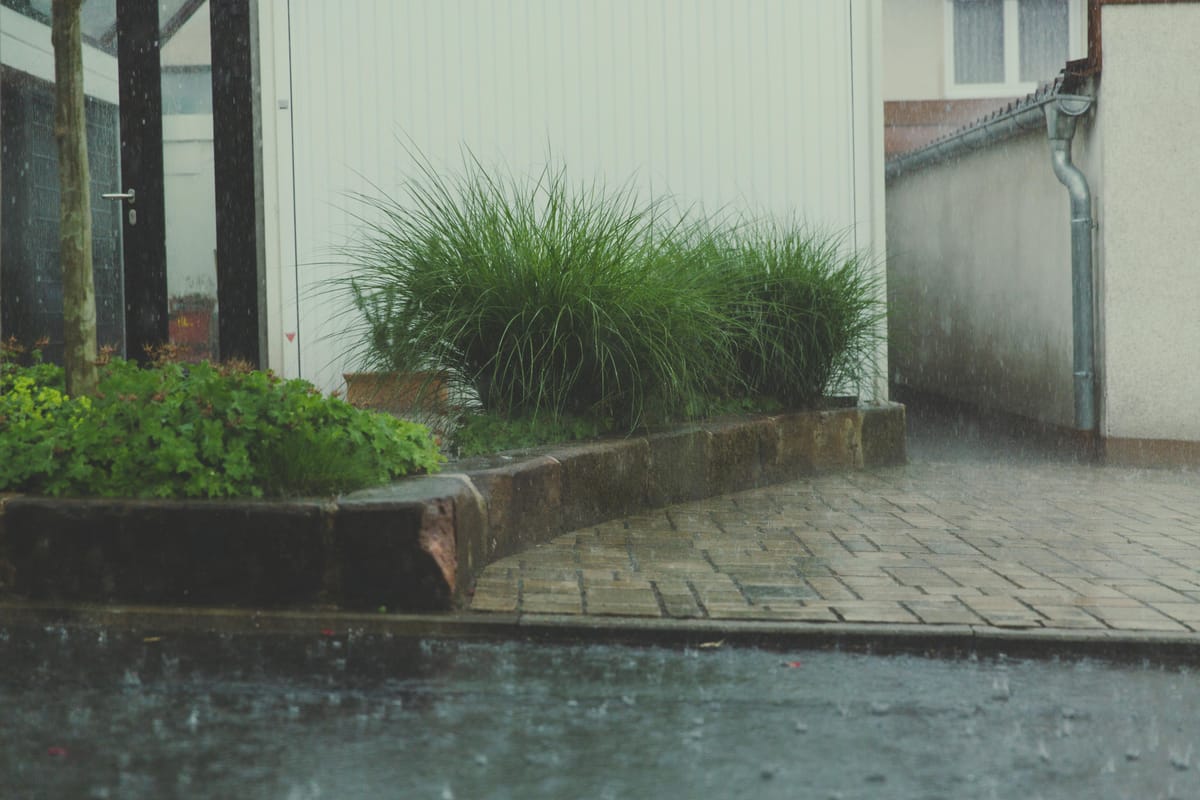
Outdoor projects fail when water control gets skipped. Plan the water path early.
Common water problems
• Downspouts dumping onto a patio edge
• Side yards that hold water near the home
• Planters that overflow into walkways
• Slopes that send runoff toward a garage
Ask where water goes during a winter storm. Then ask where irrigation water goes during summer.
Tools that move water safely
• Regrading to guide flow away from structures
• Catch basins and solid pipe runs to a safe discharge point
• Channel drains along patio edges and thresholds
• Subsurface drains in soggy planting zones
Ask for discharge locations in writing. Ask for cleanout access points so future maintenance stays simple.
Hardscape choices: patio, paths, and steps
Hard surfaces define how you move and where you sit.
Patio planning checks
• Keep a clear path from door to trash area and grill area
• Plan a flat landing zone at each exterior door
• Leave room for chair pull-out behind a dining table
• Plan edging that keeps soil from washing onto the surface
Base prep matters
Ask for base details:
• Excavation depth
• Compaction method
• Base rock type and thickness
• Edge restraint method
• Joint material and finishing
A clean base plan prevents wobble and settling.
Steps and grade changes
If your yard has grade changes, ask about step riser height consistency. Uneven steps create trips. Also ask about handrail needs and lighting.
Decks, arbors, and patio covers: shade and structure
Shade makes outdoor areas usable in summer. Structure also adds load and water issues.
Ask about these structural details
• Footing depth for your soil type
• Post base hardware that keeps wood off concrete
• Ledger flashing details where a deck ties into a home
• Roof runoff plan for patio covers
If the project includes a pergola or arbor, ask how the design handles wind. Exposed hillsides see higher gusts.
Outdoor kitchens and fire features: plan utilities early
Outdoor kitchens feel simple until you plan gas, power, and drainage.
Before you pour concrete or set pavers, map:
• Gas line route or fuel storage plan
• Electrical conduit route for outlets and lighting
• Water line route if a sink is part of the plan
• Drain plan if a sink ties into plumbing
• Clearances from fences, trees, and overhangs
Also plan where grease and ash get handled. A tidy cleanup zone keeps the space pleasant.
Water features and fountains: think about access and algae
Water features add sound and calm. They also add maintenance.
Ask about:
• Pump access for service
• Filter placement
• Overflow routing during storms
• Sun exposure, since full sun drives algae growth faster
• Electrical protection and shutoff access
If you travel often, ask how the feature handles low attention periods.
Planting: match to microclimate, soil, and lifestyle
Plants finish a project. They also drive ongoing work.
Start with three site facts:
• Sun hours in summer and winter
• Wind exposure
• Soil drainage speed
Then match plants to your lifestyle. If you travel, pick plants with lower daily water needs and a forgiving watering window.
Soil prep and irrigation support plant success
Ask for:
• Soil amendment plan by zone
• Mulch depth and type
• Tree staking method and removal plan
• Establishment watering notes for the first year
Ask the crew to keep mulch off trunks. Trunk rot starts with constant moisture.
Irrigation: plan for service access
Irrigation problems feel small until you chase a leak underground.
Ask for:
• Valve box placement with easy access
• A master shutoff, if the system design supports it
• Drip filter access and flush ends
• A controller label plan that matches zones
Also ask about pressure regulation. High pressure stresses drip fittings and spray heads.
Lighting: safety and comfort
Outdoor lighting helps you use the space after dark. It also improves safety on steps and paths.
Plan lighting layers
• Path lighting for walking routes
• Task lighting for cooking and grilling
• Accent lighting for trees or a feature wall
• Step lighting where grade changes exist
Ask where transformers sit and how wires stay protected.
Permits and inspections: plan for the city
Outdoor work triggers permits in many cities, especially for retaining walls, decks, patio covers, and new gas or electrical.
Ask early:
• Which parts of the scope need permits in your city
• Who pulls permits
• What inspections occur, and when
Keep a simple folder for plans, permits, and inspection sign-offs.
How to compare outdoor project bids
Outdoor bids vary because scope varies.
Compare these items
• Written drainage plan and discharge locations
• Base prep details for hard surfaces
• Structural details for decks and covers
• Utility trenching notes for gas, water, and power
• Plant list with sizes and soil prep plan
• Irrigation equipment list and zone plan
• Cleanup and haul-away plan
• Protection plan for existing trees and roots
Ask what happens if crews find poor soil or hidden old debris. Some yards hide old concrete and roots.
Use neutral report pages while you compare providers
Third-party profiles help you cross-check stated service categories and patterns in homeowner feedback. Keep your process neutral.
While you compare outdoor construction providers, some homeowners review Dana Lund Landscaping, LLC as one example of a provider profile page while they gather bids and compare scope language.
You also get value from an outdoor environment design profile to confirm the types of projects a firm lists, then you match that list to your own plan.
Later, scan an irrigation and drainage project scope from the report page while you compare bids, then focus on discharge locations, access points, and staging plans.
Staging and schedule: plan the messy middle
Outdoor projects move a lot of material. Pavers, soil, lumber, and plants arrive on different days.
Ask:
• Where deliveries land
• How crews protect fences, gates, and driveways
• Where plants get stored so roots stay moist
• How trenches stay safe during evenings and weekends
A staging plan reduces damage and keeps the site safer.
Privacy and boundaries: fences, screens, and neighbor lines
Outdoor comfort often depends on privacy and clear edges.
Ask about:
• Fence condition and any replacement scope
• Plant screens that fit sun and water conditions
• Gate widths for maintenance access
• Drainage at fence lines so water does not rot posts
• Property line clarity before you build close to a boundary
If you plan a fire feature near a fence, ask about clearances and surface protection. Keep the plan grounded in safety.
Maintenance planning: keep the new space working
A finished yard needs a light routine.
Plan for:
• Clearing drain grates before the first major storm
• Seasonal irrigation adjustments
• A yearly drip filter check and flush
• Mulch refresh on a schedule that fits your sun exposure
• A quick storm walk to spot new runoff paths
Write these tasks on a calendar.
Final walk-through checks that matter
Test function.
Drainage
• Run a hose and watch flow
• Confirm water moves away from doors
• Confirm drain outlets run clear
Irrigation
• Run each zone and check for leaks
• Confirm drip fittings stay dry
• Confirm controller labels match zones
Surfaces and structures
• Walk every edge and look for wobble
• Check step lighting at dusk
• Confirm railings feel solid where present
Plants
• Confirm tree root flares sit above soil level
• Confirm mulch stays off trunks
• Confirm watering notes fit your sun exposure
Take photos of valve boxes, drain cleanouts, and buried conduit paths before final soil cover. Store them with your project folder.
Outdoor living works when details support daily use
A strong outdoor project starts with water flow and ends with tested function. You get fewer regrets when you plan utilities early and write scopes that name the hidden parts.
Stay practical. Stay calm. Your yard will reward the effort.