Exterior Painting in the Bay Area: Prep That Holds Up


Exterior paint is not only about appearance. It is a protective layer that fights sun, moisture, and movement. When an exterior paint job fails, it often fails at edges. Window trim. Fascia boards. South-facing walls that bake in summer. Shaded sides that stay damp through winter. Your job as a homeowner is to push the scope toward prep and moisture control, not only color.
What an exterior painting scope should cover
A typical exterior painting scope includes:
- Surface washing and cleaning
- Scraping and sanding loose paint
- Priming bare wood or repaired areas
- Caulking gaps at joints and trim
- Repair of minor wood damage, if included
- Painting siding, trim, doors, and sometimes gutters and downspouts
- Staining fences or decks when needed
On the Unique Painting Services report page, the scope includes interior and exterior painting plus specialized work like wood preservation, staining, and drywall repairs. That mention of wood-focused work is useful for Bay Area exteriors, where sun, fog, and salt air wear wood fast.
Start with the microclimate map around your house
Walk the exterior and divide it into exposure zones:
- Full sun walls, often south and west
- Shaded walls behind trees and fences
- Areas near sprinklers or soil splash
- Roof drip lines and gutter overflow zones
- Coastal exposure zones where wind and salt air reach surfaces
In Marin and coastal North Bay areas, fog and wind-driven moisture linger on the shaded side of a home. In inland valleys, heat drives expansion and contraction that cracks caulk and opens joints. Those patterns determine where prep needs extra attention.
Older homes and mixed materials, common in the Bay Area
Many Bay Area neighborhoods include homes from multiple eras. One house might include:
- Old-growth wood siding on the original structure
- Stucco on a later addition
- Fiber cement repairs from a previous update
- Replacement windows with different trim materials
Each material needs a compatible prep and primer plan. Ask the painter to name surfaces and match the prep steps to each surface type, not one blanket plan.
Prep, the real job
A high-quality exterior job is prep-heavy. The finish coats are the last step, not the main event.
Ask for these prep details in writing:
- How peeling paint gets removed, including feather sanding for smooth transitions
- Whether chalking paint gets addressed, since paint will not bond well over chalk
- How mildew and algae get treated, not only washed
- How glossy or previously coated surfaces get scuffed for adhesion
- How cracks in stucco or trim seams get handled
If the scope only says “prep as needed,” press for specifics. You do not need a novel. You need a checklist.
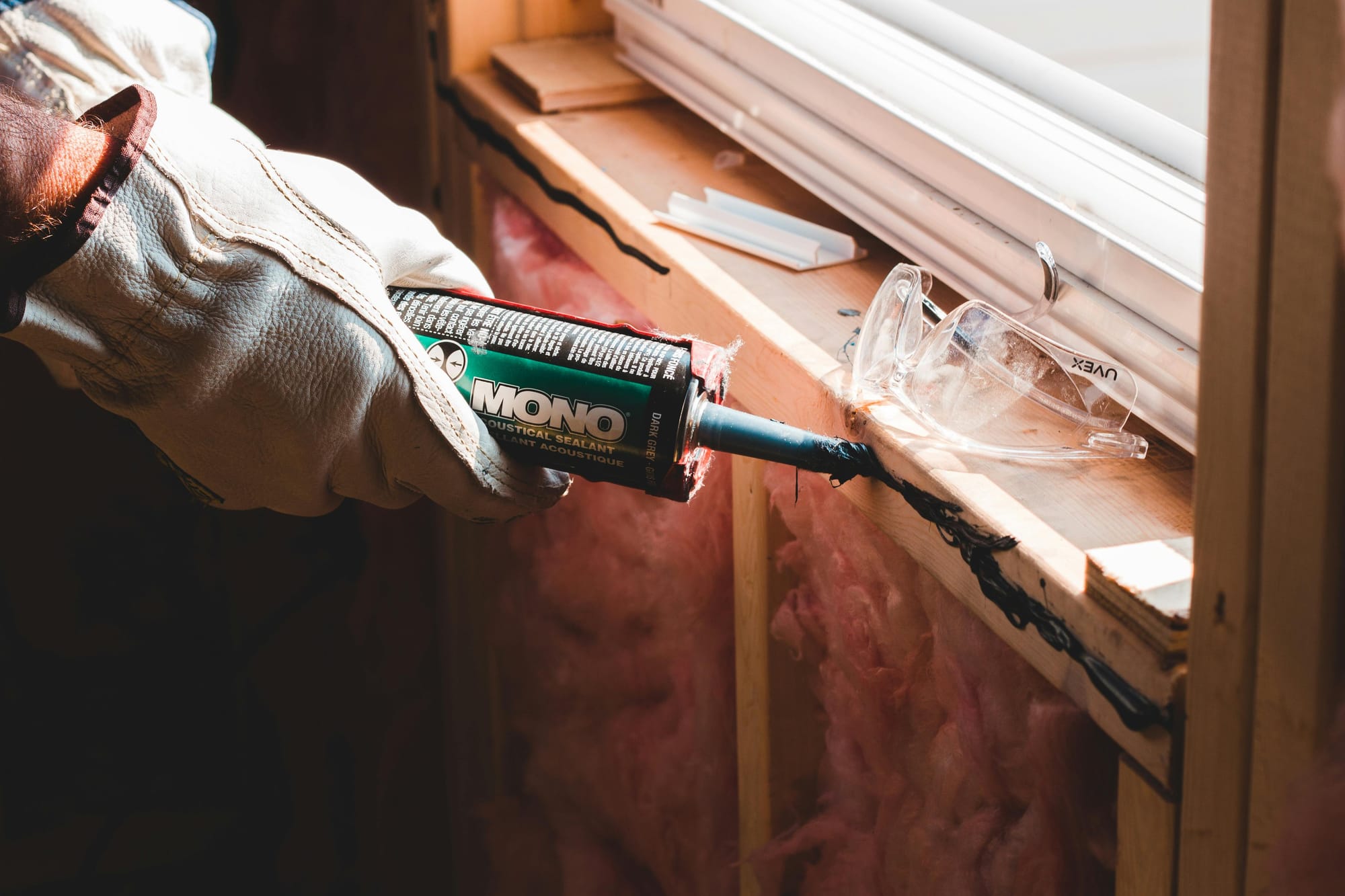
Caulk, the quiet failure point
Failed caulk invites water, then rot. A paint job that ignores caulk work often looks fine for a year, then cracks appear.
Ask:
- Which joints get re-caulked
- Whether old failed caulk gets removed or only patched
- What caulk type is used for exterior joints
- Whether gaps are too large for caulk and need backer rod or carpentry repair
Also ask how they handle horizontal surfaces like window sills. Water sits there, so prep and sealing matter.
Wood preservation and staining decisions
Wood elements often need different products than siding paint. Decks, fences, and exposed beams face heavy sun and water.
Decide:
- Paint versus stain for fences and decks
- Transparent versus solid stains based on wood condition
- Whether water repellents or wood preservative steps are included where appropriate
If your fence has uneven sun exposure, stain selection affects how patchy it looks over time. Ask the painter to point out the high-wear sections and propose a product plan for those areas.
Repairs and termite or rot findings
Exterior prep reveals damage that was hidden under paint. Termite damage, soft trim, and rot at sill corners are common findings.
Set a simple approval rule:
- The painter documents the damage with photos
- You receive a written description of the repair option
- Work proceeds after you approve the change
That rule prevents scope drift and keeps your budget decisions in your hands.
Color and sheen, chosen for durability
Exterior sheen influences durability and appearance.
- Flat hides flaws yet holds dirt more easily
- Satin sheds water and cleans easier, yet highlights surface texture
If your home has older siding with texture and patchwork, a high sheen will spotlight every transition. If your home sits near busy roads, a washable finish reduces grime buildup. Use samples on the most exposed wall, then check during morning shade and afternoon sun.
Scheduling around Bay Area weather
Exterior paint needs dry surfaces and reasonable cure conditions. Rain, fog, and heavy dew change that.
Build a schedule that includes:
- A buffer for foggy mornings and damp shade
- Clear rules for pausing work after rain
- A plan for protecting exposed primer or bare wood if weather shifts
In coastal areas, moisture sticks around longer even when the forecast shows no rain. In inland areas, afternoon heat affects application and drying time. Ask the painter how they adjust start times by season and location.
Property prep, what you do before the crew arrives
A smooth project starts with homeowner prep.
- Trim back shrubs from siding to give the crew working space
- Move outdoor furniture and grills away from walls
- Turn off irrigation near the work zone during painting days
- Identify exterior outlets and water spigots the crew will use
- Flag delicate plants and garden features
If you have pavers, outdoor lighting, or drip lines near the foundation, point them out during the walk-through.
The final exterior walk-through
Do the final walk in daylight, then again in side light if possible. Look for:
- Missed edges under eaves
- Thin coverage on textured surfaces
- Drips on trim corners
- Overspray on windows, hardware, or concrete
- Rough transitions where old peeling paint was not feathered
Ask for a written touch-up list and a date for completion. Also ask for leftover labeled paint for future touch-ups, including which wall or trim each can matches.
Questions to compare painting contractors
Use these questions to compare bids on equal ground:
- Which prep steps are included for each exterior surface
- How mildew, chalking, and peeling paint are addressed
- Which joints get re-caulked, and with what materials
- How wood damage gets handled when found
- Which areas get primed, and what primer is used
- How they protect landscaping and hardscape
- How the punch list and touch-ups work
Exterior painting is a durability project. When the scope is detailed around prep, moisture, and repairs, the finish holds up better across the Bay Area’s mix of fog, sun, wind, and older housing stock.