Hiring In-Home Care and Maintenance for Seniors A Health Safety Checklist

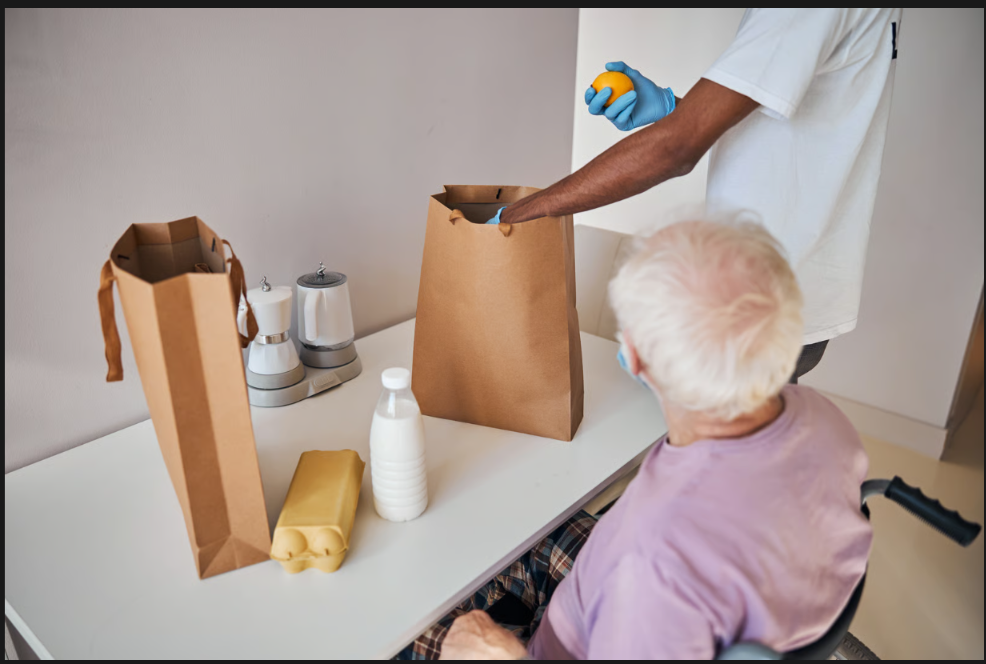
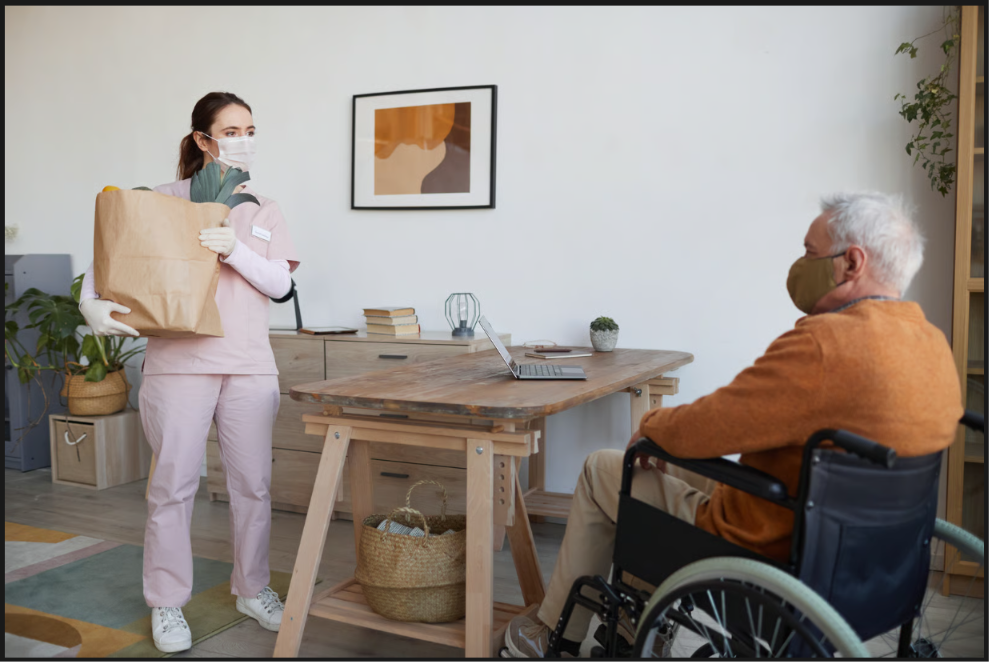
For caregivers, protecting elderly family members at home means more than arranging medical care. Everyday services—like plumbing, electrical work, or appliance repair—can introduce risks if providers don’t follow proper health safety protocols. Seniors, especially those with weakened immune systems, need extra precautions when outsiders enter their living space.
Why Safety Standards Matter for Seniors
Older adults are more vulnerable to respiratory illnesses and infections. Even routine maintenance visits can pose risks if contractors fail to wear protective gear or sanitize properly. That’s why caregivers should treat health safety as a priority when hiring in-home service providers.
Why Caregivers Should Research Providers Before Hiring
Before scheduling a service, ask:
- Do workers follow masking protocols when requested? Respectful compliance is key.
- Are staff trained in sanitation and infection control? Training ensures consistent practices.
- Can the company provide proof of health safety standards? Certification or documentation builds trust.
- Do they adapt during viral surges? Flexible policies show awareness of community health trends.
Practical Things to Check Before Choosing a Company
- PPE use: Gloves, masks, and shoe covers should be available when entering a senior’s home.
- Surface disinfection: Ask how technicians clean tools and work areas before and after service.
- Ventilation awareness: Providers should avoid creating dust or poor airflow in enclosed spaces.
- Clear communication: Companies should explain their safety measures upfront.
Finding Verified Options
Families can reduce stress by using trusted directories that highlight safe in home services for seniors. These resources help caregivers identify providers who meet recognized health safety standards, making it easier to choose companies that respect the needs of vulnerable loved ones.
Additional Tips for Caregivers
- Prepare the home: Designate one clean area for service providers to work in.
- Request written safety commitments: A checklist ensures accountability.
- Observe practices: Watch for proper PPE use and respectful handling of household items.
- Balance urgency with safety: Even emergency repairs should follow basic health protocols.
Conclusion
Hiring in-home services for seniors requires more than comparing prices—it’s about protecting health. By asking the right questions, checking certifications, and using reliable resources, caregivers can ensure that service providers follow strict safety measures. With preparation, families can feel confident that their loved ones remain safe while receiving the care and maintenance they need.