Home Window Film Choices for Los Angeles Sun


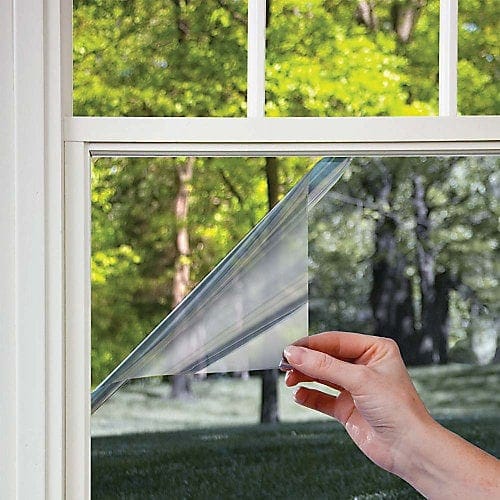
Home window film often enters the conversation after one room starts to feel hard to live in. A west living room holds heat late into the evening. Morning glare hits a laptop in a home office. A street facing front room feels exposed after dark. Many homeowners pick a tint based on color, then regret the reflectivity, the night privacy tradeoff, or the way the room feels once the light level drops.
Los Angeles adds its own variables. Neighborhoods sit near the coast, in foothills, and in hotter inland pockets. Homes range from older stucco and single pane windows to newer builds with dual pane glass and factory coatings. A good decision starts with a window list and a goal list, then a film type that matches each space.
Room goals first, film second
Write a short goal list for each room. Keep it blunt.
• Reduce glare on screens and TVs
• Reduce heat load on west and south glass
• Keep rooms bright without harsh hotspots
• Add privacy for street facing windows
• Reduce fading on floors, rugs, and furniture
• Add glass safety for doors, sidelights, and low glass
Then label each window by exposure, east, south, west, north. Add a note for the “hard hour,” the time when glare or heat hits the worst. A film that feels fine at noon might feel wrong at 4 p.m. on west glass.
Build a window inventory that installers must follow
A quote stays vague if the window list stays vague. Write down:
• Window location and approximate size
• Single pane or dual pane
• Any existing tint, film, or heavy scratching
• Sliding doors, skylights, and odd shapes
• Any Low E markings on the glass
• Any HOA limits on exterior reflectivity or appearance
This list prevents a common issue, one installer prices a full set of windows, another assumes fewer panes, and the “cheaper” quote is not the same job.
Film types, what each one solves
Most residential film choices fit into a small set of functional groups. The names vary by brand, so focus on what the film does.
Neutral solar control film
This option targets heat and glare reduction with a softer look. It often fits living rooms where you still want daylight and a normal exterior appearance.
Reflective solar film
This option increases reflectivity and often increases daytime privacy when the outdoors stays brighter than the interior. Reflectivity changes the exterior look, so street facing homes and HOAs need extra attention here.
Dual reflective film
This option aims for a less reflective exterior while keeping stronger reflectivity on the interior side. It often fits homeowners who want some daytime privacy and sun control without a mirrored daytime look.
Nearly clear heat control film
This option targets heat and UV control with minimal visible change. It often fits homeowners who want comfort changes without a tinted look, especially on front elevations where appearance matters.
Decorative and frosted privacy film
This option targets privacy while keeping light. It fits bathrooms, entry sidelights, and glass where view is not a priority.
Blackout film
This option blocks light. It fits a few use cases, such as a media room with no view priority. Many bedrooms do better with a shade system instead, since blackout film removes the option of a clear daytime view.
Safety and security film
This option aims to hold glass together after impact. It matters on doors, sidelights, and low glass near walkways. Ask about film thickness and edge attachment details, since the edges often decide how the film performs when glass breaks.
Day privacy and night privacy work differently
A frequent regret shows up after the first evening. Daytime reflectivity helps privacy when the outside is brighter than the inside. At night, interior lights reverse that condition. The room becomes the bright box, and privacy drops.
Plan privacy with the real schedule of the room.
• Bedrooms often need a night plan, film plus shades or drapery
• Street facing front rooms often need layered privacy, film plus a light filtering shade
• Bathrooms often fit frosted film plus a simple shade for flexibility
If your goal is privacy plus daylight, ask for a plan that separates day use from night use. A single film rarely solves both without tradeoffs.
Heat and glare in Los Angeles, choose by exposure
Los Angeles sun and sky brightness create different problems on different orientations.
• West: late day heat and low angle glare, often the hardest exposure
• South: strong mid day sun, often steady heat load
• East: bright morning glare, often a screen problem
• North: lower direct sun, often a privacy or softness goal
Use that exposure map to assign film type. For example, a nearly clear heat control film might fit a south facing kitchen where you want daylight, while a stronger glare focused film might fit a west home office.
Glass type checks that protect the project
Film selection should match the glass. Dual pane windows and factory coatings change how heat behaves in the glass system. Ask each installer for a glass assessment step that includes:
• Confirmation of single pane vs dual pane
• Identification of factory coatings
• A plan for older glass with scratches or chips
• Any windows they recommend excluding due to glass condition
If a provider skips the glass check and jumps straight to a film pitch, the proposal is incomplete.
Installation details that affect long term results
Homeowners usually judge film by what they see at the edges. The install process decides that finish.
Ask for scope details in writing.
• Surface prep steps, including frame and sill cleaning
• Protection for floors and nearby furnishings
• Edge trimming approach around gaskets and stops
• Plan for screens on operable windows
• Cleanup plan and slip control, since water is part of install
• Cure timeline and cleaning rules
Also ask how they handle uneven openings and older trim. Many Los Angeles homes have mixed eras of windows, original openings with later retrofit frames. Good trimming and careful prep keep the job from looking patchy.
Special situations, sliders, skylights, and doors
Large openings and moving parts need extra planning.
• Sliding doors need attention to handle clearance and edge gaps
• Skylights need a plan for access and consistent appearance from below
• Doors and sidelights need a safety discussion, especially on tempered glass
Ask whether the installer plans different film types for these zones. Treating every pane the same is easy for quoting, yet it often fails the real use pattern of the home.
How to compare proposals without guesswork
Make every bidder answer the same checklist, window by window.
Window list, location, size, glass type
Film type per window group, neutral, reflective, dual reflective, nearly clear, frosted, safety
Expected room outcome, glare control, heat control, privacy goal
Exterior appearance notes, reflectivity expectations
Installation scope, protection, trimming, screen handling
Cure and care plan
Warranty scope and exclusions
For a neutral research reference while comparing providers, review a local overview such as Home Window Tinting Los Angeles to see how providers group film types and describe scope categories.
Final walkthrough checks before sign off
Do a slow review in daylight. Look from multiple angles.
• Clean, consistent edges
• No long debris lines trapped under film
• No lifted corners
• No creases
• Smooth window operation after reinstalling screens
A window film plan feels simpler when you treat each window as a function problem first, then choose film type and shade based on exposure and room use. In Los Angeles, that method helps you avoid a tint choice that looks fine from the curb yet feels wrong inside the home.