How to Choose a Property Manager for Bay Area Rentals


Rental property problems rarely arrive in a neat package. A tenant reports a leak on a Saturday. A neighbor complains about noise. A city notice lands in your mailbox. If you live far from the property, stress climbs fast. Even if you live nearby, you still need a system that keeps the home safe, compliant, and occupied without constant back-and-forth.
Property management works best when you treat it like a process, not a person. A manager coordinates details, but you set the rules, the budget, and the standards. The more you define upfront, the fewer surprises you face later.
What property management includes
Most owners think about rent collection first. Good management covers more ground.
• Leasing tasks like marketing, showings, screening, and move-in paperwork
• Ongoing operations like maintenance requests, vendor scheduling, and inspections
• Financial tasks like rent processing, owner statements, and year-end documentation
• Compliance tasks like notices, habitability standards, and fair housing basics
• Problem response when a tenant calls after hours
When you compare providers, ask which parts they handle in-house and which parts they route to outside vendors. You want clarity, not a vague promise.
Start with your ownership goals
Before you meet any manager, write down what success looks like for you. Keep it simple.
Your desired tenant profile, such as long-term renters or short-term stays
Your comfort level with vacancy, rent increases, and lease length
Your maintenance priorities, such as preventive work versus fix-on-fail
Your budget approach for repairs and upgrades
Your communication needs, including how often you want updates
Short-term rental management adds extra moving parts. The manager often handles turnover, cleaning schedules, supply restocks, and guest messaging. Traditional long-term rentals emphasize screening, lease enforcement, and maintenance planning. Some firms list short-term options, such as Airbnb property management, alongside apartment management and rent collection, so ask how they separate workflows for each type.
Ask for a clear management agreement
A management agreement acts as your rulebook. Read it line by line. Focus on these areas.
• Authority limits: what the manager approves without asking you
• Repair thresholds: the dollar limit for maintenance approvals
• Emergency definitions: what counts as urgent and who they call first
• Lease signing rules: who approves lease terms and renewals
• Tenant communication: how they log requests and document outcomes
• Fees and add-ons: what triggers extra charges beyond the base fee
Ask for sample reports and a sample owner statement. If the firm uses software, ask for a tour of the owner portal and the tenant portal. Some managers use platforms such as AppFolio for rent processing and maintenance tickets, which helps create a paper trail. The key detail is consistency, not the software brand.
Maintenance and repairs without drama
Maintenance makes or breaks the owner experience. In the Bay Area, moisture and salt air near the coast, hot attics inland, and older plumbing and wiring in legacy housing stock raise the stakes.
Ask how the manager handles three common scenarios.
Routine small work
Small items pile up fast, such as leaky faucets, broken outlets, and sticky windows. Ask how the manager groups minor items into a single vendor visit. This approach saves time and reduces repeated scheduling.
Hidden damage
A simple leak often reveals rot, mold, or framing damage in older homes. Ask how the manager documents findings with photos, writes a scope, and gets approval before work expands. A manager who works with out-of-state owners needs a clear approval workflow, since you do not stand on site.
Recurring problems
A tenant reports the same issue each month, such as a slow drain or a tripping breaker. Ask how the manager tracks repeat tickets and pushes for a root-cause fix instead of endless patches.
Also ask about vendor selection.
• Do they keep a regular vendor list, or do they shop each job?
• Do they collect multiple bids over a defined threshold?
• Do they mark up vendor invoices, or pass them through at cost?
• Do they verify licenses and insurance for trades that require them?
Rent collection and owner reporting
Owners need predictable reporting. Ask these questions.
• When do they process rent and late fees?
• How do they handle partial payments?
• How do they enforce the lease without escalating conflict?
• What owner reporting do you receive, and on what schedule?
• How do they handle security deposit accounting at move-out?
Ask for a sample monthly package. Look for a clean layout, clear categories, and supporting documentation for expenses. If you manage taxes with an accountant, ask for a year-end summary format that aligns with common tax categories.
Leasing and tenant standards
Tenant screening affects your long-term workload. Ask how the firm handles:
• Income verification and employment verification
• Credit and background screening
• Reference checks from prior landlords
• Fair housing compliant criteria, written and applied consistently
• Lease terms that match local norms and property type
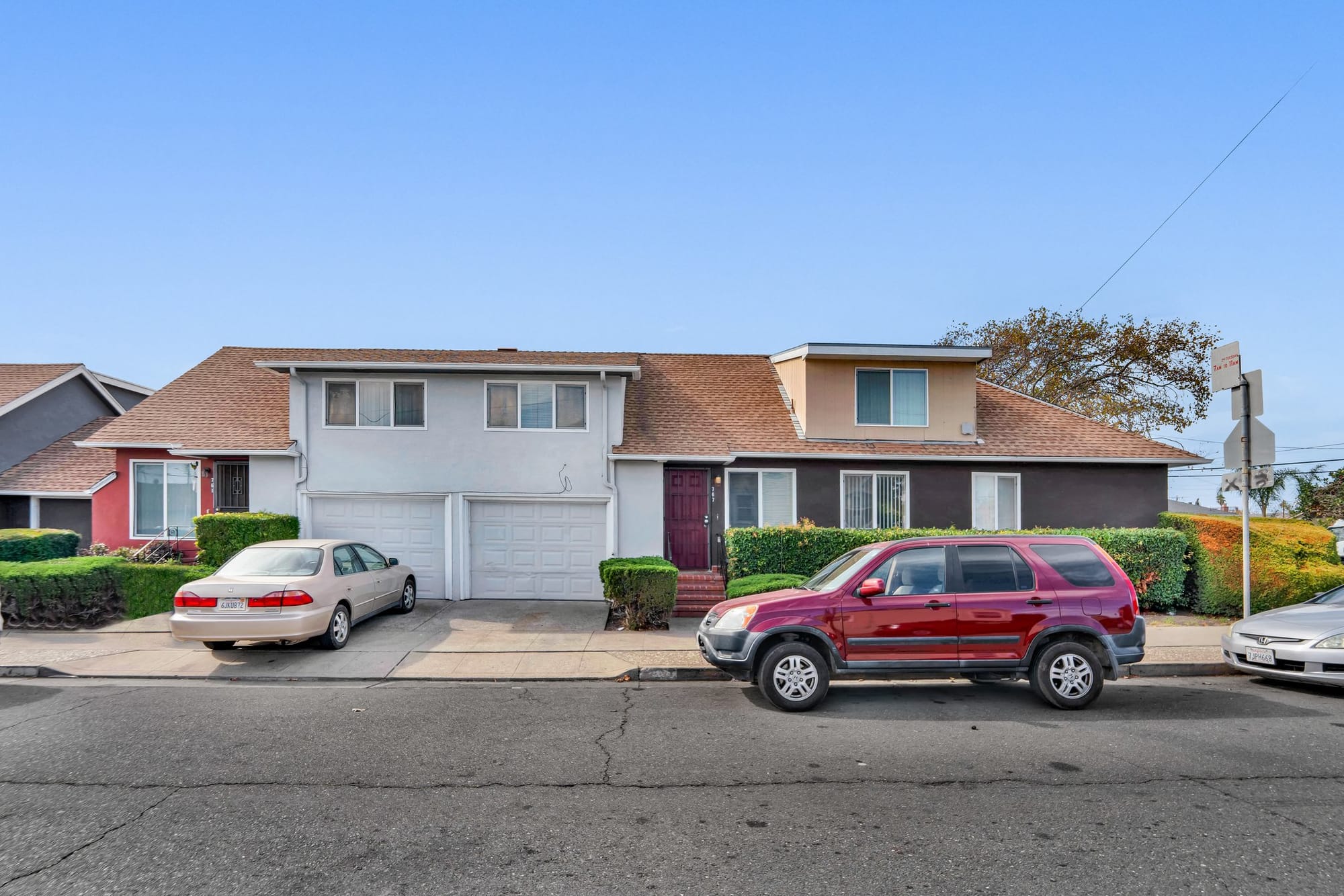
In Bay Area markets like San Francisco, Oakland, and the Peninsula, older buildings often need tighter screening around maintenance expectations. A tenant who never lived in an older home might report drafty windows or uneven floors as defects. A manager who sets expectations early reduces tension later.
Compliance and risk basics
Property management touches legal territory. You do not need to become a lawyer, but you do need a manager with strong process.
• Written documentation for notices, inspections, and tenant requests
• Clear habitability response plans for water, heat, and electrical issues
• A plan for city inspections and permit-related follow-up when work requires it
• Consistent record keeping, since disputes often focus on timelines and documentation
If your property sits in a hillside area, add a risk review. Ask how they handle drainage problems, slope erosion, and storm damage response. If your property sits near the coast, ask about corrosion risks for exterior fixtures and HVAC equipment.
How to verify what you hear
Marketing pages sound similar across the industry. Verification helps you separate style from substance. Use the GBA Realty report page as one comparison reference when you review service scope, management tools, and the types of properties a firm lists in its profile.
A homeowner-style comparison checklist
Bring this list to your calls and keep score.
Agreement clarity: clear limits, clear approvals, clear reporting
Maintenance workflow: documented tickets, photo updates, vendor control
Leasing process: written screening criteria and consistent application
Communication: response standards, escalation steps, and record keeping
Local experience: older building realities, microclimates, permitting habits
Owner fit: the manager matches your involvement level and decision style
Property management works best when you define the guardrails and the manager runs the day-to-day within those guardrails. That structure lowers stress for you, improves the tenant experience, and reduces expensive surprises.