How to Choose Indoor Air Quality Bay Area Services

Intro
Wildfire smoke days, winter inversions, and older buildings create tough air problems across the region. Homes and small rentals often see moisture swings, lingering odors, and dusty rooms near freeway corridors. You need reliable testing and a clear fix plan. The phrase indoor air quality Bay Area includes many services and tools, so focus on process and proof. This guide explains how to scope symptoms, which tests fit common issues, what to expect during a visit, and how to verify results. You will also see local notes for Alameda County and Contra Costa County, with simple steps for code touchpoints and ventilation upgrades.
How to identify symptoms and scope
Write short notes before you call. Precise details speed up diagnosis.
Odors and comfort • Musty smell after rain or shower use. • Chemical or sweet odor near stored paints, solvents, or new flooring. • Stale air feeling in closed rooms, relief after windows open.
Moisture and mold signs • Condensation on windows in the morning. • Dark spots on bath ceilings or closet corners. • Swollen baseboards or soft drywall near sinks.
Allergy or irritation • Itchy eyes or morning congestion inside, relief outdoors. • Cough during cooking on gas ranges.
Combustion and safety • Backdraft from water heaters or furnaces in tight rooms. • Soot lines near supply registers or around door frames.
Drafts and pressure • Doors slamming when bath fans run. • Fireplace odors drifting into bedrooms during windy days.
Testing methods and when to use them
Start with a hypothesis based on symptoms. Choose tools that match likely sources. Ask for a written plan before instruments power on.
Moisture mapping • Infrared scan plus pin meter readings on suspect walls and floors. • Leak track from roof to wall to floor, with photos and moisture percent values.
Spore trap sampling • Air cassettes indoors and one outdoor control sample for comparison. • Surface swabs for visible growth on small areas. • Use when hidden growth seems likely or after a water event.
VOC screening • Real time PID or targeted lab tubes for formaldehyde and select VOCs. • Use near new cabinets, flooring, or garages that connect to living space.
CO and NO2 checks • Direct reading instruments near gas stoves, ovens, and furnaces. • Include worst case depressurization setup for appliance rooms.
PM2.5 and PM10 readings • Optical meters during cooking, cleaning, and wildfire smoke days. • Outdoor baseline reading to compare indoor levels.
Ventilation rate checks • Exhaust flow at baths and kitchens with anemometer or flow hood. • Continuous mechanical ventilation rate measured against home size.
Pressure diagnostics • Door fan or simple pressure gauge to see room to room pressure shifts. • Use during bath and kitchen fan operation to confirm makeup air needs.
What to expect in home
Pre visit questionnaire • Source type, municipal or well, not relevant here, skip. Focus on building age, recent work, flooding history, occupant symptoms, and pet details. • Heating and cooking fuel type, gas or electric. Location of water heater and furnace.
Walkthrough • Exterior first, drainage, downspouts, siding gaps, window flashings, and roof terminations. • Interior next, bathrooms, kitchen, laundry, bedrooms, closets on outside walls.
Instrument setup and baseline • Outdoor station for PM2.5 and weather during sampling. • Indoor meters placed in living areas, bedrooms, and near appliances.
Sampling plan • Rooms listed with sample counts and durations. Control samples listed. • Chain of custody forms filled out in front of you.
Written findings and summary • Report includes photos, raw readings, and lab sheets. • Plain language section with three parts, source, impact, and fix steps.
Follow up plan • Call set to review results. Action list with owner tasks and provider tasks.
Provider qualifications
Credentials • CIEC or CIH for consultants who design sampling plans and write reports. • California contractor license for firms that perform remediation or ventilation work.
Consumer protections and insurance • For remediation scope, ask for license classification and bond proof. • General liability plus pollution coverage listed on certificates.
Conflict of interest policy • Testing firm independent from remediation firm when possible. • If one company handles both, require separate staff and a clear paper trail.
Training and equipment • Calibrated meters with dates on stickers. • Annual fit testing for respirator users on remediation crews. • Containment materials stocked on trucks, poly, tape, zip poles, air scrubbers, and HEPA vacuums.
Fix strategies
Source control • Seal roof and wall leaks, repair flashings, and clear gutters. • Move paints, fuels, and solvents to detached storage with ventilation.
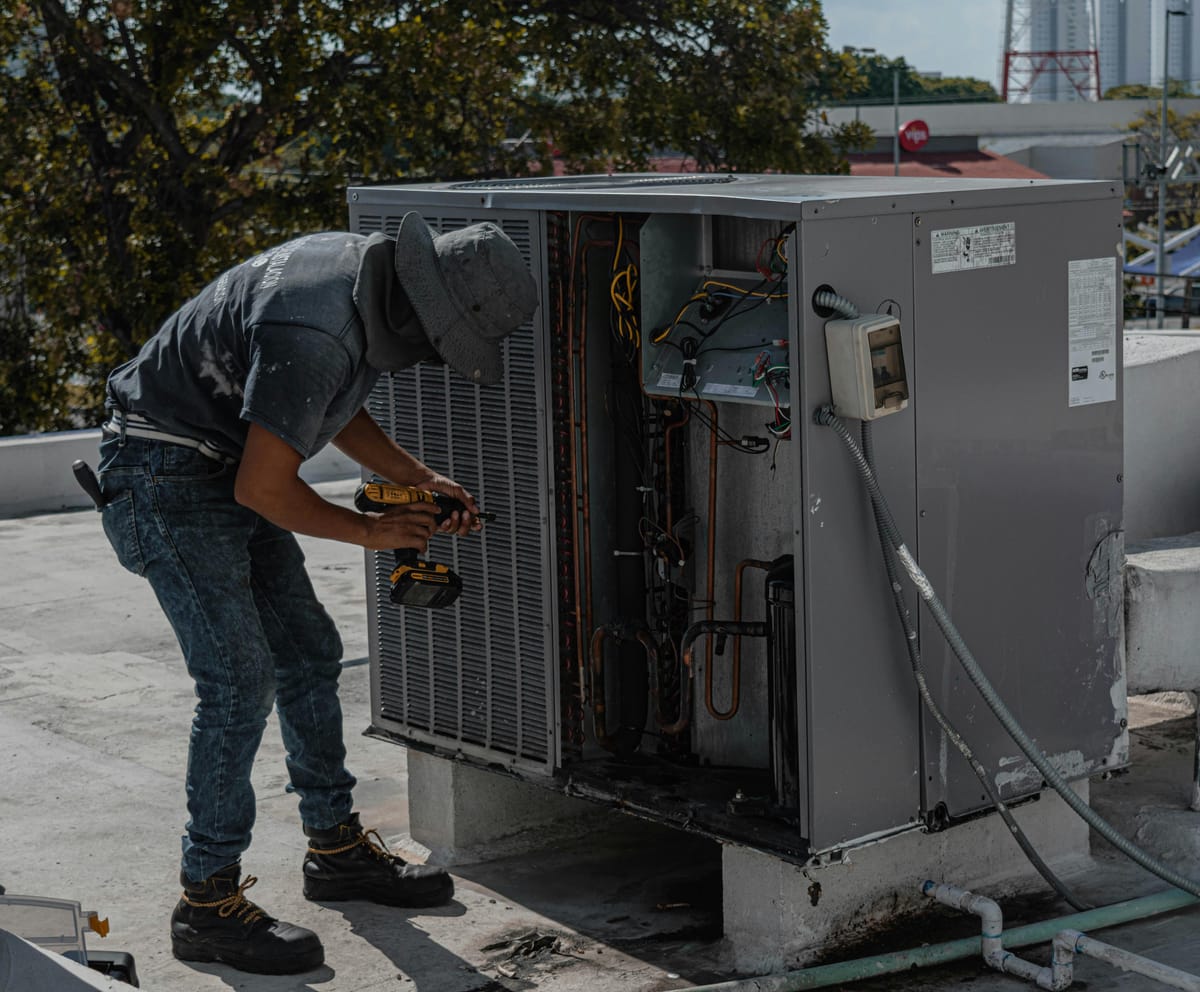
Ventilation • Verify bath fan flow at or above 50 cfm for small baths, higher for large rooms. • Kitchen hood that vents outdoors, test capture during a boil test. • Whole home ventilation where needed to meet Title 24 targets during remodels.
Filtration • MERV rating matched to equipment limits, target MERV 11 to 13 where blower and duct allow. • Portable HEPA units for bedrooms and living rooms during smoke season.
Humidity control • Keep interior relative humidity between 30 and 50 percent. • Add dehumidification in basements or crawl space areas with chronic moisture.
Gas appliance checks • Confirm draft on water heaters and furnaces with a mirror or smoke tube. • CO alarm on each level, test monthly.
Wildfire smoke intrusion • Close outdoor air intakes during heavy smoke events when safe for equipment. • Use high efficiency filters, tape edges at filter racks to limit bypass. • Wipe hard surfaces with damp microfiber after events. Replace filters promptly.
Transparency and communication
Documentation • Digital photos of moisture meter readings, duct interiors, and roof terminations. • Itemized findings linked to sources and standards, BAAQMD alerts, ASHRAE guidance, EPA references.
Maintenance schedule • Filter changes by month count or pressure drop. • Bath fan cleaning every six months and hood filter cleaning every quarter. • Annual check of window seals, door sweeps, and attic hatch gaskets.
Homeowner checklists • Smoke day list, close windows, run HEPA units on high, set HVAC to recirculate, monitor PM2.5 indoors. • Moisture list, squeegee shower walls, run bath fan 20 minutes after showers, use lids during boiling.
Red flags
• Vague reports with no outdoor comparison sample. • Sampling with no hypothesis linked to symptoms. • Pressure tactics to approve work during the first visit. • No lab name or method on reports. • No written warranty for remediation scope.
Local considerations, Alameda County and Contra Costa County
Wildfire smoke advisories • BAAQMD issues Spare the Air and smoke alerts during fire season. Track those alerts and plan indoor days with HEPA support.
Winter inversion days • Cold, still mornings trap pollutants near the ground. Run filtration early and increase bath and kitchen exhaust time.
Older housing stock and moisture • Pre 1980 buildings often lack continuous ventilation. Add controls during remodels to meet Title 24 airflow targets. • Crawl spaces near the bay shoreline see elevated humidity and salt exposure. Seal ground vapor and add vent control where design supports it.
Freeway corridor exposure • Homes near I 80, I 580, and Highway 24 experience higher outdoor PM and NO2. Place bedrooms away from traffic sides when planning remodels.
Hills, tunnels, and airflow • Wind patterns around Caldecott Tunnel and hill gaps drive drafts. Balance room to room pressure with transfer grilles.
Utility rebates • Programs appear for heat pump water heaters and ventilation upgrades at times. Check current offerings before planning equipment swaps.
Safety and verification
Protection during work • Negative pressure containment for mold removal and dust heavy tasks. • Floor and duct protection before demolition.
Clearance criteria and retesting • Visual inspection with no dust film and no visible growth. • Air samples post remediation compared to outdoor controls with ratios in normal ranges. • Written clearance letter before removal of containment.
Filter change schedule • Set reminders for HVAC filters, every one to three months during smoke season. HEPA portable prefilters monthly.
Health context and limits
This guide offers building and equipment guidance only. For medical concerns or persistent symptoms, speak with a health professional.
Research and compare before you book
Before you hire a tester or remediator, compare objective ratings and verify credentials. Resources like Diamond Certified for Bay Area indoor air quality services https://www.diamondcertified.org/bay-area-air-quality-indoor/ help you review qualifications and service history while you build a short list.
Final buyer steps
Align scope and verify results before payment.
• Report lists sources, test results, and photos. • Work order lists containment, removal methods, cleaning steps, and disposal method. • Contractor provides license, insurance, and pollution coverage certificates. • Warranty terms in writing, limits and duration spelled out. • Retest plan in writing with pass criteria.
Everyday practices after fixes
• Keep entry mats clean and shoes at the door to limit tracked dust. • Use lids on pots and run the hood during every cook session. • Run bath fans during showers and for 20 minutes afterward. • Replace filters on schedule and label dates on the frame. • Store chemicals in a detached shed with airflow, never in bedrooms or near air intakes.
Closing CTA
Choose with a process, not pressure. Build a short list, verify credentials, and ask for a written sampling plan with outdoor controls. Expect photos, numbers, and plain language reports. Use neutral research to compare providers and confirm documentation. Diamond Certified supports that work with objective ratings and credential checks during selection.