How to Choose the Right Auto Window Tinting in the Bay Area

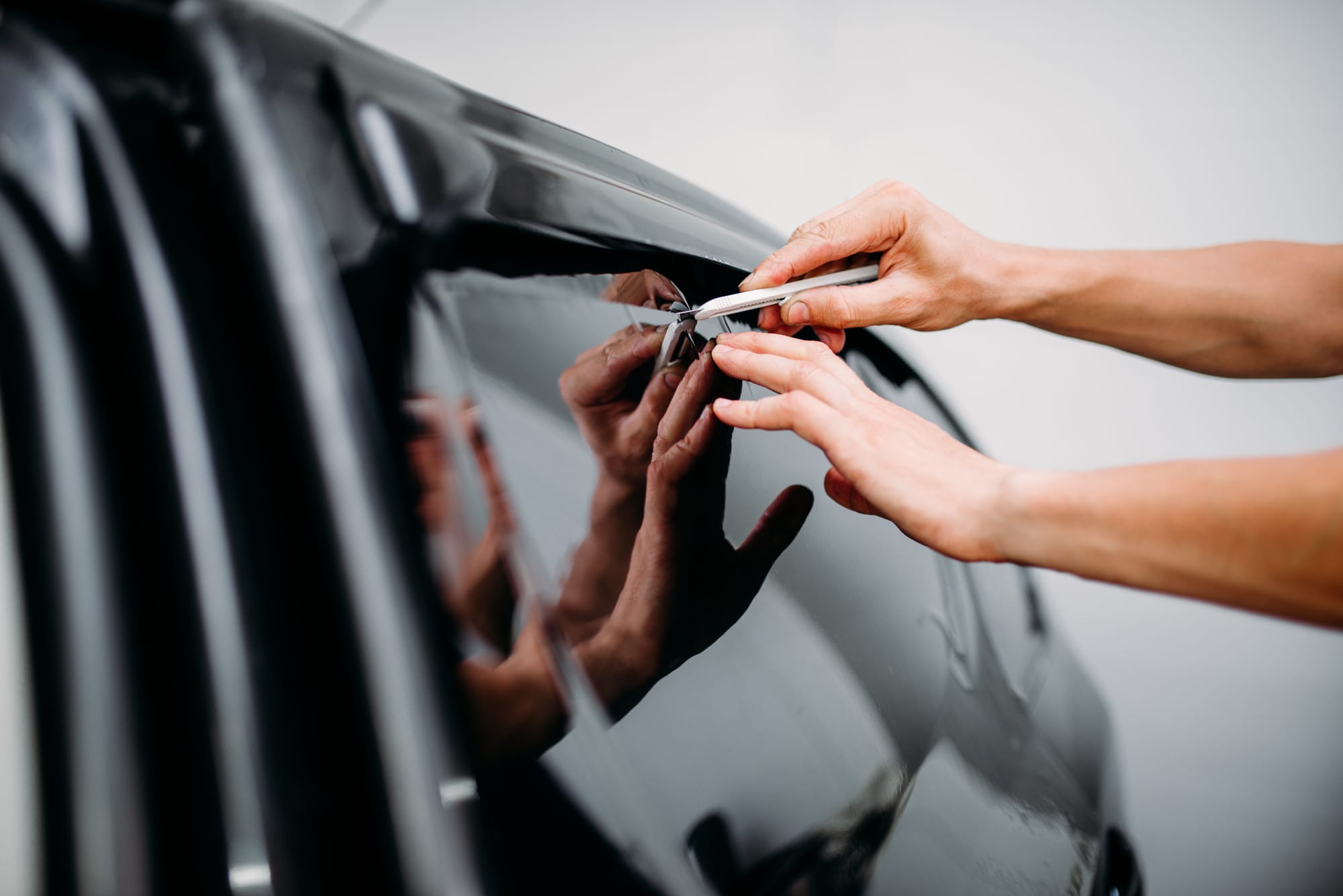
If you spend any time driving around the Bay Area, you’ve probably noticed how many vehicles have tinted windows. It’s not just about looks. Good tint can make a real difference in how comfortable your car feels on hot days, how well your interior holds up over time, and how much glare you deal with during sunrise and sunset commutes.
At the same time, window tinting is one of those upgrades where results can vary widely. A high-quality film installed by a careful, experienced technician can last for years. Cheap film put on in a dusty environment can bubble, peel, or fade long before you’d expect. This guide walks through what Bay Area drivers should consider before tinting their vehicles so you can make a calm, informed choice instead of deciding based only on price or a quick online ad.
Start With Your Goals for Tint
Before you start calling shops, think about what you want tint to do for you. Common goals include:
- Heat reduction: Keeping the cabin cooler on sunny days, especially if your car sits outside at work or at home.
- UV protection: Helping protect your skin and your car’s interior from ultraviolet rays that cause fading and cracking.
- Glare reduction: Cutting down on harsh light during morning and evening commutes, especially when driving toward the sun or dealing with reflections off the bay.
- Privacy: Making it harder for people to see into the vehicle, particularly for items in the back seat or cargo area.
- Style: Giving the car a more finished, cohesive look.
Knowing which benefits matter most will help you choose between different types of films and shades.
Understand the Basics of Window Tint Film
Not all tint films are the same. Here are some common categories you’ll hear about:
Dyed Film
- Typically the most budget-friendly option.
- Uses a dye layer to absorb some light and heat.
- Can improve privacy and reduce glare.
However, dyed films are more prone to fading over time, sometimes turning purple or losing their original shade.
Metalized Film
- Contains tiny metallic particles that reflect heat and UV.
- Often more durable than basic dyed film.
On the downside, metalized film can sometimes interfere with radio, GPS, or cell signals in certain vehicles, depending on how electronics are set up.
Carbon Film
- Uses carbon particles to block infrared light (heat) without a shiny or metallic look.
- More fade-resistant than dyed film, with good heat rejection.
This can be a good middle-ground option if you want better performance and longevity without going to the very top tier.
Ceramic Film
- Uses ceramic particles that are non-metallic and non-conductive.
- Offers excellent heat rejection, UV protection, and clarity, even at lighter shades.
- Typically the most expensive option but often the longest-lasting.
Ceramic film is popular with drivers who park outside often, take long commutes, or simply want the most comfortable cabin possible.
A reputable shop will explain which films they carry, how they differ, and what they recommend for your budget and priorities.
Bay Area Driving Conditions to Keep in Mind
The Bay Area’s mix of weather and driving patterns can shape your tint choices:
- Microclimates: Coastal areas may be cool and foggy in the morning but bright and sunny by afternoon. Inland areas can get significantly hotter. Good heat rejection helps in both scenarios.
- Bridge and freeway glare: Daily commuting often means low-angle sun across the bay, where glare can be intense. Properly chosen tint can reduce eye strain in these conditions.
- Parking: If your car sits outside at a BART station, office lot, or street parking, your interior is constantly exposed to sunlight. UV-blocking films help slow fading of seats, dash, and trim.
- City visibility: In busy urban neighborhoods, a little extra privacy can make you feel more comfortable when you park with items in the back seat.
Thinking about where and how you drive most often will help you decide how much to invest in higher-performing films.

Legal and Safety Considerations
Window tinting is regulated, and there are rules about how dark you can go on different windows. These rules are meant to balance comfort and style with visibility and safety for both drivers and law enforcement. Because regulations can be detailed and subject to change, it’s wise to:
- Ask each shop how they ensure their work complies with current California tint laws.
- Clarify what shades are legal for front side windows, rear side windows, and the rear windshield.
- Confirm whether they provide documentation of the film installed (brand, shade, and light transmission level).
Avoid shops that encourage you to go darker than what’s allowed or brush off your questions about legality. If you ever get stopped or need to transfer ownership, having compliant tint and clear documentation will make things simpler.
What to Look For in a Tint Shop
Choosing the right installer is just as important as choosing the film. When you start researching Bay Area auto window tinting options, you’ll notice there’s a wide range of shops. Here are practical things to look for:
- Experience and focus: How long have they been in business, and how much of their work is tinting specifically?
- Clean workspace: Tint is best applied in a controlled, indoor environment to avoid dust and debris getting trapped under the film.
- Film brands and warranties: Do they offer reputable brands with clear manufacturer warranties against bubbling, peeling, and color change?
- Portfolio and reviews: Can they show you examples of their work, and do they have consistent positive feedback?
- Customer service: Do they take time to understand your needs, explain options, and answer questions without rushing?
You don’t have to become an expert, but you should feel confident that they know what they’re doing and care about the finished result.
Questions to Ask Before You Book
A short conversation can help you compare shops more effectively. Consider asking:
- Which types or brands of film do you recommend for my car and why?
- What kind of warranty do you provide, and who backs it—you or the film manufacturer?
- How long should I expect the installation to take?
- Will you be removing old tint, and is that included in the price?
- How do you handle rear windows with defroster lines or complex shapes?
Clear, straightforward answers are a good sign. If a shop can’t explain their own products and process in simple terms, that’s a red flag.
Comparing Quotes the Right Way
Price matters, but it shouldn’t be the only factor. When comparing quotes:
- Make sure you’re comparing the same type of film (for example, ceramic vs. dyed).
- Check whether removal of existing tint is included.
- Ask if the quote covers all windows you want tinted, including small quarter windows or a windshield sun strip where allowed.
- Consider the value of a good warranty and proven film performance over time.
Sometimes a slightly higher price reflects better film, more careful prep, or stronger guarantees—all of which can matter more than saving a small amount upfront.
Aftercare: Protecting Your New Tint
Once the tint is installed, how you treat it in the first days and weeks has a big impact on how it looks long term.
Most shops will recommend that you:
- Avoid rolling down windows for a few days to allow the film to cure.
- Expect a slight haziness or small water bubbles at first; these typically disappear as the film dries.
- Clean windows with a soft cloth and non-ammonia cleaner to avoid damaging the film.
- Be cautious with seatbelts snapping against the glass and sharp objects near the windows.
Keep any paperwork you receive, including warranty information and film details, in your glovebox so it’s available if you ever need it.
Bringing It All Together
Auto window tinting is one of the most noticeable upgrades you can make to your car’s comfort and appearance. By taking a few minutes to clarify your goals, learn the basics of film types, and choose a reputable Bay Area installer, you greatly increase the chances of being happy with the result for years instead of months.
In a region where sun, traffic, and parking realities are part of daily life, thoughtful tinting can make every drive a little more comfortable—and help your vehicle’s interior look better for longer—without turning the process into a gamble.