How to Source Industrial Art Rentals Without a DIY Look

You stand in an empty ballroom with an industrial mood board in hand. The client wants metal, structure, and drama. You scroll through photos of arches, backdrops, and welded pieces. Many look improvised. Some look solid and polished. The difference feels obvious on instinct, yet hard to explain during vendor calls. You need industrial art rentals which support the concept without slipping into garage-project territory.
This guide walks through practical checks and questions so your industrial art rentals feel professional, safe, and cohesive. You learn how to spot weak details, review vendor catalogs with confidence, and match metal pieces with lighting and decor for a polished result.
What industrial art rentals do for your event
Industrial art rentals sit between decor and infrastructure. They use steel, aluminum, or mixed metals as core materials. They show structure instead of hiding it behind fabric or greenery.
For event work, you often use these pieces as:
- Freestanding metal backdrops for events behind stages, head tables, or photo zones
- Frames which hold signage, floral work, or brand elements
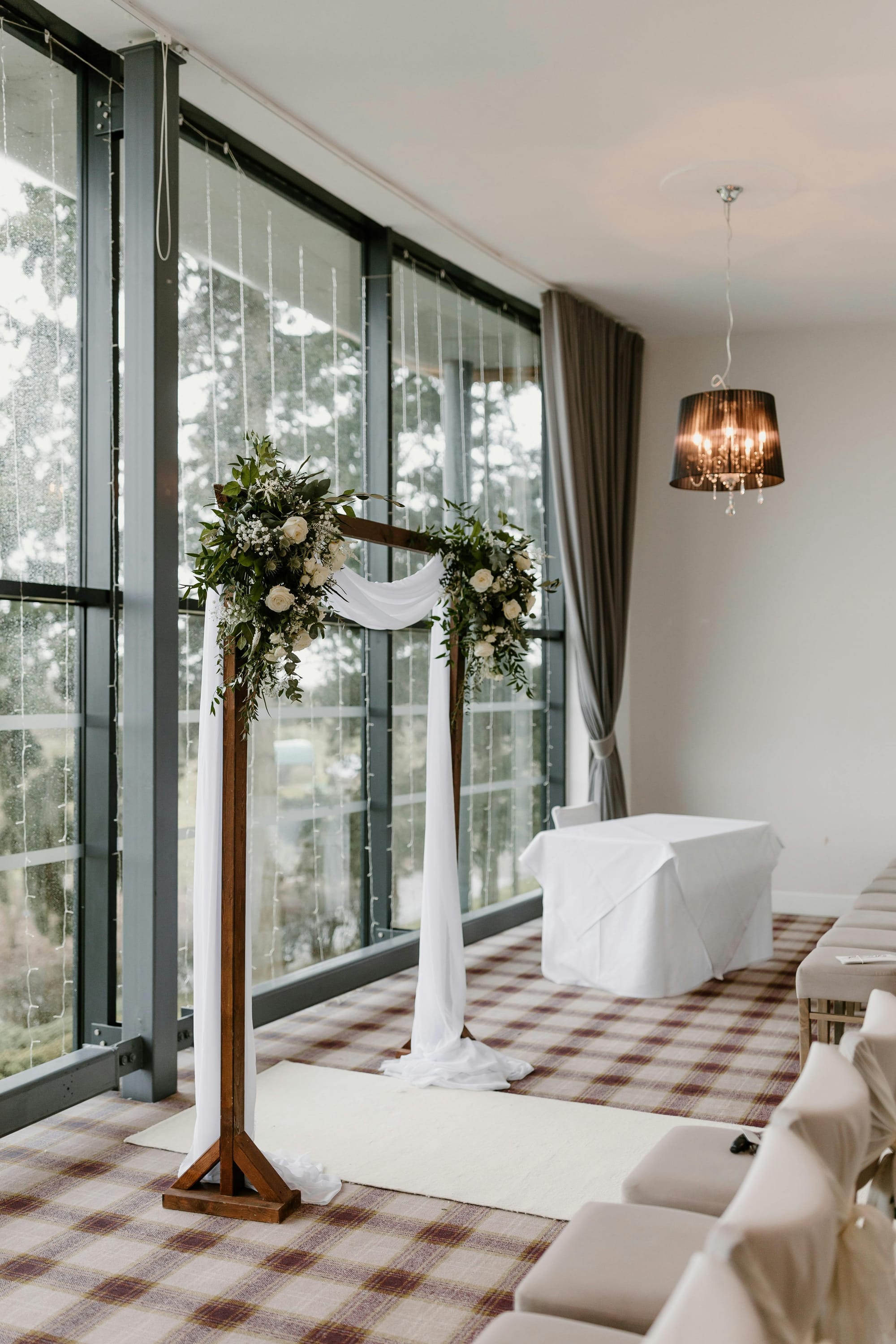
- Portal-style arches at entrances or along aisles
- Hanging or ground-supported sculptural elements which echo venue architecture
Used with intention, industrial-style decor for events adds weight and presence. It supports themes around heritage buildings, manufacturing history, or simple geometric design. The risk appears when pieces feel flimsy, improvised, or out of scale with the room.
Signs your industrial pieces look DIY
DIY energy rarely comes from one detail. It builds from several small signals which guests notice without naming them. Watch for these warning signs:
- Thin tube or bar stock which flexes when a person brushes past
- Uneven welds with spatter, gaps, or heavy grinder marks
- Raw steel with patchy clear coat or peeling spray paint
- Bolted parts which twist during setup or once florals go on
- Props which sit too small or too tall for the venue, throwing off balance
Photos from test shoots can hide some flaws. In person, those issues stand out fast. Guests sense instability or cheapness and focus on it. You want industrial art rentals which feel intentional and steady from every angle.
Quality checks for professional industrial art rentals
You often judge industrial pieces through photos, drawings, and spec sheets. A simple structured review helps you filter options before site visits.
Materials and structure
Start with materials. Stronger gauge steel or aluminum supports taller structures and repeated use. Ask vendors for basic details, not vague reassurances. Focus on:
- Material type and thickness for main frames
- Base size and weight for each freestanding unit
- Finish method such as powder coat, sealed raw metal, or patina
Frames for rental art installations for ballrooms and venues need enough mass at the base to resist minor bumps and crowded dance floors. Slim decorative pieces still need solid support legs and cross-bracing.
Welds and joints
Next, review joints. Welds reveal a lot about workshop standards. Request close-up photos under neutral lighting, not only stylized images. Look for:
- Smooth, continuous beads without gaps
- Minimal spatter around joints
- Consistent quality from one piece to another
For bolted or pinned joints, inspect the hardware in photos. Oversized holes, mismatched bolts, or visible movement in video clips signal weak engineering.
Finishes and edges
Industrial style does not excuse rough edges. Guest-facing surfaces still need care. Examine:
- Consistent color or patina across panels
- Protected surfaces where guests rest hands or lean for photos
- Clean edges without sharp corners or burrs
A professional fabricator grinds and seals every touch point. You want guests to focus on atmosphere, not worry about clothing snags or rough spots.
How to review a vendor catalog with confidence
A strong catalog tells a story about scale, engineering, and design language. It also gives you enough information to sell concepts to clients and venues.
When you review a portfolio or catalog, look for:
- Repeated use of the same piece in different venues
- Photos which show bases, backs, and attachment points, not only styled fronts
- Clear dimensions which relate to real spaces and human height
- Notes about compatible lighting, florals, or signage
You gain trust when you see a metal backdrop behind a sweetheart table in one project, then behind a brand step-and-repeat in another. Consistent performance across venues signals sound engineering.
A structured library such as the Gallo Welding industrial art rentals catalog gives you immediate context for height, footprint, and finish options. A resource like this helps you move from guesswork to clear recommendations for each ballroom or hall.
Questions about safety, stability, and installation
Industrial metal feels strong by nature, yet safety still needs explicit review. Bring direct questions to every vendor and note how clearly they answer.
Start with load limits. If you add florals, signage, or fixtures to frames, request:
- Maximum total weight for each hanging point
- Recommended spread of weight across spans
- Limits for moving elements such as swinging pendants
Then review stability. Freestanding pieces must resist tipping when guests walk nearby, staff handle cables, or DJs adjust gear. Clarify:
- Whether bases require sandbags, bolts, or extra weights
- Minimum clearance around bases for safe guest movement
- Performance on carpet, wood, and polished concrete
Installation shapes your schedule and risk as well. Ask vendors for:
- Typical crew size and setup time per unit
- Elevator or stair requirements for delivery
- Protection measures for floors and walls during load-in and strike
A supplier comfortable with specific safety questions treats you as a partner, not a one-off sale.
Budget ranges and tradeoffs between catalog and custom pieces
Industrial art rentals sit on a spectrum from simple stock frames to custom metal installations. Each tier affects budget, planning, and design flexibility.
At the stock level, you select from fixed sizes and finishes. These pieces:
- Respect tighter budgets
- Rely on proven engineering
- Accept styling through florals, drape, and signage rather than heavy structural change
Modular systems occupy the middle range. Panels and segments connect in different ways, so you adapt layout to each venue while reusing core parts. This approach gives more freedom than stock pieces, with less design cost than full custom work.
At the custom end, design and fabrication respond directly to your venue and event goals. You invest in drawings, prototypes, and unique engineering. In exchange, you gain:
- Structures scaled perfectly for ceiling height and floor footprint
- Integration with truss, chandeliers, or staging elements
- Forms linked to brand marks, product shapes, or couple monograms
A detailed library of metal backdrops for events and venue-ready industrial decor helps you combine these tiers. You pair stock backdrops with one signature custom piece, or repeat proven frames in secondary zones while reserving budget for a hero installation in the main sightline.
Coordinating industrial-style decor for events with lighting and decor
Metal interacts strongly with light. Good coordination turns structure into a support for mood and photography. Poor coordination produces glare, harsh shadows, or lost detail.
Start with finish. Matte and satin surfaces control reflections better than mirror polish in most event settings. Highlight small polished accents instead of entire large surfaces.
Then collaborate with your lighting designer early. Share product shots and dimensions. Discuss:
- Surfaces which need highlights for photos
- Areas which require softer levels for dining and speeches
- Angles for key lights around arches, portals, or backdrops
Treat industrial pieces as part of the lighting plan, not as separate decor. Rental art installations for ballrooms and venues work best when beams, color, and shadow feel deliberate from every main camera angle.
Finally, coordinate with florists and signage vendors. Agree on attachment methods, tie-off points, and weight guidelines. Clear direction prevents last-minute improvisation with zip ties or tape, which often ruins the polished look you want.
Bringing venue rules and guest comfort into the plan
Each venue enforces its own rules for load limits, rigging, and fire safety. Industrial structures highlight those rules, so involve venue managers early.
Share spec sheets before you lock in designs. Provide:
- Dimensions, weights, and base sizes for each piece
- Notes on finishes and any fabric or integrated lighting around the metal
- Power needs for any built-in fixtures or signage
Ask venue teams about previous events which used metal structures. Learn which doorways, elevators, or loading docks caused trouble. Insights from those stories help you schedule load-in and crew size.
Guest comfort forms the final filter. Walk the layout from guest level and ask simple questions.
- Do guests have clear paths between tables, bars, and focal areas
- Do any structures crowd exits or emergency signage
- Do aisles support guests with mobility aids without awkward detours
Industrial decor should feel confident and welcoming. Guests need space to move, pose for photos, and focus on the program without dodging protruding edges or low elements.
Final checklist for confident choices
Use this quick checklist while you shortlist suppliers and designs.
- Materials: Strong gauge metal, clear specs, substantial bases
- Welds: Smooth, even beads, minimal spatter, consistent quality
- Finishes: Protected touch points, clean edges, stable coatings
- Catalog depth: Pieces shown in multiple venues with clear measurements
- Safety: Written guidance on load limits, stability, and clearances
- Installation: Defined crew size, setup time, and venue-friendly methods
- Coordination: Fit with lighting, florals, signage, and venue rules
- Guest flow: Clear paths, safe sightlines, comfortable proximity to structures
When suppliers meet these standards, industrial art rentals feel like part of the venue rather than improvised props. Guests read the space as intentional and cohesive, even if they never think about steel, welds, or finishes.
With careful review at the planning stage, you filter out weak pieces, select proven structures, and support your client’s story with confident metal forms. The result looks polished in photos, performs safely under event pressure, and gives your team one more reliable design tool for future projects.