Invisalign San Francisco: Timeline & Tips

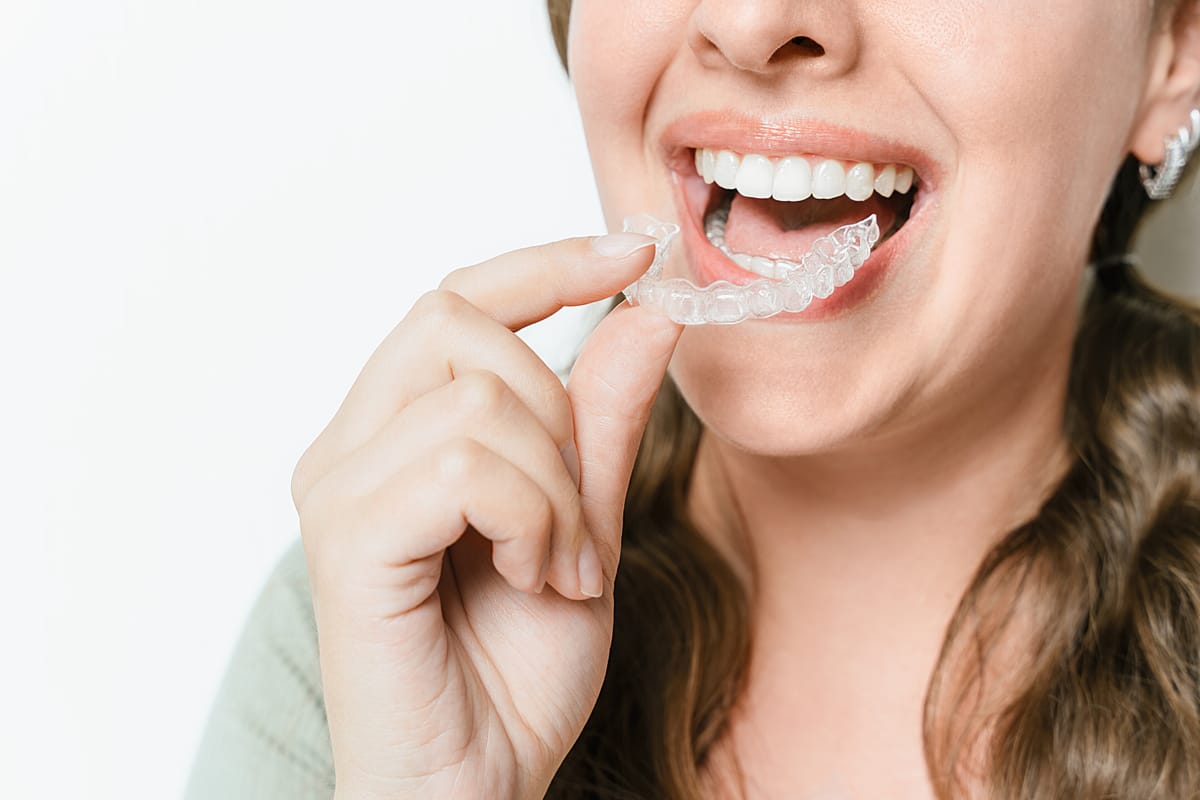
Invisalign straightens teeth using clear, removable aligners instead of metal brackets and wires. If you're considering Invisalign in San Francisco, understanding the timeline and daily routine helps you prepare for treatment and know what to expect at each stage.
How Invisalign Works
Invisalign uses a series of custom-made plastic trays to gradually shift your teeth into alignment. Each set of aligners moves your teeth slightly. You switch to the next set every one to two weeks.
The aligners are removable. You take them out to eat, brush, and floss. For the rest of the day, you wear them.
Treatment addresses:
- Crowding and overlapping teeth
- Gaps and spacing issues
- Overbite, underbite, and crossbite
- Minor to moderate misalignment
Invisalign works for most adults and teens with healthy teeth and gums. Your dentist will evaluate whether your case fits within the system's capabilities.
The Invisalign Timeline: Start to Finish
Consultation and Records (Week 1)
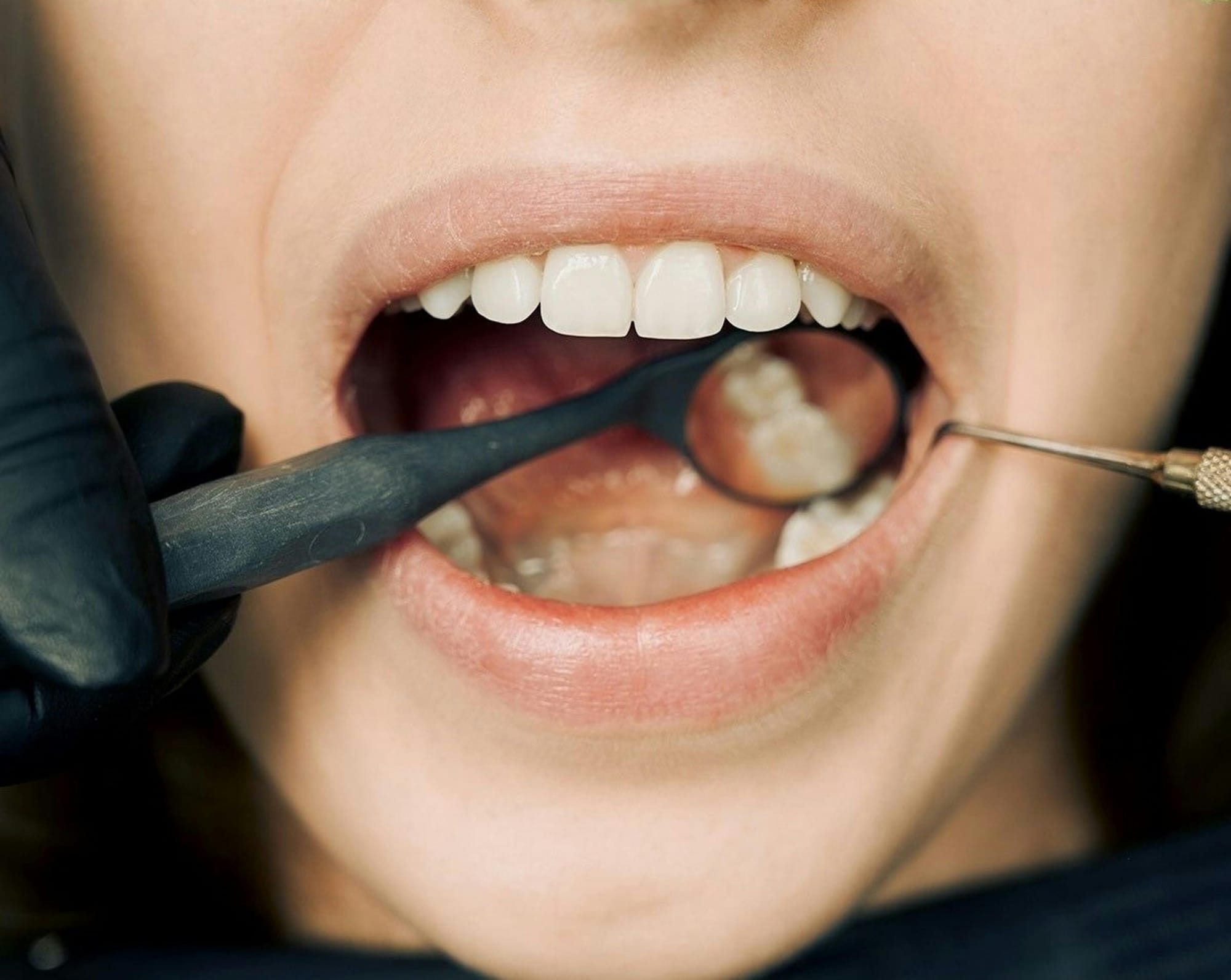
Your first visit focuses on evaluation. Dentist examines your teeth, takes photos, and uses a digital scanner to create a 3D model of your mouth.
You'll discuss your goals and concerns. Your dentist explains what Invisalign will fix and what it won't. Some bite problems require traditional braces or additional treatments.
If Invisalign fits your needs, the digital scans go to Invisalign's lab for treatment planning.
Treatment Plan Review (Week 2 to 3)
Invisalign creates a digital simulation showing how your teeth will move from start to finish. You'll see the projected outcome before you commit.
Your dentist reviews the plan with you. If you approve, Invisalign manufactures your custom aligners. This takes two to three weeks.
Aligner Delivery and Attachments (Week 4 to 5)
You receive your first sets of aligners. Your dentist places small tooth-colored attachments (bumps) on certain teeth. These attachments give the aligners leverage to move teeth more effectively.
You'll learn how to insert and remove the aligners, clean them, and track your wear time. Most patients wear each set for 7 to 10 days before moving to the next.
Active Treatment (Months 1 to 12+)
Treatment length depends on how far your teeth need to move. Simple cases finish in 6 months. Complex cases take 18 to 24 months.
You'll visit your dentist every 6 to 8 weeks for progress checks. These appointments take 15 to 20 minutes. Your dentist confirms your teeth are tracking with the plan and gives you your next sets of aligners.
You wear the aligners 20 to 22 hours per day. Consistency determines how closely your results match the predicted timeline.
Refinements (If Needed)
Some cases require refinement aligners to fine-tune the final positioning. Your dentist takes new scans and orders additional trays.
Refinements add 2 to 4 months to your treatment. Most comprehensive Invisalign plans include refinements at no extra cost.
Retainers (Ongoing)
Once your teeth reach their final positions, you transition to retainers. Retainers prevent your teeth from shifting back.
You'll wear retainers full-time for the first few months, then nightly for the long term. Skipping retainers puts your results at risk.
Daily Routine: What Wearing Invisalign Looks Like
Morning
Remove aligners. Brush and floss. Rinse aligners with lukewarm water. Brush aligners gently with a soft toothbrush. Put aligners back in.
Meals
Remove aligners before eating or drinking anything except water. Store aligners in their case. After eating, brush your teeth before reinserting aligners.
If you're out and brushing isn't an option, rinse your mouth thoroughly with water. Brush as soon as you get home.
Evening
Remove aligners. Brush and floss. Clean aligners. Reinsert aligners. Wear them overnight.
Weekly
Deep clean aligners with Invisalign cleaning crystals or a denture cleaner. This prevents buildup and keeps them clear.
Switch to your next set of aligners on schedule. Most people change aligners before bed to sleep through the initial tightness.
Tips for Success
Wear your aligners 22 hours per day. Less wear time extends your treatment. Set phone reminders if you forget to put them back in after meals.
Keep aligners in their case when you remove them. Wrapping them in a napkin leads to lost or thrown-away aligners. Replacements cost money and delay progress.
Plan meals and snacks. Frequent snacking means more time with aligners out. Consolidate eating windows to maximize wear time.
Use the Invisalign app or a timer. Track your wear time and get alerts when it's time to switch aligners. Consistency matters more than speed.
Avoid hot beverages while wearing aligners. Heat warps plastic. Remove aligners for coffee, tea, or soup.
Carry a travel kit. Pack a toothbrush, toothpaste, floss, and aligner case. This makes post-meal cleaning easier when you're away from home.
Communicate with your dentist. If an aligner doesn't fit or feels wrong, contact your dentist before moving to the next set. Forcing aligners that don't track causes problems.
What to Expect During Treatment
Discomfort
New aligners feel tight for the first day or two. This pressure means your teeth are moving. Over-the-counter pain relievers help if needed.
Attachments and aligner edges sometimes irritate your lips or tongue. Dental wax smooths rough spots until your mouth adjusts.
Speech Changes
Some people develop a slight lisp for the first few days. Your tongue adapts quickly. Practice speaking out loud to speed up the adjustment.
Oral Hygiene
Invisalign requires more brushing and flossing than usual. Food trapped under aligners causes decay and bad breath. Keep your teeth clean before reinserting aligners.
Social Situations
Aligners are nearly invisible. Most people won't notice you're wearing them unless you mention it.
You'll remove aligners for meals, so eating with friends or colleagues works the same as before. Just excuse yourself to brush afterward.
Invisalign vs. Traditional Braces
Appearance
Invisalign aligners are clear. Traditional braces use metal or ceramic brackets and wires. Aligners are less noticeable.
Comfort
Aligners are smooth plastic. Braces have brackets and wires that sometimes poke or irritate your mouth.
Diet
Invisalign has no food restrictions since you remove aligners to eat. Braces require avoiding hard, sticky, or chewy foods.
Oral Hygiene
Aligners come out for brushing and flossing. Braces stay on, making cleaning harder and requiring special tools.
Treatment Scope
Braces handle severe misalignment and complex bite issues better than Invisalign. Invisalign works well for mild to moderate cases.
Discipline
Invisalign requires you to wear aligners 22 hours daily. Braces work continuously without relying on patient compliance.
Who Makes a Good Invisalign Candidate?
Invisalign works best for people who:
- Have mild to moderate crowding, spacing, or bite issues
- Maintain good oral hygiene habits
- Will commit to wearing aligners 20+ hours per day
- Want a less visible orthodontic option
- Prefer removable aligners over fixed braces
Invisalign doesn't work well for severe overbites, underbites, or significant jaw misalignment. These cases need traditional braces or surgical intervention.
Your dentist will assess your specific situation and recommend the best approach.
Questions to Ask Your Dentist
- How long will my treatment take?
- How many aligners will I need?
- Are refinements included in the treatment cost?
- What happens if I lose an aligner?
- How often will I need checkup appointments?
- Do I need attachments, and how many?
- Will I need any additional procedures (like tooth shaping or extraction)?
Maintaining Results After Invisalign
Your teeth will shift without retention. Retainers keep your results stable.
Most dentists recommend:
- Full-time retainer wear for 3 to 6 months after finishing treatment
- Nightly retainer wear indefinitely after the initial period
- Annual checkups to monitor tooth stability
Vivera retainers (made by Invisalign) are durable and custom-fit. Some patients prefer fixed retainers bonded to the back of their teeth.
Skipping retainers leads to relapse. Teeth gradually shift back toward their original positions, undoing months of treatment.
Getting Started with Invisalign
If you're ready to explore Invisalign treatment in San Francisco, start with a consultation. You'll get a clear picture of your timeline, what the process involves, and whether Invisalign matches your goals.
Treatment requires commitment but fits into most lifestyles better than traditional braces. The key is consistency with wear time and following your dentist's guidance at each stage.