Keeping Heavy Riffs Clear When High Gain Starts Fighting Back



Heavy guitar tones should sound powerful, aggressive, and defined. Yet many players eventually discover that adding more gain doesn't always create a better sound. Instead of producing a crushing wall of tone, excessive distortion can lead to muddy chords, unclear note separation, and low-end flub that becomes especially noticeable during fast rhythm work.
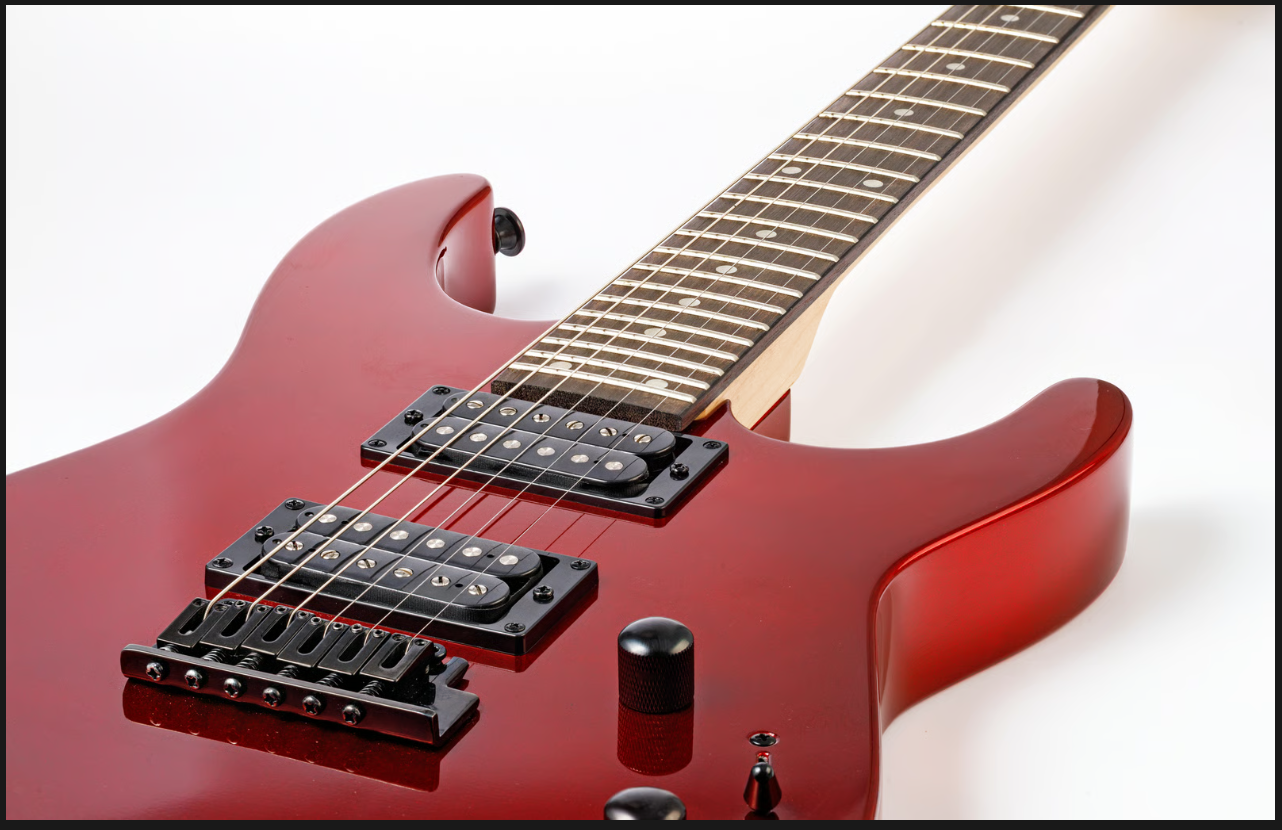
If you've been wondering what the best high-output humbuckers are that don't get muddy under heavy distortion, the answer often depends less on raw output and more on overall pickup design. The right pickup can provide strong mids, tight bass response, and enough clarity to keep complex riffs articulate even at high gain levels.
Why It Pays to Research Pickup Options Carefully
Many guitarists assume that the hottest pickup available will automatically deliver the heaviest tone. In practice, that's not always true.
High-output pickups generate a stronger signal, but output alone doesn't determine how well a pickup performs under distortion. Some designs emphasize low frequencies so heavily that fast palm-muted passages become blurry. Others push upper mids and articulation, helping notes remain distinct even when running through multiple gain stages.
Before investing in a replacement humbucker set for rock or metal, it helps to spend time comparing tonal goals rather than focusing only on output specifications.
What to Evaluate Before Choosing New Humbuckers
Different players need different solutions depending on their equipment and musical style. A few key factors can make the selection process easier.
Low-End Control
A pickup with excessive bass can sound huge on isolated notes but become muddy during dense rhythm sections. Tight low-end response is often more important than sheer output.
Midrange Character
Many modern rock and metal tones rely on strong mids to help guitars cut through mixes. Well-balanced mids can add weight without sacrificing clarity.
Chord Definition
If you frequently use extended chords, dropped tunings, or layered rhythm tracks, note separation matters. Pickups that maintain articulation under gain tend to sound more professional and easier to mix.
Bridge and Neck Balance
Some players focus entirely on the bridge pickup and overlook the neck position. A balanced bridge and neck humbucker set can make the entire guitar feel more versatile.
Understanding the Difference Between Output and Clarity
One common mistake is assuming that clarity and output sit on opposite ends of the spectrum. In reality, many modern pickup designs are built specifically to achieve both.
When evaluating high output humbucker pickups for metal and hard rock, it can be helpful to look for models that focus on controlled bass response, defined mids, and strong note separation rather than simply producing the hottest signal possible.
This type of design often helps rhythm guitars sound tighter while still providing the aggressive attack players expect from modern high-gain setups.
Signs Your Current Pickups May Be Holding You Back
Sometimes the amplifier receives the blame when the pickups are actually creating the problem.
Here are a few common warning signs:
- Palm-muted riffs lose impact and become boomy.
- Fast alternate-picked passages sound smeared together.
- Chords become difficult to distinguish under distortion.
- Lower tunings feel loose or undefined.
- Reducing gain actually improves the tone significantly.
If several of these issues sound familiar, your pickups may not be the ideal match for your style.
Additional Ways to Improve High-Gain Clarity
Upgrading pickups is only part of the equation. Several other adjustments can help tighten your overall sound.
Adjust Pickup Height
A pickup positioned too close to the strings can create unwanted compression and affect note definition. Small adjustments can make a noticeable difference.
Use Appropriate Gain Levels
Many iconic heavy guitar tones use less distortion than people expect. Backing off the gain slightly often increases articulation and punch.
Check Your EQ Settings
Too much bass on the amplifier can make even excellent pickups sound muddy. Try reducing low frequencies before adding more mids and presence.
Consider String Choice
Fresh strings typically produce better attack and clarity than worn strings, particularly for players using high-gain rigs.
Final Thoughts
Heavy tones do not need to sound muddy to feel powerful. In fact, some of the most aggressive guitar sounds are also the most articulate. The key is finding equipment that balances output, midrange presence, and low-end control.
Rather than chasing maximum gain, focus on pickups that preserve note separation and dynamic response. A well-designed high-output humbucker can deliver crushing rhythm tones, singing leads, and tighter overall performance without turning complex riffs into an indistinct wall of distortion. When clarity and power work together, every riff hits harder and every note earns its place in the mix.