Metal Roofing in the Bay Area: What to Confirm First

Metal roofing attracts homeowners who want longevity, fire resistance, and a clean look. Yet the success of a metal roof depends less on the panel style and more on the details: flashing, underlayment, ventilation, and how the roof handles wind and salt air. In the Bay Area, microclimates add another layer. Fog and salt near the coast stress fasteners and flashings. Inland heat bakes underlayment and expands materials.
A good metal roof plan starts with a roof evaluation, then a written scope that covers every transition and penetration.
Metal roofing scope basics
A complete scope for a metal roof includes more than “install panels.”
Core items to see in writing:
• Tear-off and disposal plan, plus daily cleanup
• Deck evaluation, including how rot repair gets priced
• Underlayment type and placement details
• Metal panel system type and gauge, when listed
• Flashing package, including valleys, walls, chimneys, and skylights
• Penetration details for vents and exhausts
• Ventilation plan for attic spaces
• Gutters and drainage tie-ins, when included
• Finish and coating details, including color system and protection rules
The Westshore Roofing, Inc. report page lists metal flashings, standing seam metal roofs, corrugated metal roofing, metal shingles, insulated metal roofing, and roof replacement and installation, which offers a useful checklist for comparing written scopes.
Metal roof styles and where they fit
Standing seam
Standing seam roofs use raised seams that lock or mechanically seam together. This style often fits modern designs and low-to-moderate slopes. Confirm how seams terminate at walls and ridge lines.
Corrugated metal
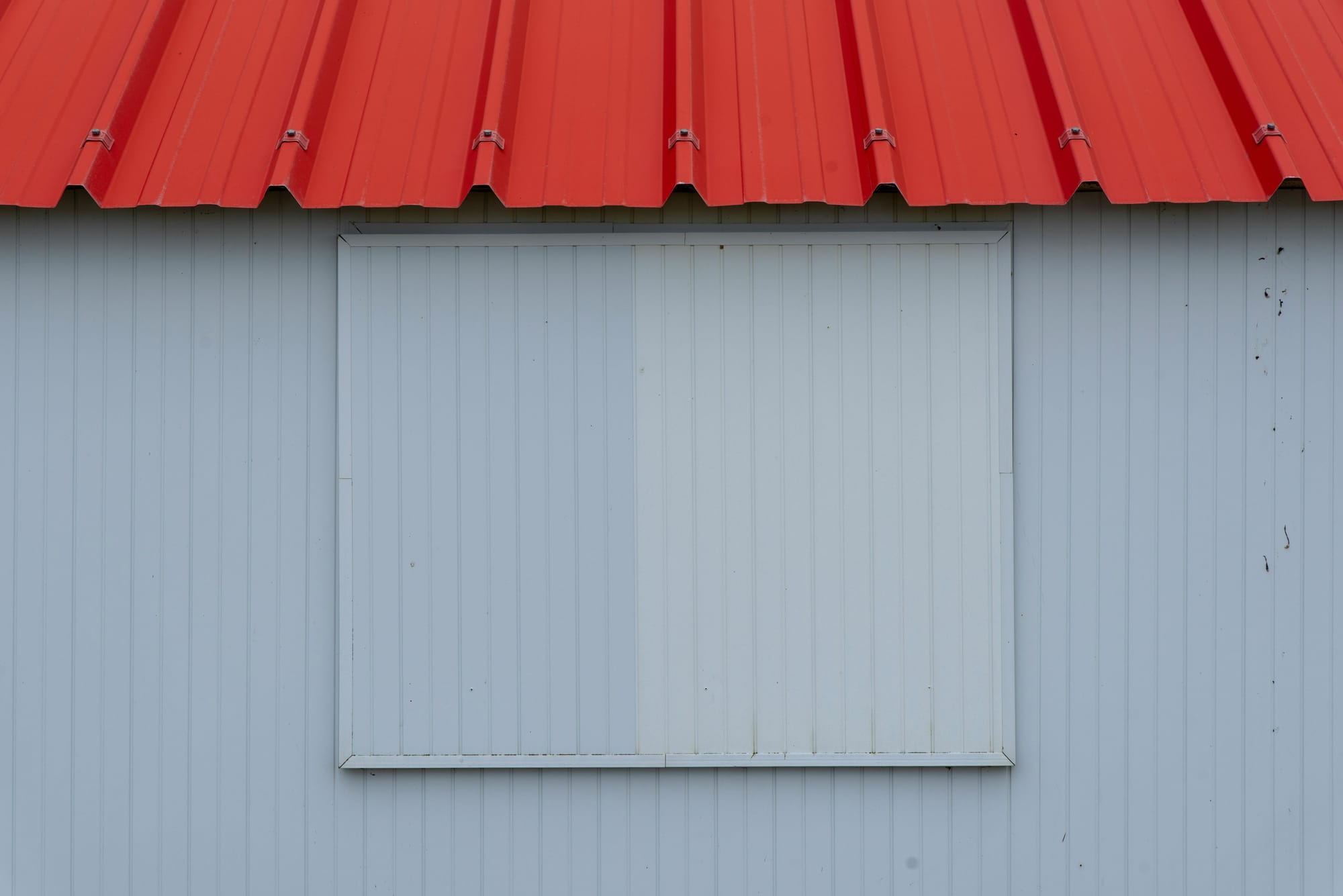
Corrugated panels often appear on sheds and some homes. The profile sheds water well on appropriate slopes, yet fastener placement and washer details matter. Ask how fasteners are protected and how penetrations are sealed.
Metal shingles
Metal shingles mimic traditional shingle appearance with metal components. Ask how the system handles valleys and step flashing at walls.
Material types: steel, aluminum, and more
Steel is common and works well with the right coating and edge protection. Aluminum resists corrosion well in coastal environments, yet it expands more with temperature swings. The Westshore Roofing, Inc. report page lists both steel and aluminum roofing among its metal services, which supports asking bidders to explain material choice based on exposure and roof design.
Bay Area factors that change metal roof details
Coastal salt air
In coastal zones and areas with frequent marine air, corrosion management matters. Ask about:
• Fastener type and coating system
• Dissimilar metal contact, such as copper touching steel
• Edge details that keep water from sitting at cut ends
Microclimates and condensation
Foggy mornings and cool nights raise condensation risk under metal roofing. Underlayment and ventilation strategy become critical. Ask how the system handles:
• Moisture vapor from the attic
• Bathroom fan terminations and kitchen vent terminations
• Intake and exhaust ventilation balance
Attic heat inland
Inland areas such as San Jose, Fremont, and parts of Alameda County see high attic temperatures. Metal reflects solar load well, yet the attic still needs ventilation and insulation alignment. Ask how the metal roof scope addresses attic ventilation and whether any attic fan or vent changes are part of the plan.
Hills and wind exposure
Hillside neighborhoods see stronger gusts. Metal roofing needs fastening patterns and edge details that match wind exposure. Ask what the crew does at:
• Eaves and rakes
• Ridge caps
• Gable end transitions
• Roof-to-wall intersections
Flashing: the make-or-break item
Most roof leaks start at transitions. Metal roofs rely on flashing quality even more than shingle roofs, since water sheds quickly and concentrates at edges.
Flashing areas to confirm in writing:
• Step flashing and counterflashing at sidewalls
• Headwall flashing where a roof ends into a wall
• Chimney flashing, including cricket design when needed
• Valley flashing and valley underlayment reinforcement
• Skylight curb and side flashing
• Vent pipe boots and exhaust terminations
If a bid does not list flashing replacement, ask why. Reusing old flashing often creates future leak points.
Noise concerns: set expectations with design choices
Noise varies by roof assembly and attic insulation. Metal roof noise becomes more noticeable when:
• Attic insulation is thin
• The roof deck is uneven
• Panels lack proper fastening or allow movement
Ask how the roof assembly handles sound. Also ask whether the scope includes any deck repair or smoothing.
Permits and inspections
Roof replacement often triggers permits in many Bay Area cities. Inspections protect you from hidden shortcuts. Ask who pulls permits and who schedules inspections. Also ask how the crew handles dry-in during inspection windows, since Bay Area rain arrives in bursts.
Maintenance and related services
Metal roofs still need maintenance. Gutters clog. Valleys collect leaves. Moss grows in shaded zones on adjacent materials and holds moisture near edges.
The Westshore Roofing, Inc. report page lists related services such as roof inspection, roof leak repair, roof moss removal, and roof coatings, which supports asking for a maintenance plan and inspection routine even after installation.
Bid comparison checklist for metal roofs
Use this checklist to compare proposals:
• Panel system named, standing seam, corrugated, or metal shingles
• Material type named, such as steel or aluminum
• Underlayment type and reinforcement zones listed
• Flashing replacement list by location
• Fastener and edge detail approach described
• Ventilation plan stated, intake and exhaust
• Gutter and drainage tie-ins stated
• Deck repair pricing method stated
• Cleanup and nail sweep plan stated
• Weather protection plan stated
A metal roof project goes best when every transition is described on paper before the first panel arrives. Focus on underlayment, flashing, ventilation, and corrosion control that matches Bay Area microclimates from Daly City fog to inland heat in San Jose and Fremont.