Plumbing Problems to Fix First: Leaks, Drains, and Gas Lines

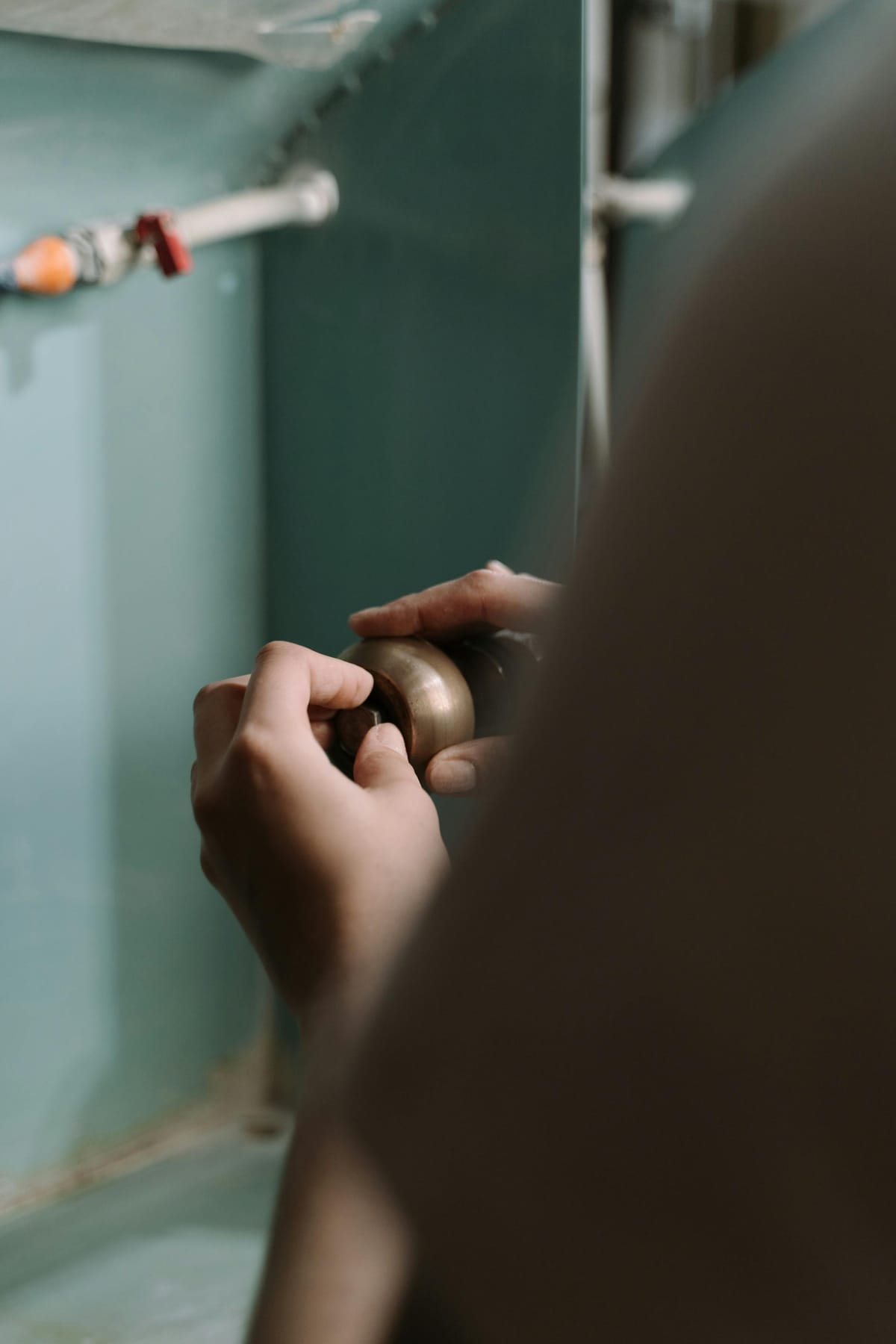
Plumbing failures rarely stay contained. A slow drip turns into a swollen cabinet base. A small leak behind a toilet creates soft flooring. A drain that gurgles becomes a full backup at the worst time. The best plumbing decisions start with triage. Fix the issues that drive damage and safety risk first, then address reliability, then comfort upgrades.
In the Bay Area, many plumbing systems reflect mixed eras. Older galvanized lines show corrosion and reduced flow. Cast iron drain segments show rust and scaling. Remodels add transitions between old and new materials. Hills influence drainage behavior, and older crawlspaces make access tight. A practical plan focuses on diagnosis, documentation, and clear scope boundaries.
Triage, decide what needs attention first
Start with a prioritized list. This prevents spending time on low impact fixes while water damage grows.
High priority, damage or safety risk:
• Active leaks at supply lines, shutoffs, water heaters, or under sinks
• Toilet base leaks and rocking toilets
• Sewer odors and repeated drain backups
• Gas odors or gas appliance connection concerns
• Water heater leaks and relief valve discharge issues
Medium priority, performance and reliability:
• Slow drains that return after cleaning
• Low pressure in multiple fixtures
• Hot water delays and temperature swings
• Noisy pipes and water hammer events
• Aging shutoff valves that barely turn
Lower priority, comfort and upgrades:
• Fixture style upgrades
• Adding filtration for taste and sediment
• Adding hose bibs or relocating minor fixtures
This triage list helps shape a scope that fits your home’s risk profile.
Leak detection, insist on location clarity
Many leaks hide in walls, under slabs, and in crawlspaces. A good diagnosis identifies a location and a likely source.
Useful leak documentation:
• Photos of stained areas and moisture meter readings when used
• Notes on whether the leak is constant or pressure related
• Identification of the material and fitting type at the leak
• A plan for access, drywall opening, crawlspace entry, or cabinet removal
• Steps to confirm repair success, pressure checks and visual verification
Ask the plumber to explain the water pathway. Water often travels along framing before it shows up at a ceiling stain.
Shutoff valves, small parts that matter on bad days
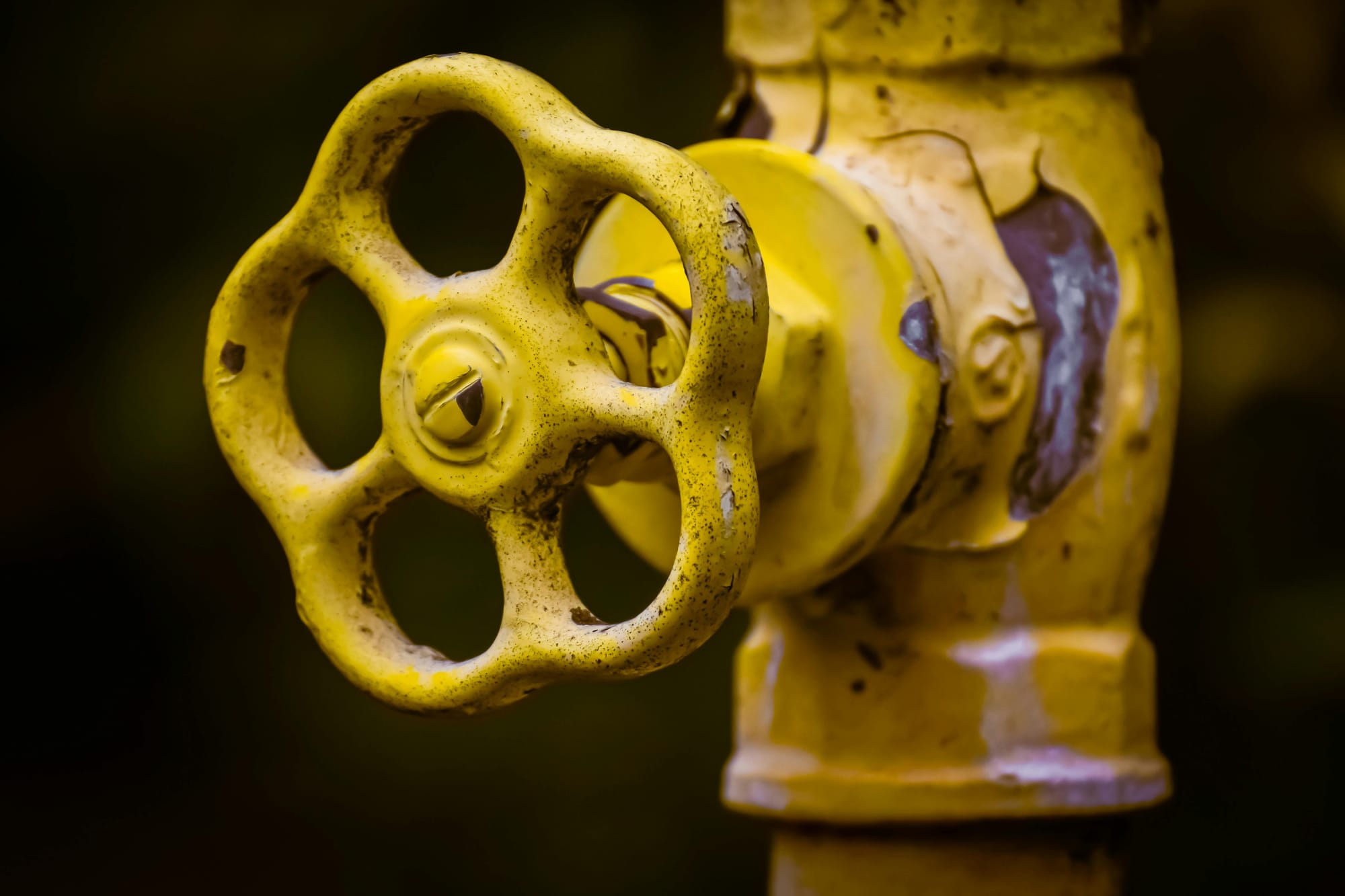
Every home needs functioning shutoffs. Old valves fail when you need them most.
Key valve locations:
• Main house shutoff
• Water heater shutoff
• Fixture shutoffs under sinks and behind toilets
• Irrigation shutoff if applicable
If a valve is stiff or leaks at the stem, address it during other work. A working shutoff limits damage during future emergencies.
Drain problems, match the method to the blockage
Drain issues have different root causes. A one size approach leads to repeat clogs.
Common causes:
• Hair and soap buildup in bath drains
• Grease buildup in kitchen lines
• Scale and corrosion in older metal drains
• Root intrusion in sewer laterals
• Poor slope and bellies in drain lines
Ask for a method that fits the cause:
• Mechanical cleaning for localized blockages
• Hydro jetting when wall buildup is heavy and pipe condition supports it
• Camera inspection for recurring problems and suspected sewer issues
A plan without evidence often becomes repeated service calls.
Toilet issues, treat rocking and base leaks seriously
A rocking toilet is not only annoying. It often signals a failed wax ring, damaged flange, or soft subfloor.
Ask to check:
• Flange condition and height relative to finished floor
• Subfloor condition around the flange
• Proper fastening and shimming for stability
• Leak evidence at the base and in the ceiling below
Fixing a toilet base leak early prevents hidden rot.
Water heater decisions, focus on site constraints
Water heater replacement decisions depend on location, venting, bracing, and leak control.
Key questions:
• Drain pan and drain route, especially for closets and attics
• Venting condition for gas units and draft verification steps
• Seismic bracing plan
• Shutoff valve condition and relief valve discharge routing
• Expansion tank discussion where required by setup
A replacement scope should list these details, not only the tank size.
Gas piping work, treat it as its own scope
Gas line work deserves a clear plan and careful testing.
Ask for:
• Identification of the gas line material and connection method
• Leak testing approach after work
• Appliance connector condition and replacement boundaries
• Venting and combustion air observations for gas appliances
If you ever smell gas, treat it as urgent and stop using the appliance until inspection occurs.
Permits and inspections, plan for the process
Some plumbing work requires permits, especially water heaters and major re piping or gas changes. Local rules vary across the Bay Area.
Ask:
• Whether the scope typically involves a permit in your city
• Who handles permit and inspection scheduling
• What inspection points apply, bracing, venting, pressure tests, cleanouts
• How work is documented for future reference
Documentation helps during future repairs and real estate inspections.
A clear written scope prevents surprise add ons
Plumbing bids vary due to access and unknown conditions. You still deserve clarity.
Ask for a written scope that includes:
• Work locations and fixtures involved
• Access assumptions, crawlspace entry, drywall opening, cabinet removal
• Materials and fitting types where known
• Testing steps after work
• Cleanup boundaries and patch repair boundaries if openings are made
If surprises appear, ask for a stop point and a written change description before additional work begins.
How to compare plumbers for a mixed repair list
Use a consistent checklist:
• Diagnosis clarity and evidence, photos, notes, inspection findings
• Scope detail and access assumptions
• Prioritization advice aligned with damage risk
• Testing steps after repairs
• Permit and inspection awareness
• Communication plan for discovery conditions
Mike Testa Plumbing, Inc. lists plumbing services that include drain cleaning, leak detection, sewer pipe work, gas pipe repair, toilet repair, emergency plumber services, and water heater installation, repair, and replacement. The Mike Testa Plumbing, Inc. company report page works as a neutral reference while you compare providers across common plumbing scopes and decide which bid offers the clearest plan for diagnosis and verification.
A plumbing plan that starts with triage and documentation reduces stress. Fix active leaks and safety risks first. Then address drains and reliability. After that, comfort upgrades feel easier and less urgent.
FAQs
What plumbing problem should I fix first
Active leaks and any gas related concern. Water damage and safety risk grow fast, and delays increase repair scope.
How do I know if a leak is pressure related
Pressure related leaks often appear when fixtures run or when water pressure changes. A plumber can confirm with pressure checks and targeted isolation.
When should I request a camera inspection
When backups repeat, gurgling involves multiple fixtures, sewer odors persist, or clogs return shortly after snaking.
Is hydro jetting always better than snaking
No. Jetting is great for heavy buildup when pipes can handle it. Some older or damaged lines need gentler methods or repair first.
Why is a rocking toilet a big deal
It can mean a failed wax ring, a damaged flange, or soft subflooring. That combination often leads to hidden rot and ceiling stains below.
What should be included in a water heater replacement scope
Pan and drain plan, venting checks and draft verification for gas units, seismic bracing, shutoff condition, relief discharge routing, and expansion tank discussion when needed.
How should gas line work be verified after repairs
Ask for leak testing steps after work and clear boundaries on connector replacement and appliance connection inspection.