Preparing for a Smog Check: A Calm Guide for Bay Area Drivers

For Bay Area drivers, smog checks are simply part of owning a car. They’re required to help keep air quality under control in a region with millions of vehicles and varied geography that can trap pollution. Even so, many people feel a little anxious when it’s time for their next test—especially if they’re driving an older car or one with high mileage.
The good news is that a smog check doesn’t have to be stressful. Understanding what the test is, how to prepare, and what to do if your car doesn’t pass can make the process feel more routine and less mysterious.
This guide offers a straightforward overview of smog checks, tailored to everyday Bay Area drivers who just want to stay compliant and avoid unpleasant surprises.
What Is a Smog Check, Really?
A smog check is essentially an emissions inspection. Depending on your vehicle’s age, type, and the specific testing requirements at the time, it may include:
- Verifying that required emissions control components are present and properly connected.
- Checking your vehicle’s on-board diagnostics (OBD) system for trouble codes.
- Measuring tailpipe emissions on certain vehicles.
- Inspecting the gas cap and visible components for leaks or tampering.
The goal is to ensure your car isn’t releasing more pollutants than it should according to applicable standards.
When You Need a Smog Check
Most drivers encounter smog checks:
- When registering a vehicle in California (if it’s not exempt).
- On a regular schedule when renewing registration, typically every two years for many vehicles.
- When transferring ownership in certain situations.
Not all vehicles are subject to the same rules—very new vehicles and some older or specialty vehicles may have different rules—but many everyday cars and light trucks in the Bay Area will be tested regularly.
Common Reasons Cars Fail Smog
Understanding typical failure points can help you prepare:
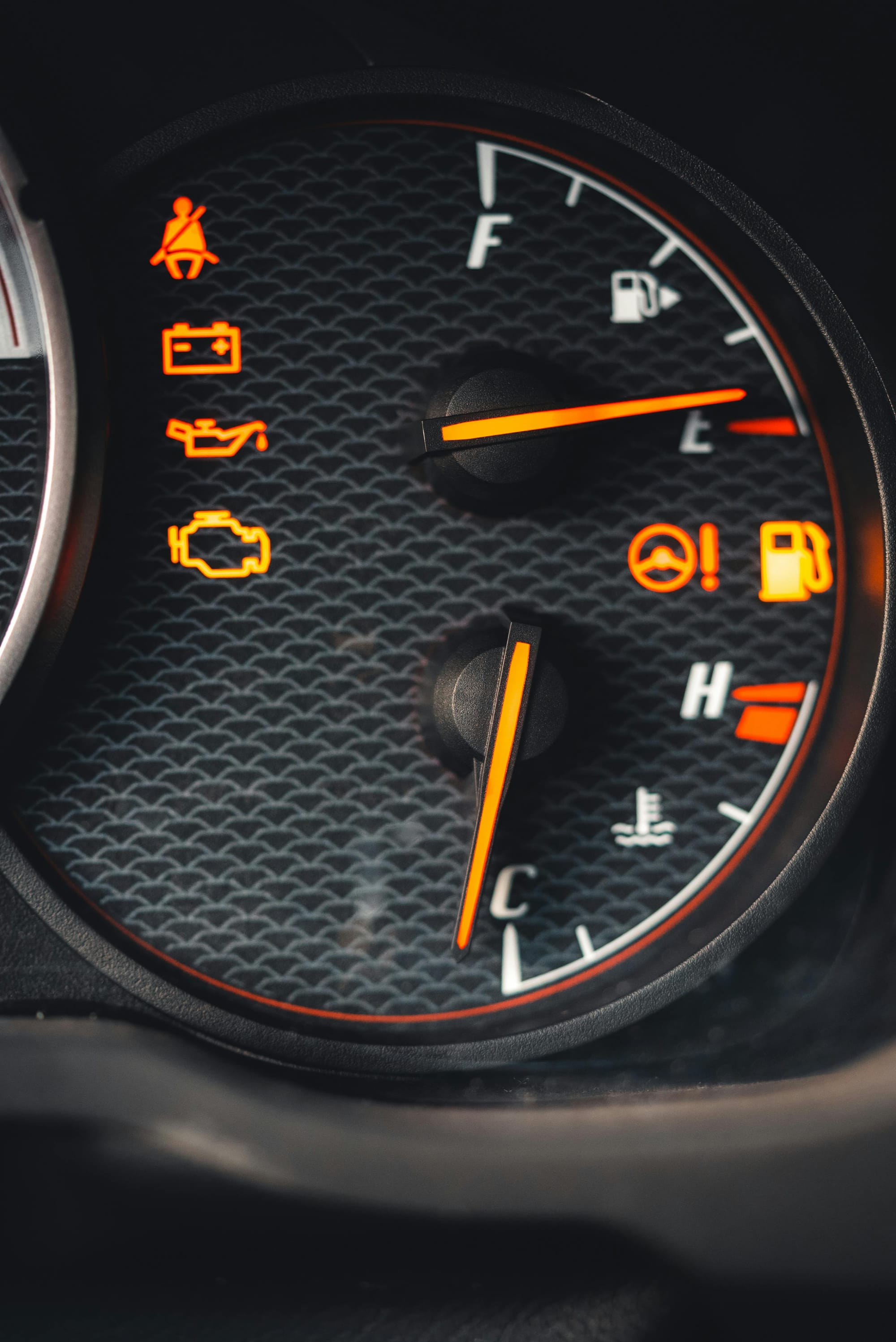
- Check engine light on: An illuminated “Check Engine” or malfunction indicator light often means an automatic smog failure.
- Recent battery disconnect or code reset: If someone recently cleared codes or disconnected the battery, your car’s readiness monitors may not have completed, leading to a “not ready” result.
- Worn ignition components: Misfires or poor combustion can increase emissions.
- Problems with the catalytic converter or oxygen sensors: These are key components in controlling exhaust emissions.
- Evaporative system issues: Leaks or faults in the system that controls fuel vapors can also cause failures.
A smog check doesn’t repair these issues—it simply detects them. Addressing them ahead of time can save you an extra trip.
Basic Steps to Prepare for a Smog Check
You don’t need special skills, but a few simple steps can improve your odds of a smooth test:
- Make sure there’s no check engine light.
If the light is on, it’s best to have the issue diagnosed and addressed before heading to a test facility. - Drive your car regularly leading up to the test.
Short, infrequent trips can keep certain self-checks (monitors) from completing. A few days of normal mixed driving can help your car’s system update its status. - Avoid testing immediately after a major repair or battery disconnect if codes were cleared.
Your vehicle needs time and miles to run its internal tests. Ask your repair shop how long to drive before testing. - Address obvious maintenance issues.
Fresh air filters, properly inflated tires, and up-to-date oil changes won’t guarantee a pass, but they support overall engine health. - Warm up the car before the test.
Arriving with the engine at normal operating temperature can help systems perform as intended.
Choosing a Smog Check Station
Not all smog stations are identical. Some are “test-only,” while others are licensed to both test and repair. When looking at Bay Area smog check services, think about what you want:
- If you prefer to separate testing from repairs, a test-only station may appeal to you.
- If you’d like the option to handle minor issues in one place, a test-and-repair station might be convenient.
In either case, consider:
- Location and access (parking, ease of entry/exit).
- Appointment availability vs. walk-in.
- Clear pricing and whether re-tests are discounted or included under certain conditions.
Reading recent customer experiences can also give you a sense of wait times and communication style.
What Happens During the Test
While specifics can vary, you can expect:
- Paperwork and vehicle info: You provide registration and related details.
- Visual inspection: The technician checks for required components and obvious tampering.
- Diagnostics and emissions checks: The vehicle’s OBD system is scanned, and, if applicable, tailpipe emissions are measured.
- Results: You receive a report showing pass/fail status and any codes or issues noted.
If you pass, the results are usually transmitted electronically to the DMV, and you’re done until the next scheduled check.
If Your Vehicle Fails
A failure isn’t the end of the world, but it does mean:
- The specific issues will need to be diagnosed and repaired.
- In some cases, there are guidelines for how much you must attempt to repair, depending on the nature of the failure and local rules.
- You’ll return for a re-test once repairs are complete.
If you fail:
- Ask for a clear explanation of why and a copy of the report.
- Share the report with your repair shop so they can focus on relevant systems.
- Keep records of repairs and test results in case you need them later.
A reputable shop will help you understand which repairs are essential for emissions and which are more about long-term maintenance.
Everyday Habits That Support Cleaner Running
Between smog checks, a few habits can help keep your car running more cleanly:
- Keep up with scheduled maintenance.
- Address warning lights promptly, rather than ignoring them.
- Avoid repeatedly “topping off” the gas tank after the nozzle clicks off.
- Pay attention to unusual smells, noises, or performance changes and have them checked.
These steps support both emissions performance and overall reliability.
Bringing It All Together
Smog checks are a routine part of driving in the Bay Area, but they don’t have to be a source of worry. By understanding what the test looks for, paying attention to warning lights, driving your car regularly, and choosing a smog station that fits your preferences, you can approach each check as just another item on your maintenance list.
With that mindset—and a bit of basic preparation—staying compliant with emissions requirements becomes simpler, and you do your part to help keep the air a little cleaner for everyone who shares the roads and neighborhoods around you.
ChatGPT can make mistak