Privacy Without Living in the Dark — Window Tinting Tips for Phoenix Homes

Start with the real privacy problem
“Privacy” means different things in different neighborhoods.
In Phoenix, homeowners usually want to block:
- A sidewalk view into the living room
- A neighbor’s second-story sightline
- A direct street view into the kitchen
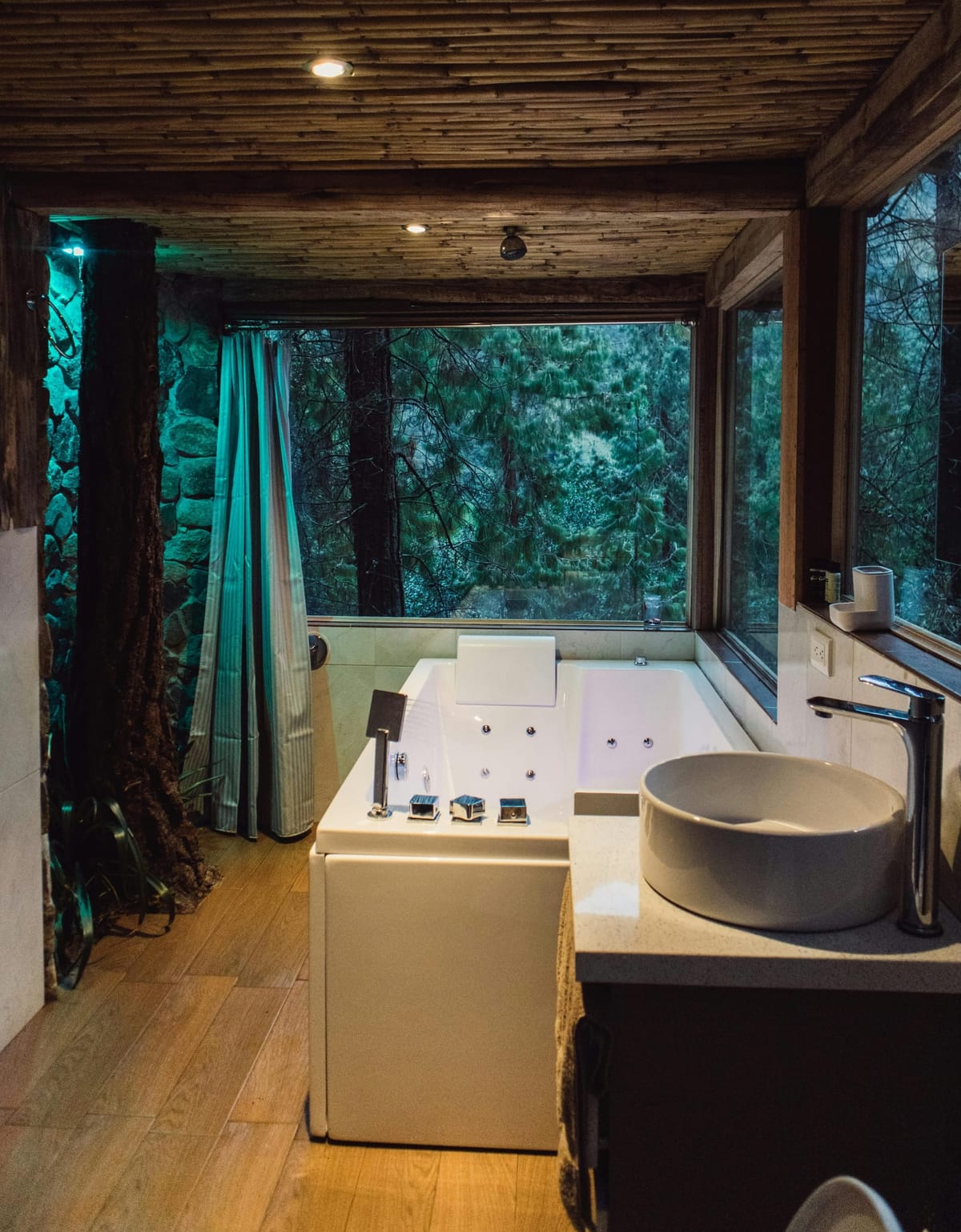
- A bathroom window that feels exposed
- A front door sidelight that shows too much
Before you pick a film, pick your problem window.
That one decision saves you money and frustration.
The two kinds of privacy you should plan for
Daytime privacy
This matters when the sun stays up and people walk by.
Nighttime privacy
This matters when your lights come on and your windows turn into mirrors from the inside.
Many homeowners assume one film solves both.
It usually doesn’t.
A lot of “privacy films” work best in the day. At night, your interior lighting can reveal more than you want.
That doesn’t mean tinting fails. It means you choose the right tool for your situation.
Privacy film options that work well in Phoenix
Here are common options that fit our light and heat:
1) Reflective or dual-reflective film
This adds a mirrored look from outside in daylight. It can also cut glare and heat.
Dual-reflective film often looks more neutral inside. It can feel easier to live with.
2) Frosted or decorative film
This blocks views all day and night because it changes the glass itself.
It works great for:
- Bathrooms
- Front door glass
- Sidelights
- Laundry room windows
You still get light. You lose the clear view.
3) Light, neutral solar film plus shades
This is the “balanced” approach.
You reduce heat and glare with a lighter film. You add privacy when needed with roller shades or curtains.
A lot of Phoenix homes land here because it looks clean and natural.
How to avoid the “office building” look
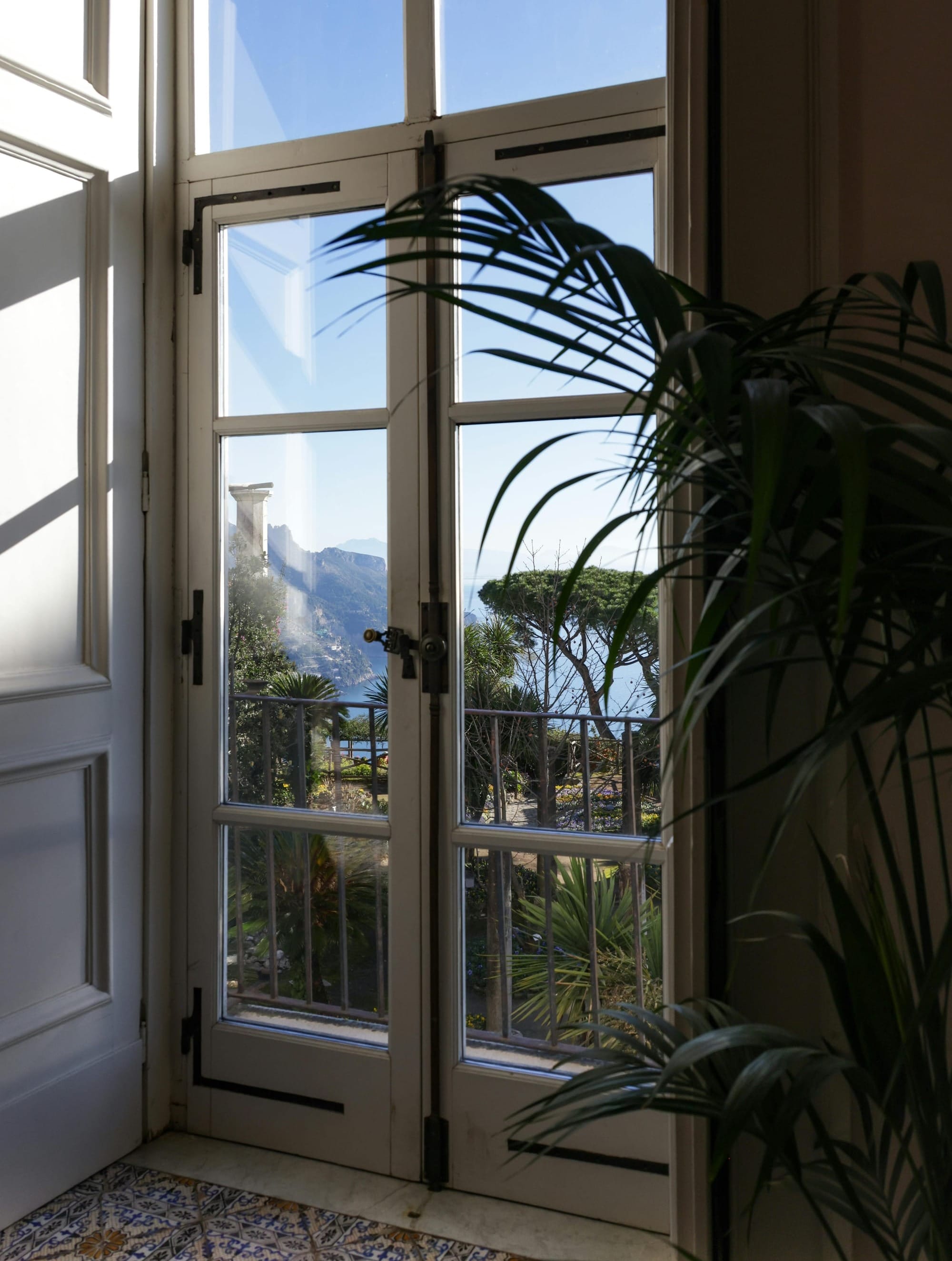
Some homeowners avoid tint because they picture dark, reflective glass.
You can keep things subtle.
Ask for:
- Neutral tone samples
- Lighter VLT options that still reduce heat
- Films designed for residential exteriors
- HOA-friendly reflectivity levels
A good installer can show you real samples on glass, not just a brochure.
The Phoenix-specific privacy challenge: sun angle
In Phoenix, the sun sits high. Then it drops low in late afternoon.
That changes what people can see through your windows.
A film that feels private at noon might feel less private at 5 p.m. on a west-facing window.
Quick test: Check your problem window at the exact time privacy bothers you.
Walk outside. Stand where a neighbor or passerby would stand. Check what you can see.
It takes five minutes. It prevents the wrong choice.
Rooms that benefit most from privacy tinting
Front living rooms
These often face the street. You want light, but you don’t want a fishbowl.
Kitchens with side-yard exposure
Neighbors and delivery people pass by. You spend real time in this room.
Bathrooms
Decorative film gives you privacy without blocking light. It also looks tidy.
Home offices
Tint cuts glare and reduces the “I feel on display” vibe during video calls.
What to do about nighttime privacy
You have three realistic options.
Option 1: Pair privacy film with shades
This works for most homes. You get daytime comfort and nighttime control.
Option 2: Use decorative film on the windows that need 24/7 privacy
Bathrooms and entry glass fit this best.
Option 3: Adjust your lighting
Bright lights near windows make privacy harder. Softer lighting deeper in the room helps.
You don’t need to overhaul your whole house.
A simple lamp placement change can help more than you expect.
Glare and privacy often show up together
If you want privacy, you probably hate glare too.
That’s common in Phoenix homes with:
- Tile floors
- Bright walls
- Big windows
- Open floor plans
Film can cut that harsh “white-out” glare.
It also helps with screen time. Your TV and laptop look clearer. Your eyes feel less tired.
Choosing the right film for each window
You do not need one film for every window.
Mixing films can look consistent when you do it with intention.
Here’s a simple matching strategy:
- Use a neutral solar film for most living spaces
- Use a slightly stronger film on west windows
- Use decorative film on bathrooms and entry glass
This keeps the exterior look uniform while you solve different problems inside.
HOA concerns in Phoenix neighborhoods
Some HOAs care about reflectivity and exterior appearance.
If you live in an HOA community, do this early:
- Ask what they allow for window tint
- Ask about reflectivity limits
- Ask whether they require a specific color tone
Then show those rules to your installer.
You’ll avoid a redo and a headache.
Installation tips that protect your view
Even the best film can look bad if the install goes wrong.
A quality installer:
- Cleans glass carefully
- Avoids dust and edge lifting
- Cuts film cleanly and evenly
- Explains curing time and care
If you want a crisp look, ask about:
- Edge finish
- Warranty coverage
- Film brand and grade
You should never feel rushed through these questions.
FAQs
Will privacy film make my rooms darker? Not always. Frosted and decorative films can keep light while blocking views. Some reflective films reduce brightness more. Can I tint only the bottom half of a window? Yes. This works well for street-facing windows. You keep light and block direct sightlines. Will film damage my windows? A pro should match film to your glass type. That reduces risk. Does privacy film reduce heat too? Many privacy-friendly films also reduce heat and glare. Ask for a film that targets sun control if heat bothers you.
The bottom line
You can get privacy without shutting out your home.
Window tinting works best when you match the film to the window and the time of day you need privacy most.
If you want help choosing the right setup, a local consult can save you from trial-and-error.