Protecting the People Who Care for Us: How Panic Button Technology Is Transforming Healthcare Worker Safety

Healthcare is built on compassion, trust, and quick action. But for too many nurses, physicians, techs, and home health professionals, the workplace is no longer synonymous with safety. Verbal abuse, physical assaults, and even active shooter incidents are no longer rare headlines — they’re a daily concern.
According to federal data, healthcare workers are five times more likely to experience workplace violence than employees in other industries, and they account for the vast majority of nonfatal workplace violence–related injuries. JAMA Network This reality is driving hospitals, clinics, and home health agencies to rethink how they protect their teams.
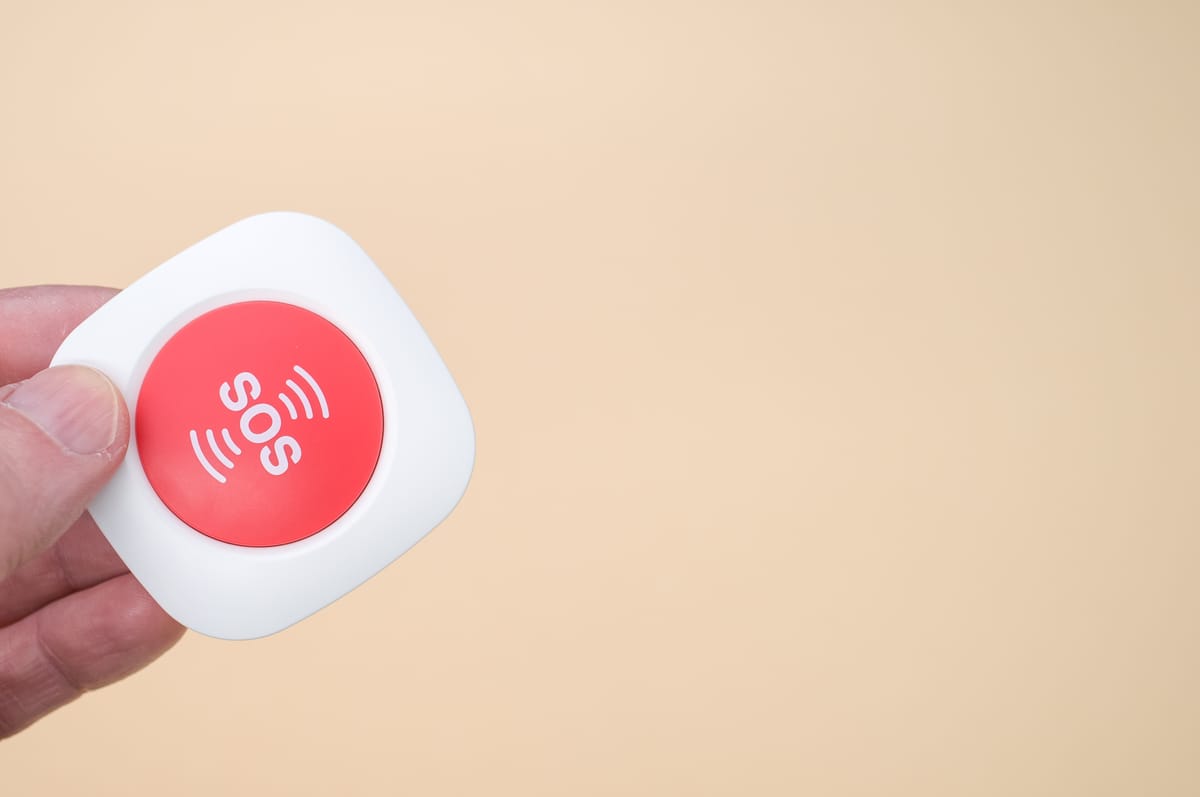
One of the most effective tools now emerging at the center of healthcare safety strategies is the panic button — especially modern, mobile systems designed specifically for clinical environments. Companies like Response Technologies have built comprehensive solutions that empower healthcare workers to request help instantly, wherever they are, and ensure that the right responders get accurate information in seconds. Response Technologies
In this guide, we’ll explore why panic buttons are becoming essential in healthcare, what to look for in a solution, and how Response Technologies supports worker safety both inside facilities and out in the field.
The Safety Crisis in Healthcare
The rising tide of violence in healthcare is not a temporary spike — it’s a trend. Over the last decade, the rate of injuries from violent attacks against medical professionals grew dramatically, and nurses report a sharp increase in workplace violence, especially since the COVID-19 pandemic
For healthcare organizations, the impact is profound:
- Staff safety and morale: Frequent threats and assaults drive burnout, anxiety, and turnover.
- Patient care: Teams that feel unsafe are more likely to experience distraction, fatigue, and errors.
- Reputation and compliance: Regulators, accrediting bodies, and patients are increasingly focused on how facilities protect staff and visitors.
- Financial costs: Workplace violence can result in workers’ compensation claims, legal liability, security upgrades, and recruitment challenges.
Traditional approaches — like overhead paging, fixed wall-mounted pull cords, or relying solely on calling security — can’t keep up with today’s risks. They’re often slow, location-limited, and easy for aggressors to see, which can escalate situations.
Healthcare organizations need something better: discreet, fast, accurate panic button systems that match the pace and complexity of modern care.
Why Healthcare Needs Modern Panic Button Systems
In healthcare, seconds matter — not only during cardiac arrests and trauma cases, but during a violent outburst, a threatening visitor, or an active shooter event. When a nurse or social worker feels unsafe, they need a way to call for help that is:
- Instant: Help is requested with a single press, not a series of steps.
- Discreet: The aggressor doesn’t see or hear the call for assistance.
- Location-aware: Responders know exactly where to go, even in large or complex facilities.
- Reliable: The system works during high-stress moments and integrates with existing radios and workflows.
That’s precisely where specialized healthcare panic button solutions come into play. Rather than generic alarms, they’re built for the realities of hospitals, clinics, behavioral health units, and home health visits — where staff are constantly on the move and working in unpredictable environments.
What to Look For in a Healthcare Panic Button Solution
If your organization is exploring panic button technologies, here are some capabilities that should be on your checklist:
- Mobile and Flexible Devices Healthcare teams are mobile. Nurses round between rooms, physicians float between departments, and home health staff drive from patient to patient. Panic buttons must travel with them — on lanyards, badges, fobs, or mobile devices — not stay stuck to a wall.
- Fast Alert Delivery (Measured in Seconds) When a situation escalates, waiting 30 seconds can feel like an eternity. High-performing systems trigger alerts and route notifications in under two seconds, so security or law enforcement can respond immediately.
- Direct-to-Responder Communication One of the most powerful advances in panic button systems is direct integration with two-way radios used by security teams and onsite law enforcement. Instead of relying on a switchboard or intermediate operator, alerts can go straight to the people who are trained to respond.
- GPS and Indoor Location Accuracy In sprawling hospitals or offsite visits, location is everything. Mobile GPS panic buttons can report the user’s position in real time — inside and outside the facility — so responders aren’t wasting time searching.
- Scalability and Integration A panic button system should integrate with your existing radios, security infrastructure, and workflows. From a centralized command center, staff should be able to monitor alerts, review logs, and adjust settings without completely reinventing their infrastructure.
- Support for Multiple Threat Types Healthcare facilities face more than just one type of incident. Panic button systems that can handle duress calls, home health emergencies, and gunshot detection on a unified platform simplify training and response.
Response Technologies has designed its offerings with these real-world healthcare needs in mind.
How Response Technologies Supports Healthcare Worker Safety
Response Technologies focuses specifically on protecting high-risk environments like hospitals, clinics, and home health services. Its solutions are built around enabling fast, precise, and reliable communication during urgent events.
From the mobile GPS panic button to advanced gunshot detection, here’s how their technology helps protect healthcare workers at every stage of care. Response Technologies
1. Mobile GPS Panic Button for Healthcare Professionals
Healthcare doesn’t just happen inside hospital walls. Home health nurses, hospice teams, and social workers often enter unfamiliar environments alone. Response Technologies offers a mobile GPS panic button that provides personal protection wherever staff go.
With a single press, a worker can:
- Send an alert to a designated audience (such as a dispatch center or security team).
- Optionally route the call directly to 911, depending on your configuration.
- Share accurate GPS location data so responders know where help is needed.
This kind of mobility is especially valuable for:
- Home health and hospice professionals entering private residences.
- Behavioral health and social services staff working offsite.
- Mobile clinics and outreach teams operating outside of secure facilities.
Instead of relying on a phone call — which may not be possible if a situation escalates — a discreet panic button becomes a lifeline.
2. Nurse & Staff Panic Button Inside the Facility
Inside hospitals and clinics, nurses and frontline staff are often the first to encounter aggression — whether from patients, visitors, or even other staff.
Response Technologies’ Nurse & Staff Panic Button solutions are designed to support these front-line roles with:
- Wearable or strategically placed panic buttons that allow for single-press activation.
- Alerts that can reach security in under two seconds, reducing response time when every moment counts.
- Flexible deployment across emergency departments, inpatient units, outpatient clinics, and specialty areas.
For organizations, this means that a nurse in a patient room, a registrar in the lobby, or a tech walking a hallway can all use the same panic button ecosystem — simplifying training and empowering staff.
3. Direct-to-Responder Radios for Faster, Smarter Communication
In a crisis, the fewer steps between an alert and a responder, the better. Response Technologies supports direct-to-responder radios, allowing panic alerts, gunshot detections, and other critical events to be transmitted straight to the radios of onsite law enforcement or private security. Response Technologies
This approach offers several advantages:
- No delay waiting on a dispatcher to read and relay the information.
- Responders hear the alert in real time and can move instantly toward the location.
- Alerts can be prioritized based on type — for example, differentiating between a staff duress call and an active shooter detection.
For healthcare organizations, direct-to-radio alerting helps close the gap between “danger recognized” and “help is on the way.”
4. Home Health Safety: Protection Beyond the Hospital
Home health care is one of the fastest-growing segments of healthcare — and also one of the most vulnerable from a safety standpoint. Staff members may be alone in a patient’s home, dealing with family dynamics, pets, neighborhood risks, or unknown conditions.
Response Technologies addresses this challenge with home health safety solutions that extend the protection of the hospital out into the community. By equipping mobile staff with GPS-enabled panic buttons, organizations can:
- Provide a reliable, discreet way to summon help during a home visit.
- Equip supervisors and security teams with real-time location visibility.
- Build greater confidence and retention among staff who might otherwise feel exposed in the field.
5. Integrated Gunshot Detection for Worst-Case Scenarios
While no one wants to imagine an active shooter in a hospital, recent events across the U.S. demonstrate that healthcare environments are not immune to this threat. AP News
Response Technologies’ Centurion Elite platform combines gunshot detection and panic alarms in a single integrated system. When the system detects a gunshot:
- It sends an immediate notification to law enforcement or security radios — often in less than two seconds.
- Alerts can be paired with other actions, such as door monitoring, public address announcements, or automated notifications.
Having gunshot detection and panic capabilities on the same platform simplifies deployment, improves reliability, and helps facilities respond faster in these rare but devastating situations.
Implementing Panic Button Technology in Healthcare: Best Practices
Adding panic button systems isn’t just a technology project — it’s a change management initiative that touches security, clinical operations, and organizational culture. Here are some best practices to help your healthcare organization succeed:
- Start with a Risk Assessment Map your highest-risk areas: emergency departments, behavioral health units, lobbies, parking areas, home health routes, and any location with a history of incidents. This will help you prioritize where to deploy panic button devices first.
- Involve Frontline Staff in Design Nurses, techs, and home health staff know where they feel unsafe — and what would make them feel more secure. Their feedback on device form factor, placement, and workflow integration is invaluable.
- Integrate with Existing Radios and Infrastructure A key strength of Response Technologies is its ability to tie into existing radio systems, door monitoring, and security workflows, minimizing disruption and maximizing value.
- Train Regularly and Scenario-Test Panic buttons are only effective if staff instinctively know how and when to use them. Build training into onboarding and continuing education. Run drills that simulate real-world events — from an aggressive visitor to an active shooter — so staff and security can refine their response.
- Measure and Review Use reporting tools to review alert activity over time. Patterns can reveal hot spots, staffing issues, or process changes needed to improve safety.
The Human Impact: More Than Just Technology
At its core, panic button technology isn’t about gadgets — it’s about people.
When healthcare workers know they can summon help instantly, they’re more likely to:
- De-escalate situations with confidence, knowing backup is just one press away.
- Remain in the profession rather than leaving due to safety concerns.
- Provide calmer, more focused patient care, even in high-stress settings.
For leaders, investing in a comprehensive safety solution from a specialized provider like Response Technologies sends a powerful message: “Your safety matters as much as the care you deliver.”
Moving Forward: Building a Safer Future in Healthcare
Workplace violence in healthcare isn’t going to disappear overnight, but organizations are far from powerless. By pairing strong policies and training with advanced technology — including mobile GPS panic buttons, nurse and staff devices, direct-to-responder radios, home health safety tools, and integrated gunshot detection — healthcare systems can dramatically improve safety for the people who care for us. Response Technologies
If your facility is ready to rethink how it protects staff, it may be time to explore what Response Technologies can do for you — from customized panic button deployments to holistic healthcare safety solutions.