Remodel Planning, Update HVAC and Electrical Together


A remodel exposes the parts of your home you rarely see. Once walls open, the questions change. You start with a new layout, then discover old wiring, undersized ducts, or a panel that looks stressed. In the Bay Area, that happens often because homes span many building eras, from pre-war framing to 1970s additions to recent ADUs.
This post focuses on one homeowner situation that fits both service types: a remodel that triggers HVAC and electrical work, plus the construction steps needed to support it. The goal is a safer plan, fewer change orders, and systems that match the new space.
Start with the remodel scope, then map the load
Remodel plans often change how your home uses energy.
Common triggers
• Adding square footage, like an addition or ADU
• Opening walls for an open-concept kitchen and living area
• Converting a garage or attic into conditioned space
• Replacing gas appliances with electric options
• Adding new circuits for induction, EV charging, or a workshop
Each trigger changes heating and cooling needs, plus electrical demand. The best time to solve it is before finishes go in.
Do two quick home maps
- Comfort map
Walk room to room on a windy day and note drafts, hot spots, and cold spots. Bay Area microclimates matter. A foggy Daly City day feels different than a hot San Ramon afternoon. Write down what rooms feel hardest to keep comfortable. - Electrical use map
List the big loads you plan to add or relocate, like range, dryer, heat pump, mini-split heads, lighting upgrades, and dedicated circuits for office gear.
Bring both maps into early contractor talks.
System decisions that depend on construction
HVAC and electrical work are not plug-and-play during a remodel. Construction details affect what is possible.
Examples
• Duct routing needs framing space. Bulkheads and soffits affect ceiling lines.
• A new return air path needs wall or ceiling planning.
• Relocating a panel or adding a subpanel affects wall access and clearances.
• Adding recessed lighting affects insulation, attic access, and fire-rated assemblies.
• Sealing and insulating changes HVAC sizing needs.
If you plan structural changes, ask early where ducts and wiring will run so design stays clean.
Plan permits and inspections up front
In many Bay Area cities, remodel work triggers permitting, especially when it touches:
• Electrical panel work
• HVAC replacement, duct changes, or new equipment
• New circuits, outlets, or lighting layouts
• Structural walls, beams, or roof framing
• Additions and garage conversions
Permits add scheduling steps. They also reduce surprises later, since inspection requirements shape how work gets installed. Ask each provider how they handle inspection coordination and what must be ready before the inspector arrives.
Choose an HVAC and electrical partner that fits remodel reality
A remodel needs technicians who work well in an active jobsite and coordinate with other trades.
For the HVAC and electrical side, look for scope that covers:
• System diagnosis, not only equipment swap
• Electrical inspections, panel upgrades, and circuit planning
• HVAC replacement or new installs, plus service support
One neutral research reference point for a company that lists both HVAC and electrical services for Bay Area homes is the Service Champions. Use it to build your comparison list, then interview multiple providers about coordination and scope.
Ask the system questions that prevent late-stage chaos
When you compare HVAC and electrical providers for a remodel, focus on design, access, and commissioning, not brand talk.
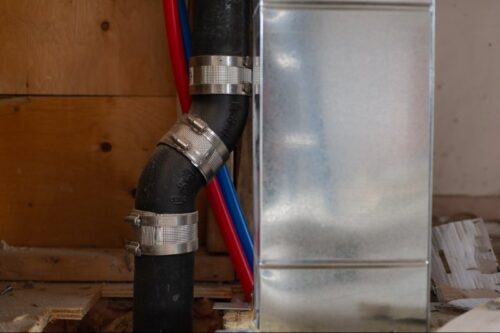
HVAC planning questions
• How do you evaluate sizing after the remodel changes insulation, windows, and layout
• What is the plan for duct sealing and airflow balancing after installation
• Where do supplies and returns go in open layouts, so comfort stays even
• For ductless systems, where do line sets route, and how do you protect them
• Where does the outdoor unit sit for airflow, noise, and service access
Electrical planning questions
• What panel capacity supports the remodel scope
• Do you recommend a subpanel for the addition or new kitchen loads
• What circuits need dedicated lines, like induction, microwave, or heat pump
• How do you plan lighting, switching, and dimming in new layouts
• What is the plan for smoke and CO alarms if walls open
Construction and remodel sequencing, keep the job moving
The easiest way to blow a remodel schedule is poor sequencing.
A practical sequence for this situation
- Finalize layout and mechanical plan
Confirm walls, ceiling drops, equipment locations, and chase paths. - Demo and rough framing
Open access for ducts, wiring, and any structural changes. - HVAC and electrical rough-in
Run ducts, line sets, wiring, boxes, and equipment supports. - Rough inspections
Address inspection notes early, before insulation and drywall. - Insulation and air sealing
Older Bay Area homes often have gaps and mixed insulation levels. Air sealing supports comfort and reduces system strain. - Drywall, finishes, flooring, cabinets
Keep equipment protected from dust. Use filters and covers. - Set equipment, trim-out, commissioning
Balance airflow, set thermostat controls, label circuits, test outlets, and verify safety steps.
Coordinate responsibilities between trades
On remodels, confusion over “who does what” causes mistakes.
Clarify these responsibility lines early:
• Who cuts and patches drywall for duct and wiring routes
• Who builds soffits or chases, and to what dimensions
• Who provides power to HVAC equipment, including disconnects and dedicated circuits
• Who seals penetrations in the building envelope
• Who coordinates startup and final testing, and what “done” means
A general contractor often becomes the traffic controller for these details. If you hire a construction and remodeling firm, ask how they coordinate mechanical trades and how they handle change requests once walls open.
One research reference point for a contractor that lists remodeling and concrete-related work in the North Bay, including Windsor and nearby areas, is the Intentional Contracting Inc.. Use it as a neutral comparison source while you assess project management, site protection, and scheduling.
Bay Area realities that affect system choices
Older homes and mixed additions
A home that grew over decades often has mismatched ducts, patched wiring, and uneven insulation. Expect discoveries once demo starts. Build contingency time into your plan.
Hills, wind, and shade
A hillside home in Oakland or Marin gets wind patterns that change comfort room by room. A shaded home near the coast stays cooler and damper. Airflow and filtration choices should match those patterns.
Attic heat inland
Inland attics run hot in summer. Ducts in attics need good insulation and tight sealing. Equipment placement and return paths matter more than many homeowners expect.
Moisture and salt air
Coastal exposure increases corrosion risk on outdoor components. Ask about placement, clearance, and maintenance access.
A homeowner checklist for smoother coordination
Use this checklist to keep the job aligned:
• Written scope for HVAC and electrical work, tied to the remodel plan
• Equipment locations marked on drawings, including clearances
• Confirmed chase paths for ducts and wiring
• Inspection schedule mapped before drywall
• Plan for dust control and filter protection during construction
• Final commissioning checklist, including airflow balance and circuit labeling
A remodel changes how your home functions. HVAC and electrical systems should match that new reality. When you plan both systems alongside construction steps, you avoid late-stage compromises like awkward soffits, noisy airflow, and overloaded circuits.