Roofing Decisions That Stop Leaks and Repeat Repairs

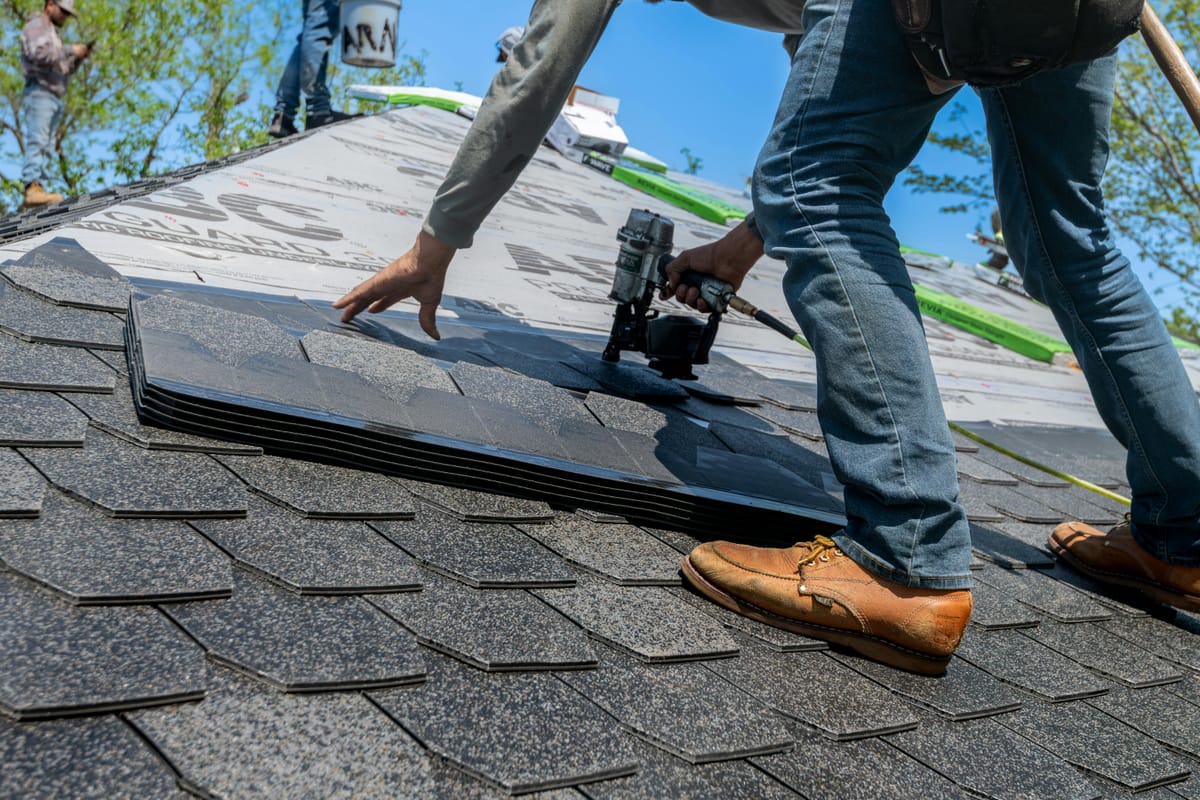
Roof problems rarely start with a dramatic hole. More often, you see a stain that grows slowly, a drip during wind-driven rain, or a musty attic smell after a storm. Many homeowners respond with a quick patch, then face the same leak in a new spot months later. The better approach is a structured roof evaluation that focuses on water pathways, flashing details, and the real condition of the roof system.
Roofing choices vary by region, yet the decision framework stays similar. You want to know what failed, why it failed, and whether a repair addresses the root cause. In humid coastal areas, moss and algae add maintenance challenges. In high-wind storm regions, fastening and edge details deserve extra attention.

What roofing work often includes
Roofing contractors handle more than shingle replacement. The scope often includes:
• Roof inspections and leak tracing
• Repair of damaged areas and flashing
• Replacement of worn roof coverings
• Roof coatings for some roof types
• Moss removal and surface cleaning where appropriate
• Installation of different roof materials, including metal and shake systems in some markets
When you compare providers, the Alonso Roofing report page works as a neutral reference list for common service items like roof inspection, roof leak repair, roof coatings, and roof replacement, which helps you keep proposals aligned.
Start with a leak investigation, not a guess
Leaks travel. Water enters at one point and shows up far away.
Leak tracing steps to request
• Inspection of flashing at chimneys, vents, skylights, and wall intersections
• Valley inspection, especially where debris collects
• Nail pop and fastener inspection
• Underlayment condition evaluation where visible
• Attic inspection for water trails, mold, and insulation saturation
Ask for photos. A photo record reduces confusion when repairs move forward.
Repair versus replacement, decide based on system condition
A repair makes sense when the roof still has healthy life across most areas. Replacement makes sense when the system is near the end of its service life or when failures are widespread.
Situations that often fit repair
• A limited damaged area after a branch impact
• Isolated flashing failures around one penetration
• A small valley issue with clear boundaries
• A single slipped tile or localized shingle blow-off
Situations that often fit replacement
• Widespread granule loss or brittle shingles
• Multiple leak points across different roof planes
• Repeated repairs in the same areas without lasting results
• Evidence of systemic underlayment failure
Ask the contractor to separate “active leaks” from “risk conditions.” That distinction helps you prioritize.
Flashing, the detail that decides leak risk
Most leaks involve flashing, not the field of shingles.
Flashing areas to focus on
• Pipe boots and vent flashings
• Chimney flashing and counterflashing
• Roof-to-wall intersections
• Skylight flashing kits and curb condition
• Valley metal or woven valley condition
Ask what material the contractor plans to use and how it will integrate with the roof covering. A durable roof relies on correct layering and sealing at transitions.
Roof coatings, when they fit and when they do not
Roof coatings work on certain roof types and conditions. They are not a universal fix.
Questions to ask
• Roof type compatibility with the coating system
• Surface prep steps, cleaning, drying, and repairs before coating
• Drainage condition, ponding water issues need resolution first
• Expected maintenance plan, inspections and touch-ups over time
A coating over active leaks without repair work is not a plan, it is a delay.
Material choices, match the roof to the structure and climate
Roofing materials vary widely, shingle, tile, metal, shake, and flat roof systems. Each comes with its own installation details and maintenance profile.
Considerations that shape the choice
• Roof slope and drainage capacity
• Weight and structural capacity of the home
• Fire exposure and local requirements
• Salt air exposure near coasts and corrosion risk
• Wind exposure on open lots or near the shore
If you are in South Florida regions such as Miami-Dade, Broward, or Palm Beach, wind-driven rain and storm events often influence fastening patterns and edge detailing. Ask how the plan addresses local exposure without relying on vague assurances.
Moss and debris, treat the cause, not only the symptom
Moss growth often reflects shade and moisture retention. Removing moss helps, yet prevention matters too.
Prevention steps to discuss
• Improving drainage in valleys and at gutters
• Trimming back overhanging branches
• Adjusting roof ventilation to reduce moisture buildup in the attic
• Selecting roofing surfaces that shed debris more effectively
Avoid aggressive cleaning methods that damage shingles or strip protective surfaces. Ask what cleaning approach will be used and why.
Ventilation and attic heat
A roof system includes the attic environment. Poor ventilation raises heat and moisture, which affects the roof deck and insulation performance.
Ventilation topics
• Intake vents and exhaust vents balance
• Bathroom fan vent routing, direct to exterior, not into the attic
• Signs of condensation on nails or roof decking
• Insulation baffles that keep airflow paths open
Ask for a simple description of how air moves through your attic and where blockages exist.
Permits and inspections
Many roof replacements require permits and inspections depending on local rules. A clear plan prevents schedule gaps.
Clarify
• Who pulls permits
• What inspection steps are required
• How sheathing replacement, if needed, will be documented
• How disposal and site protection will be handled
Site protection matters. Roofing work often involves falling debris and repeated ladder access.
How to compare roofing bids
A roofing bid should describe the system, not only the top layer.
Ask for these details
• Tear-off scope and disposal plan
• Underlayment type and placement plan
• Flashing replacement plan by location
• Ventilation adjustments included or excluded
• Drip edge and edge detail plan
• Warranty terms written clearly, excluding marketing language
If two bids differ sharply, look at underlayment, flashing scope, and ventilation. Those areas often explain the gap.
Final walkthrough checklist
Before you sign off:
• Confirm flashing looks clean and continuous at penetrations and walls
• Confirm valleys are clear and free of debris traps
• Confirm gutters and downspouts are reattached and draining correctly
• Look for exposed nails, loose shingles, or lifted edges
• Check attic after the next rain for new moisture trails
• Confirm cleanup, nails on the ground, landscaping protection, driveway sweep
Roofing work goes best when you treat it as a water management system with detailed transitions. Focus on leak tracing, flashing, ventilation, and a scope that lists each layer and each vulnerable area. That approach reduces repeat repairs and surprise leaks later.