Tree Pruning and Removal Plans for Bay Area Properties

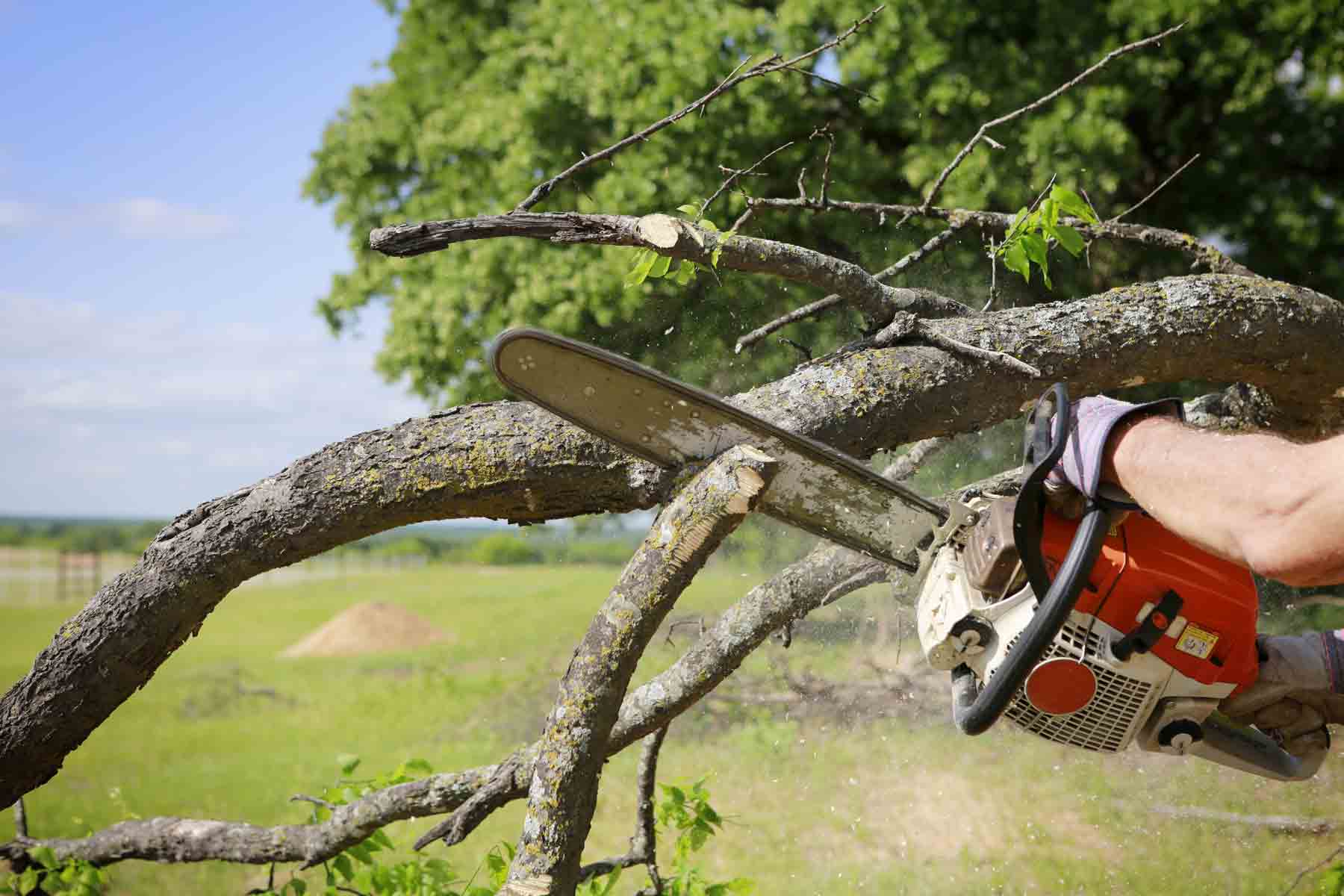
Trees add shade and curb appeal, yet they also create risk. A heavy limb hangs over a roof. Roots push up a walkway. A winter storm drops branches into power lines. Many homeowners wait until the problem feels urgent, then they scramble for bids without a clear scope. A simple planning process helps you protect your home and compare tree crews on the same terms.
Start with a tree inventory and hazard notes
Walk the property and list each tree that worries you.
Note the basics.
• Species if you know it, or a photo of leaves and bark
• Approximate height and trunk diameter
• Lean direction and any visible cracks
• Deadwood, sparse canopy, or unusual leaf drop
• Soil issues, such as erosion on a slope or pooling water near the trunk
• Targets under the canopy, such as roof edges, cars, fences, and play areas
In the Bay Area and the Santa Cruz Mountains, wind patterns shift block to block. A tree that looks fine in calm weather often moves hard in a gusty canyon. Note which trees sit on the windward side of the property.
Pruning goals, clarity matters more than terminology
Homeowners often say, “trim it back,” and crews interpret that in different ways. Set the goal first.
Common pruning goals include:
• Remove deadwood that drops in storms
• Raise the canopy over sidewalks and driveways through crown lifting
• Reduce end weight on long limbs that overhang roofs
• Improve clearance from structures and power lines
• Thin crowded interior growth to reduce sail effect in wind
Ask the arborist to point to each limb group and explain the cut locations. A clear plan avoids a tree that looks uneven or a canopy that loses too much leaf area.
Tree removal decisions, use evidence
Removal makes sense when a tree poses a structural risk, conflicts with construction, or has severe decline. Still, many trees look worse than they are after a dry season or pest pressure.
Ask for a risk explanation that ties to what you see.
• Large dead sections in the crown
• Splits in major unions
• Heaving soil at the root plate after wind
• Significant trunk cavities
• Prior topping that led to weak regrowth
• Lean that increased over time
If the tree sits near a neighbor fence line, document the existing condition with photos. This step reduces disputes about damage from work activity.
Stump grinding and root management
After removal, stumps and surface roots create trip hazards and limit replanting. Decide what you want next.
• Stump grinding for a clean surface that supports grass or mulch
• Stump removal when you plan hardscape or deep planting
• Root removal when surface roots keep lifting walkways or edging
Ask how far below grade the grind will go and what happens to the grindings. Some homeowners want the grindings hauled, others want them spread as mulch. Make that choice early.
Land clearing and brush control
Some properties need more than a single tree job. Sloped lots, fence-line overgrowth, and fire season concerns often drive a broader scope.
Define the clearing zone with markers.
• Start and end points along fences
• Areas near sheds and decks
• Access paths for equipment
• Pile locations for debris
Ask whether the crew plans chipping on site, hauling, or both. Also ask about soil disturbance on hillsides. In parts of the Bay Area, steep lots erode fast after ground cover removal.
Access and equipment planning
Tree work success depends on access.
Before you accept a bid, walk through access constraints.
• Gate width and overhead clearance
• Driveway slope and pavement condition
• Locations of septic lids, irrigation lines, and shallow utilities
• Parking needs for chip trucks and equipment
If your street has tight parking, note it during the walk. If your yard has soft soil from irrigation, mention it. Equipment movement affects lawns and hardscape edges.
Power lines and coordination
Trees near overhead lines need extra planning. Homeowners should not guess at clearance rules.
Ask the tree company how it handles:
• Work near service drops from pole to home
• Work near larger distribution lines
• Coordination with the utility when needed
• Work sequencing to avoid pulling limbs into lines
In older Bay Area neighborhoods, service drops often cross backyards at odd angles. A crew should spot those hazards early.
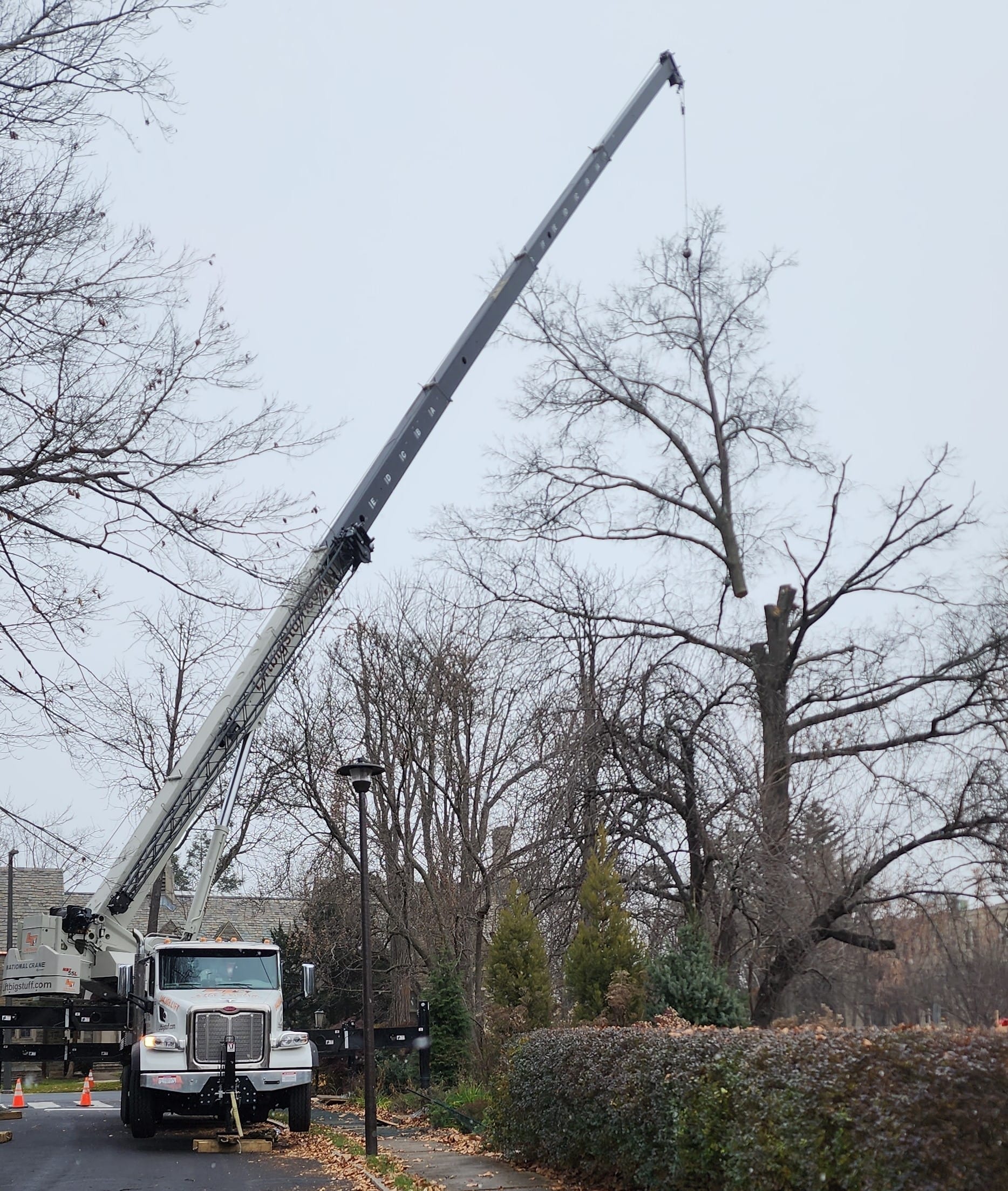
Permits and local tree rules
Some cities and counties have tree protection rules, especially for heritage trees and certain species. Permits also show up for street trees.
Ask these questions during the bid phase.
• Does this tree fall under local permit rules
• Who handles permit paperwork and site meetings
• What timing does approval require
Do not assume that a permit is optional. A permit issue will stop work midstream and delay cleanup.
Scope language that prevents misunderstandings
Ask for a written scope that lists each tree and each task.
A good scope includes:
• Tree count and approximate size range
• Pruning type per tree, such as crown lifting or deadwood removal
• Removal method, such as sectional removal near structures
• Stump grinding depth and cleanup method
• Debris handling, chips, logs, haul-away, or leave-on-site
• Protection steps for fences, roofs, and landscaping
• Work hours and noise expectations
This level of detail helps you compare apples to apples.
What review themes often point to in tree work
Homeowners tend to value clear communication and on-site planning. They also watch cleanup closely.
Use those priorities in your comparison.
• Ask for a walkthrough before cutting starts
• Ask where chips and logs will go
• Ask how the crew protects plants you want to keep
• Ask who leads the crew and who answers questions on site
For a neutral list of common tree service tasks to use in your comparison, reference the Koala Tree Care report page, which lists items such as tree pruning, tree removal, stump grinding, shrub trimming, land clearing, and crown lifting.
Homeowner checks on the day of service
You do not need to direct the cuts, yet you should confirm a few basics before work starts.
• Mark sprinkler heads and shallow lines
• Move vehicles away from drop zones
• Close windows near the work zone to reduce dust entry
• Confirm the chipper points away from fragile plantings
• Confirm the crew has a clear plan for limb lowering near roofs
During work, keep children and pets inside. Tree work involves moving debris and loud equipment.
After-work inspection
Walk the site while the crew is still present.
• Look for hanging stubs, torn bark, or uncut deadwood you expected removed
• Confirm the canopy looks balanced from the street
• Check fences and gutters for new damage
• Check that sawdust and chips are not clogging drains
• Confirm stump areas sit below grade if you plan sod or pavers
Ask for care notes if pruning removed significant canopy weight. Some trees respond with new growth that needs follow-up shaping.
Maintenance planning in Bay Area microclimates
Trees respond to local conditions.
Coastal fog zones keep soil damp longer.
Inland heat zones stress trees during dry stretches.
Hillside wind exposure increases limb fatigue.
A simple maintenance rhythm helps.
• Annual or biennial inspections for large trees near structures
• Quick removal of deadwood before winter storms
• Mulch rings to protect roots from mower damage
• Irrigation adjustments during extended heat, especially for newer plantings
Tree decisions feel simpler when you treat the job as a written scope. Inventory your trees, define pruning goals, plan access, and confirm cleanup steps. Those actions lead to safer work and fewer surprises.