What Families Often Overlook After a Fatal Accident in a Rural Area

A compassionate guide to the practical details that can matter after a sudden loss in Michigan’s Upper Peninsula or Wisconsin.
After a sudden death, most families are not thinking about paperwork, reports, insurance questions, or evidence. They are thinking about the person they lost. They may be calling relatives, making funeral arrangements, caring for children or elderly parents, contacting an employer, or simply trying to get through the next few hours.
That is especially true when the death happens unexpectedly after a crash, workplace accident, fall, recreational accident, or another preventable tragedy. Grief can make even simple tasks feel heavy. Practical decisions may arrive before anyone feels ready to make them.
In rural parts of Michigan’s Upper Peninsula and Wisconsin, families can face additional challenges that are easy to miss at first. Distance, weather, road conditions, limited witnesses, and cross-border questions can all affect what happens after a fatal accident. None of this makes the loss less personal. It simply means that, while families are grieving, important details may be changing or disappearing in the background.
This article is meant to help families understand those practical issues in a calm, general way. It is not a checklist anyone has to complete perfectly. When someone has died, there is no perfect way to respond. But knowing what can matter may help families move carefully, ask informed questions, and avoid feeling lost in a process they never expected to face.
Rural Accidents Can Take Longer to Investigate
In less populated areas, emergency responders and investigators may cover large territories. A fatal crash on a rural highway, an accident at a remote job site, a fall at a seasonal property, or an ATV or snowmobile incident on a trail may happen far from the nearest police department, hospital, fire station, or medical examiner’s office.
That distance can affect timing. Emergency response may take longer because of geography, road conditions, weather, or limited staffing. Investigations may also take time, especially if specialized personnel need to travel to the scene or if the accident involves more than one agency.
For families, delays can feel confusing or frustrating. They may not know who is in charge, when a report will be available, or why certain information cannot be shared immediately. In some situations, several offices or agencies may have some role in the response, such as local law enforcement, county officials, state police, workplace safety authorities, fire departments, or conservation officers.
It can help to write down the names of agencies involved, report numbers if provided, and the contact information for anyone who explains the process. Families do not need to understand everything right away. Keeping a simple record can make follow-up easier later.
Weather, Distance, and Road Conditions Can Affect Evidence
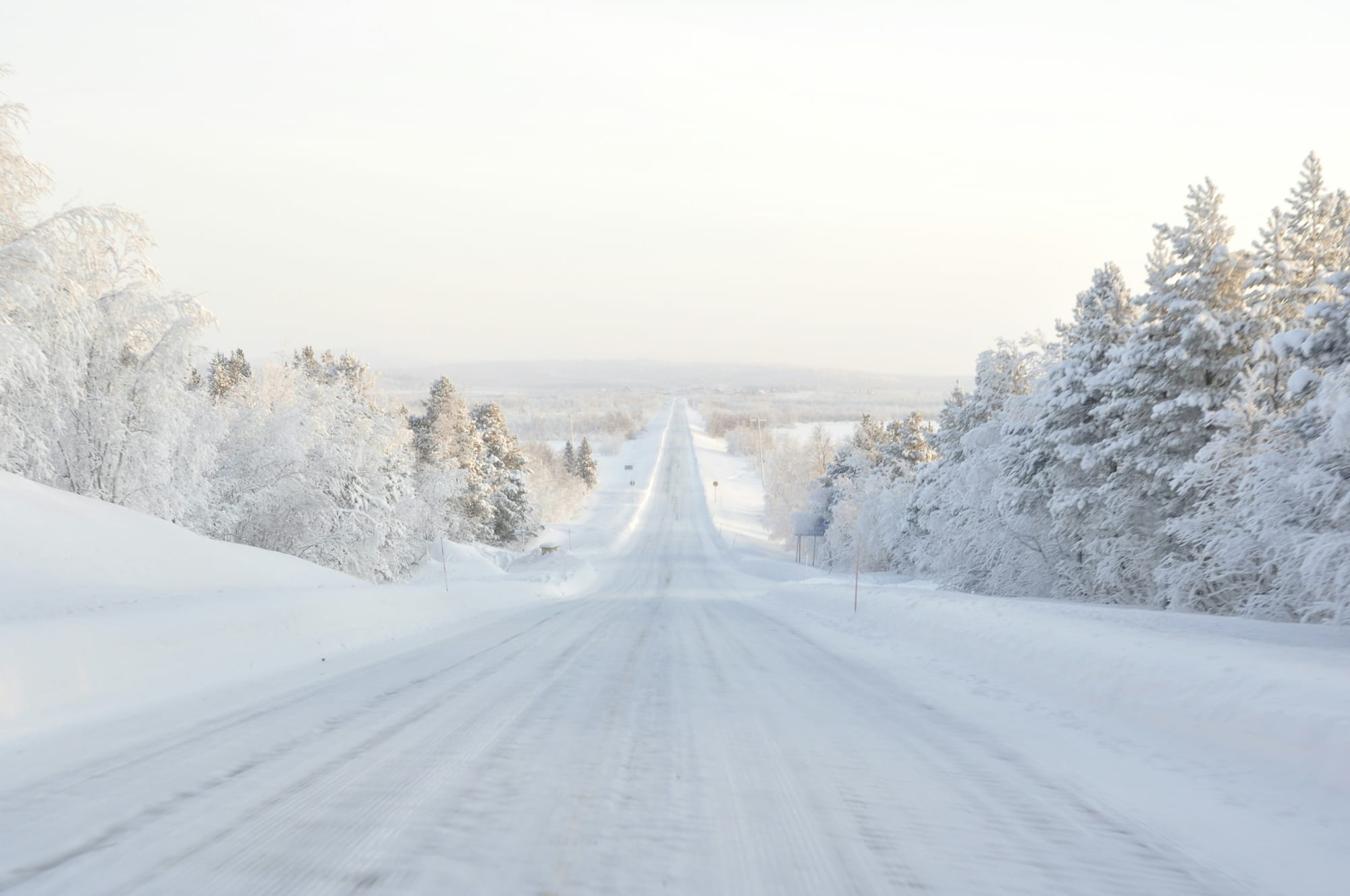
Rural accidents often happen in places where conditions change quickly. Snow can cover tire marks. Ice can melt or be salted. Gravel roads can be graded. Mud can dry. Damaged signs, guardrails, stairs, or equipment may be repaired. A vehicle may be towed to a lot many miles away. A trail may be reopened. A worksite may resume operations.
This is not always suspicious. Roads need to be cleared. Businesses and job sites may need to continue operating. Property owners may fix hazards to prevent someone else from being hurt. But these normal changes can make it harder to understand what the scene looked like when the accident happened.
Weather can also become part of the larger picture. In the Upper Peninsula and Wisconsin, snow squalls, freezing rain, fog, high winds, dark rural roads, deer crossings, and narrow shoulders are familiar realities. Sometimes weather is the main factor. Other times, weather combines with other issues, such as speed, visibility, driver fatigue, vehicle maintenance, lighting, signage, road maintenance, or workplace procedures.
Families may not be in a position to collect evidence themselves, and they should not put themselves at risk trying to do so. But if photos, videos, messages, dashcam footage, doorbell camera footage, trail maps, work records, or repair documents already exist, preserving them can be helpful. Even ordinary details may matter later.
Witnesses May Be Limited or Hard to Find
In a city, there may be nearby drivers, pedestrians, employees, neighbors, or cameras. In a rural area, there may be very few people around. A fatal crash may happen on a road with little traffic. A fall may happen outside a small business during a quiet hour. A recreational accident may happen on a trail, lake, hunting property, or campsite where the nearest witness was only passing through.
When witnesses do exist, they may be difficult to locate after the fact. A tourist may return home. A truck driver may continue on a route. A seasonal worker may leave the area. A person who stopped to help may not realize their observations could later be important.
Families are often not focused on witness information in the early days after a death, which is understandable. If relatives or friends do learn that someone saw the accident, it may help to save that person’s name, phone number, email address, or even a short written note about what they said. Memories can fade, and small details may become less clear over time.
Rural Accidents May Involve Specialized Vehicles or Settings
Fatal accidents in rural areas can involve many different settings. Some happen on highways or county roads. Others involve logging trucks, farm equipment, utility vehicles, snowplows, delivery trucks, boats, snowmobiles, ATVs, heavy machinery, job sites, remote properties, lodges, campsites, or seasonal rentals.
Each setting can raise different practical questions. A commercial vehicle collision may involve driver schedules, vehicle maintenance, loading practices, road conditions, or company procedures. A farm or logging accident may involve equipment, worksite safety practices, contractors, or land access. A boating, ATV, or snowmobile accident may involve rental agreements, trail conditions, signage, visibility, speed, or unfamiliar terrain. A fall at a business or rental property may involve lighting, ice, snow removal, stairs, railings, or prior notice of a hazard.
Families do not have to know which details matter immediately. But it is worth understanding that rural accidents are not always simple just because they happen in quiet places. Sometimes there are several people, businesses, insurers, or property owners connected to the events leading up to the death.
Cross-Border Questions Can Add Another Layer
Many people in Michigan’s Upper Peninsula and Wisconsin regularly cross the state line for work, shopping, recreation, medical care, school, and family visits. A person may live in one state, work in another, and be injured while traveling through a third community. Visitors may come from other parts of the Midwest for hunting, fishing, skiing, snowmobiling, boating, camping, or cabin stays.
After a fatal accident, this can create practical questions. The accident may have happened in Michigan while the family lives in Wisconsin, or the reverse may be true. Insurance policies may have been issued in another state. Medical care may have been provided across the border. A vehicle, employer, property owner, or commercial operator may be based somewhere else.
For families who want to better understand how these issues may be approached locally, legal resources for wrongful death claims in Michigan’s Upper Peninsula and Wisconsin can provide helpful context.
The main takeaway is that location can matter. Families should be cautious about assuming that every rule or process is the same on both sides of the border.
Records Families May Want to Preserve
In the days and weeks after a fatal accident, paperwork can arrive from many directions. Some documents may feel routine. Others may be confusing or painful to read. It can help to place everything in one folder, box, binder, or digital file so that nothing gets lost.
Important records may include police reports, crash reports, incident reports, medical examiner or coroner information, hospital records, ambulance records, funeral home invoices, burial or cremation expenses, towing bills, repair estimates, insurance letters, employment records, benefit information, photographs, videos, text messages, emails, and names of people who may have information.
Families may also want to keep track of expenses connected to the death, including funeral costs, travel expenses for immediate family needs, time missed from work, and other related bills. Keeping records does not mean a family is preparing for a dispute. It simply helps create order during a time when details can otherwise scatter.
Be Careful With Rushed Insurance Decisions
Insurance companies may contact families soon after a fatal accident. Some communications may be necessary and appropriate. Families may need to report the death, identify policies, arrange vehicle handling, or provide basic information.
At the same time, it is reasonable to move carefully. A grieving person may not be ready to give a recorded statement, answer detailed questions, sign releases, or accept a settlement-related document. Families may not yet know the full facts, the available insurance coverage, the long-term financial impact, or whether other parties were involved.
Before signing documents, it can be wise to ask what the document does, whether it releases any claims, whether it affects other family members, and whether there is a deadline. If the answer is unclear, families can pause and seek appropriate guidance. Taking time to understand a document is not being difficult. It is a reasonable step after a serious loss.
Legal deadlines may also apply. The timing can depend on where the accident happened, who was involved, whether a government entity is connected, and the type of claim or benefit at issue. Because deadlines can vary, families should avoid relying on guesses or informal advice when the situation is specific.
Support Matters Too
The practical side of a fatal accident can become overwhelming, but the emotional side deserves just as much care. Grief is not paperwork. It does not follow a neat schedule. It can affect sleep, memory, concentration, appetite, patience, and decision-making.
Support may come from different places. Some families lean on relatives and close friends. Others find help through counselors, faith communities, grief-support groups, employee assistance programs, school counselors, or community organizations. There is no single right source of support.
Practical help matters as well. A trusted person may be able to organize documents, drive someone to appointments, make phone calls, help with meals, watch children, coordinate visitors, or keep track of messages. Small acts of support can reduce the burden on grieving family members who are being asked to make decisions before they feel ready.
It can also help for families to choose one person to keep a simple timeline of events and communications. This does not need to be formal. A notebook with dates, names, phone numbers, and short notes can prevent confusion when several people are calling, emailing, or asking for information.
Moving Carefully After an Unthinkable Loss
After a fatal accident, families are often expected to handle grief and logistics at the same time. In rural areas of Michigan’s Upper Peninsula and Wisconsin, the practical challenges can be even more complicated because of distance, weather, limited witnesses, specialized vehicles, remote properties, job sites, recreational settings, and cross-border issues.
No family should feel that they must understand everything immediately. The first priority is caring for one another and addressing immediate needs. When possible, preserving records, asking for official reports, saving photos and messages, keeping expense information, and slowing down before signing insurance documents can help protect a family from unnecessary confusion later.
A sudden death changes life in ways no article can fully address. But families can give themselves permission to move carefully, ask questions, accept support, and seek professional guidance when the situation calls for it.
This article is for general informational purposes only and is not legal advice. Anyone with questions about a specific situation should speak with a qualified attorney in their jurisdiction.