Window Tint Care: Keep It Clear Through Ohio Seasons

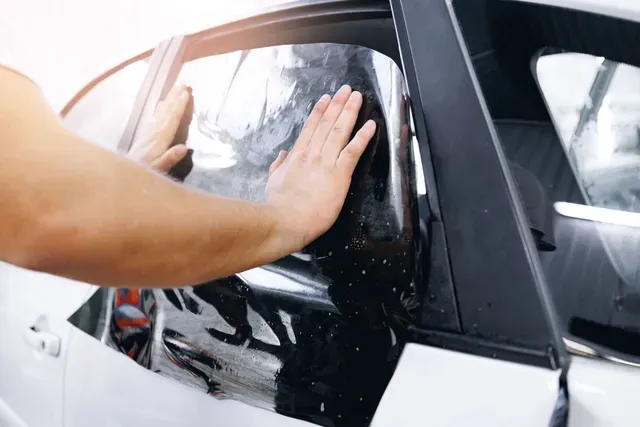
Tint looks its best when the glass stays clean and the edges stay intact. Many problems start after the install, not during it. A few habits protect your tint through Columbus heat, rain, and winter grime.
This guide covers tint care, cleaning products, winter issues, and the warning signs that deserve a follow up.
What happens during cure time
Film uses adhesive and moisture during installation. That moisture needs time to dry out.
During cure time you might see:
• Light haze
• Small water pockets
• Slight edge softness
Most of that fades with time. The shop should give you a cure window and rules for window use.
Your first rule, keep windows up
Rolling windows down too soon risks edge lift. It also drags grit across the film.
Follow these habits right away:
• Keep windows up for the time the shop advises
• Avoid window switches out of habit
• Tell passengers and kids not to touch switches
• Use the sunroof only if the shop approves it
A simple sticky note on the switch area helps during the first days.
Cleaning rules that prevent scratches
Tint scratches more easily than glass. Your cleaning method matters more than the product label.
Safe cleaning habits:
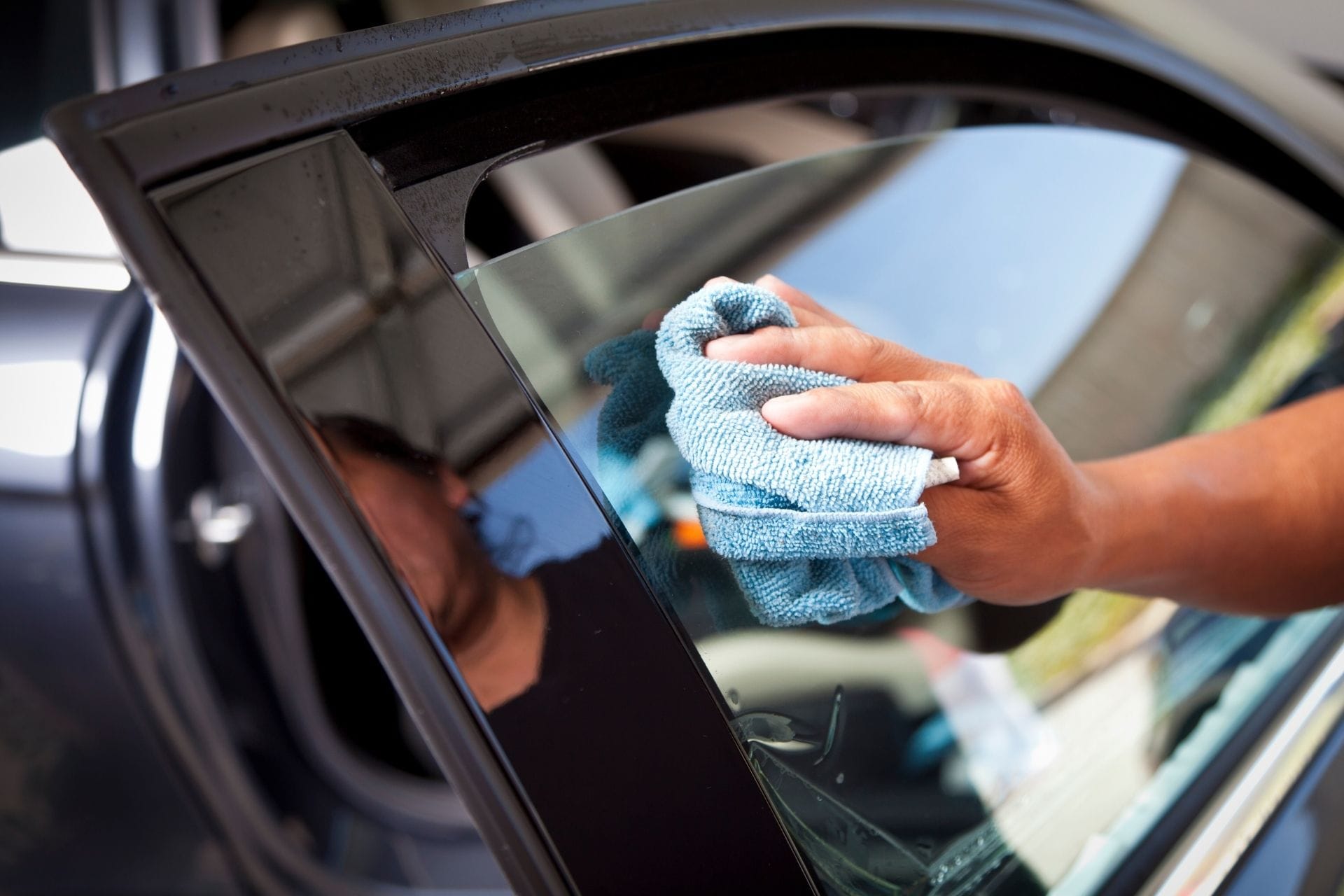
• Use a clean microfiber cloth
• Use light pressure
• Wipe in straight lines, not circles
• Use a second cloth to dry
• Keep cloths free of grit
If you drop a cloth on the floor, do not use it on the film. Floor grit creates fine scratches.
Avoid ammonia cleaners
Many glass cleaners contain ammonia. Ammonia harms many films over time. It also dries some adhesives.
Pick a tint safe cleaner. If you do not know, use mild soap and water on a damp microfiber cloth, then dry with a clean cloth.
Door seals, the hidden scratch source
Seals collect sand, salt, and pollen. That grit drags across the film when you roll windows down.
Monthly habits:
• Wipe the top edge of the door seal with a damp cloth
• Rinse seals during car washes
• Vacuum door pockets and trim edges where grit collects
This step protects film edges and keeps window movement smoother.
Winter rules in Columbus
Winter adds two problems, ice and salt.
Ice
Never scrape the inside of tinted glass. If you see frost inside, run the defroster and let it clear.
Salt and grime
Salt residue settles on seals and lower glass. Rinse it off. Wipe seals before you clean the glass.
If you park outdoors, use a sunshade and keep a microfiber cloth in the car. It helps with sudden fog and film safe wiping.
Defrosters and rear window care
Rear defroster lines sit under the film. Avoid sharp tools near them.
Rear window habits:
• Avoid sticking suction items on the rear film
• Avoid scraping the inside
• Use the defroster to clear fog, not a towel
• Clean with a soft cloth and light pressure
If you have a hatchback and cargo rubs the rear glass, keep items off the glass. Repeated rub marks show fast.
Stickers, permits, and suction mounts
Many Columbus drivers use parking stickers, toll transponders, and phone mounts.
Safer steps:
• Put stickers on untinted glass areas when possible
• Avoid suction cups on film surfaces
• Use mounts that attach to the dash or vents
• If you must place a sticker on a tinted area, ask the installer for guidance first
Peeling a sticker often pulls film or scratches it.
What bubble types mean
Not all bubbles mean trouble.
Small water pockets early
These often shrink during cure.
Large bubbles that stay
These often point to contamination or adhesion issues.
Edge bubbles
These often point to early window use or seal grit issues.
If you see bubbles after the cure window, take photos and ask for a follow up. Keep the photos in shade and in sun.
Edge lift, the early warning sign
Edge lift starts small. It grows with window use.
Edge lift causes include:
• Early window operation
• Grit in seals
• Moisture trapped at the edge
• Film trimmed too close to the seal
If you see a lifted edge, stop rolling that window down. Document the area. Ask for guidance.
Haze and distortion, what to watch
Light haze early often fades. Distortion that remains deserves attention.
Distortion often comes from:
• Install tension on curved glass
• Glass shape and factory distortion
If you notice distortion at night near streetlights, note the window and angle. Bring that note to the shop.
Interior fogging, reduce it without harsh wiping
Columbus humidity swings cause fog. If you wipe fog daily with rough cloths, you scratch film.
Safer fog steps:
• Use the defroster
• Aim vents at the glass
• Keep a clean microfiber in the car
• Wipe lightly, then dry lightly
If fog persists, check cabin air filter condition. A clogged filter worsens fog.
Kids, pets, and tint protection
Kids press hands on glass. Pets scratch with nails. Those habits mark tint.
Protection habits:
• Keep pet nails trimmed
• Use seat covers that reduce paw contact near doors
• Clean handprints with a soft cloth only
• Avoid stickers on film surfaces
Small steps keep the film looking clean.
When you need tint removal
Old tint fails. It turns purple, bubbles, or peels. Removal matters because adhesive residue ruins a new install.
If you need removal, ask about:
• Adhesive removal methods
• Rear defroster line protection
• Time estimate
• How they avoid damaging trim panels
Removal work separates detail focused shops from rushed ones.
Questions to ask during a follow up visit
If an issue appears, keep questions short.
• What caused this issue
• What fix do you propose
• What steps prevent it from returning
• What care steps should I change
Ask for the fix plan in writing if the issue involves multiple windows.
Use the report page as a neutral comparison reference
A provider page often lists film options and general tint categories. That helps you compare what a shop offers and what they say they install.
Some drivers review Car Window Tinting Columbus as a research reference while comparing stated film categories, care guidance, and service steps, then they match those points to their own experience after install.
Seasonal inspection checklist
Once each season, do a quick check.
• Look at edges for lift
• Look for new bubbles
• Check rear visibility at night
• Check window movement, smooth up and down
• Check rear defroster function
• Check for scratches near seals
If you spot issues early, you protect the finish and avoid bigger repairs
Cleaning schedule, keep it simple
A routine prevents the big scrub session that scratches film.
Weekly:
• Light interior wipe with a clean microfiber
• Quick seal wipe on front doors
Monthly:
• Seal rinse during a wash
• Rear window gentle wipe, especially after heavy defroster use
Seasonal:
• Full interior glass clean with tint safe cleaner
• Full seal wipe for grit removal
Cleaning kit you keep in the car
Keep it simple.
• Two clean microfibers in a bag
• A tint safe cleaner or mild soap solution in a small bottle
• A small bag for dirty cloths
This kit prevents the “grab a paper towel” mistake at the gas station.
A final habit that keeps tint looking even
Clean the inside glass gently and regularly. Grit builds. Heavy scrubbing later causes scratches.
If you want a steady reference while comparing shops, keep a checklist and refer back to a Columbus window tinting service overview during your research so you stay focused on film type, prep steps, and aftercare rules.
Tint care is simple. Consistency wins.What to avoid when you feel rushed
Many tint scratches start from rushed cleaning during a busy day.
Avoid:
• Paper towels on tinted glass
• Dirty shop rags from the trunk
• Alcohol wipes meant for phones
• Scrubbing a dried handprint with heavy pressure
If you need a quick clean, use a clean microfiber with a light mist of tint safe cleaner, then dry with a second clean cloth.
Scratch marks, what to do next
Film scratches do not polish out like some paint marks. A scratch often stays visible in certain light.
A practical approach:
• Clean the area gently and confirm it is not residue
• Check the angle of the scratch in sunlight and in shade
• If the scratch bothers you, ask about replacing that piece of film
• Avoid home fixes that involve abrasives
Replacement work costs time. Clear documentation helps the shop see the issue quickly.
A second report page reference point for scope language
If you want a consistent list of tint categories and service steps, some drivers use a Columbus car window tinting service page summary as a reference while they write their own care rules and compare what each installer recommends.Interior detailing and tint, keep the order right
Detail shops sometimes use strong chemicals. Some also wipe glass fast with rough towels.
If you detail the interior after tinting:
• Tell the detailer you have tinted glass
• Ask them to avoid ammonia cleaners
• Ask them to use clean microfibers only
• Ask them to avoid soaking edges with cleaner
If you plan a full interior detail, schedule it after the initial cure window. That timing reduces edge stress.
Seasonal reminder for spring pollen and summer dust
Columbus spring pollen sticks to seals. Summer dust sticks to glass.
A simple routine helps:
• Wipe seals after heavy pollen days
• Keep a microfiber in the door pocket for quick seal wipes
• Clean glass with light pressure, more often, instead of one heavy scrub