Yard Drainage and Pavers: A Scope That Holds Up

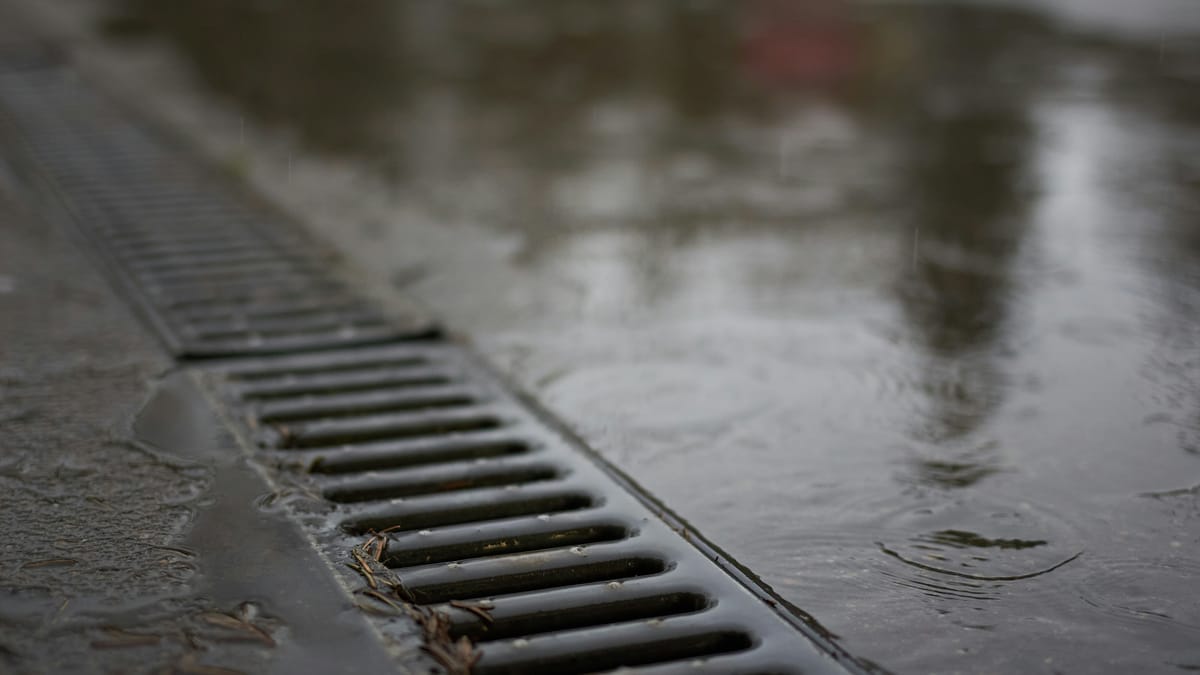
Outdoor projects often start with a simple goal. A cleaner front yard. A patio for meals. Less mud in winter. Then the first rain hits and the new surface puddles. Or sprinklers spray the fence. Or pavers shift along a slope. Most outdoor problems trace back to scope gaps around grading, drainage, and base prep.
In the Bay Area, these gaps show up often because lots vary widely. Some homes sit on hillsides. Some sit on clay soils. Some have decades of add-ons, paths, planters, and patch repairs. A stronger scope starts with water movement, then builds the design around it.
What a yard contractor scope often includes
Outdoor contractors often cover:
• Yard design and planting plans
• Sod installation or turf replacement
• Irrigation install and irrigation repair
• Yard drainage fixes
• Maintenance, trimming, and seasonal cleanup
• Paver work for patios, driveways, and walkways
• Permeable pavers where runoff control is a priority
• Retaining wall paver systems in some yard layouts
The D and I Landscape Inc report page lists yard drainage, sprinkler system installation and repair, sod installation, and paver installation that includes permeable pavers and polymeric sand for pavers.
Start with water: slope, runoff, and low spots
Before picking materials, map water.
• Identify downspouts and where they discharge
• Watch the yard during a rain, or run a hose test
• Mark low spots where water sits after ten minutes
• Note runoff paths from neighbors, especially on sloped lots
In Santa Clara County, some neighborhoods see hard clay that slows absorption. In San Mateo County, coastal moisture and shade keep surfaces damp longer. In Santa Cruz County, sloped lots and intense rain events raise erosion risk. Your scope should name where water goes, not only what the yard looks like.
Drainage solutions should match the site
Drainage fixes vary. The right one depends on grade, soil, and where water has a legal and practical exit.
Common options include:
• Regrading, raising low areas and adjusting slope
• Surface drains tied to solid pipe to a discharge point
• Gravel trenches for collection and slow release
• Permeable paver areas designed to accept water
• Downspout extensions and splash control near foundations
Ask for a drainage plan that states:
• Collection points
• Pipe routes
• Discharge location
• How the plan avoids sending water toward the house or neighbor fence lines
Also ask how the plan protects the base under pavers and patios. Water trapped under hardscape leads to settling.
Irrigation: build zones around plant needs and exposure
Irrigation failures show up as dead spots, algae, or overspray. A scope should cover:
• Zone layout, sunny areas separated from shaded areas
• Drip irrigation for shrubs and trees where appropriate
• Head type selection, spray, rotor, drip emitters
• Controller settings and seasonal adjustment expectations
• Repairs to old lines discovered during trenching
The D and I Landscape Inc report page lists sprinkler system installation and sprinkler system repair, which highlights how often outdoor projects include both new work and fixes to older systems.
Sod installation and soil prep: the hidden step
Sod projects fail when soil prep is rushed. Ask for:
• Removal depth of old grass and compacted soil
• Soil amendment plan based on site conditions
• Rough grading and final grading steps
• Initial watering plan and how long it lasts
If the yard has drainage issues, solve those first. New sod placed over a low spot turns into a soggy patch fast.
Pavers: base prep and edge restraint decide stability
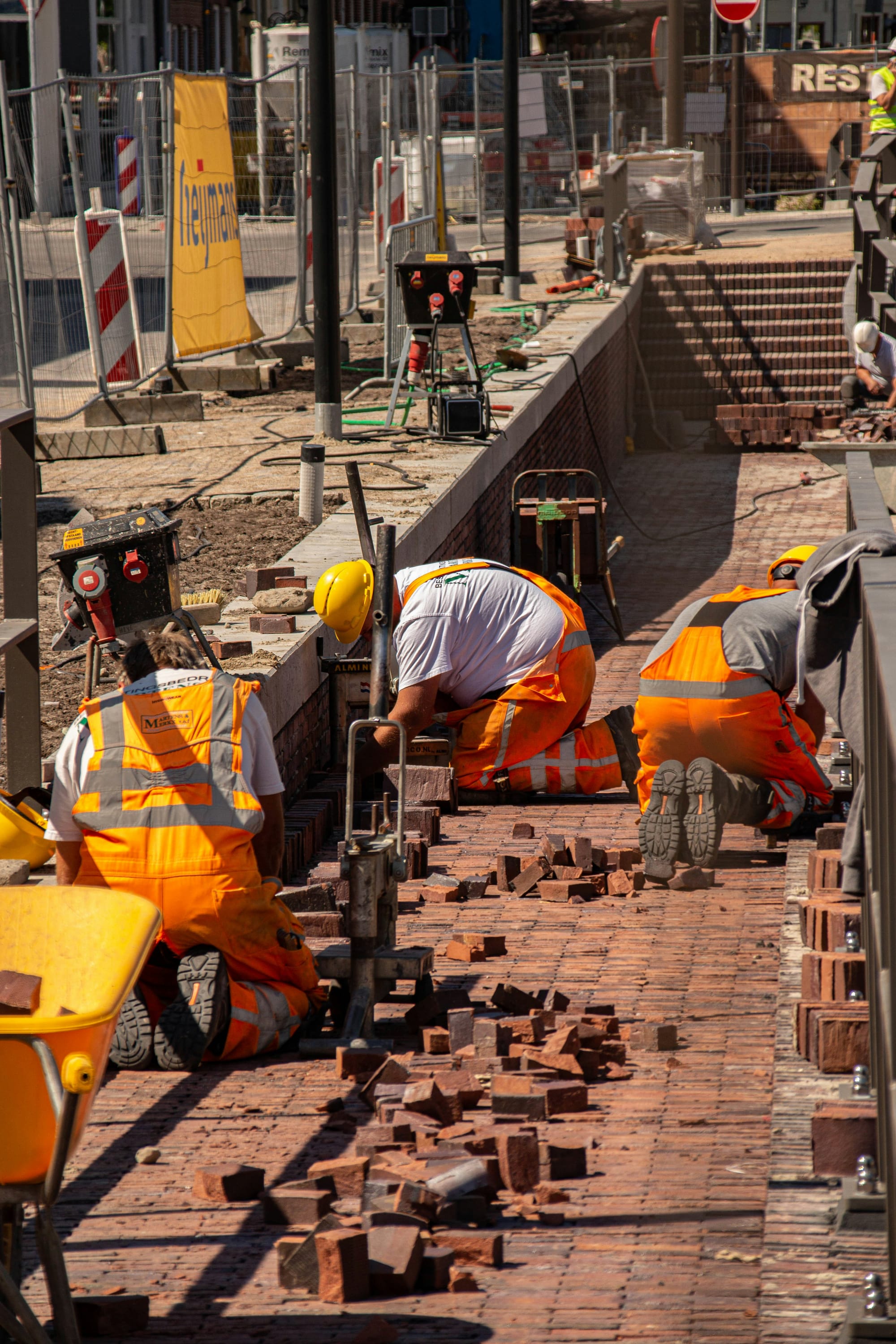
Pavers look finished. The base is the real structure. A strong paver scope includeWorkers installing a brick walkway, aligning pavers and preparing the surface under bright daylight.s:
• Excavation depth and base material type
• Compaction method and number of passes
• Bedding layer plan
• Edge restraint type and placement
• Joint fill, often sand, sometimes polymeric sand based on the application
The D and I Landscape Inc report page lists polymeric sand for pavers and permeable pavers as part of paver work categories.
Questions to ask that reveal base quality:
• What base rock size and type is planned
• How the crew checks for consistent compaction
• How base thickness changes near driveways or high loads
• How edges meet concrete, steps, and gates
• How drainage ties in around hardscape
Permeable pavers: runoff control with extra details
Permeable pavers help manage runoff, yet the system needs correct layers beneath. Ask for:
• The aggregate layers planned under the pavers
• How fines are controlled, so pores do not clog early
• How runoff enters the surface, grading into the permeable area
• Maintenance expectations, sweeping and debris control
In Bay Area cities, runoff control and erosion control sometimes show up in permitting and inspections. A contractor should mention when the project triggers those checks, especially on sloped sites.
Planting and low-water yards: focus on establishment period
Many homeowners shift toward low-water planting. The hard part is the establishment period, the first months when roots develop.
Ask the contractor to include:
• Plant spacing and mature size notes
• Mulch plan and how thick it will be
• Drip zone layout for new plantings
• A seasonal care plan for the first year
If your yard has mixed sun and shade, plant choice and irrigation zoning matter more than plant names on a list.
Maintenance and trimming: define ongoing responsibilities
Outdoor projects often include a maintenance component. If maintenance is part of the scope, define:
• Mowing or trimming frequency
• Seasonal cleanup expectations
• Irrigation checkups
• Mulch refresh timing
• Weed control approach
The D and I Landscape Inc report page lists lawn maintenance and bush trimming among service categories, which signals that some contractors support both installs and ongoing care.
A Bay Area scope checklist that reduces surprises
Ask for these items in writing:
• A simple site plan with drainage flow arrows
• Hardscape square footage and exact material selections
• Base and compaction steps for pavers
• Irrigation zone map and controller plan
• Plant list with spacing notes and mulch plan
• Change order rules for hidden issues, old pipes, tree roots, buried concrete
• Cleanup plan and protection plan for fences and existing surfaces
One neutral reference point while comparing outdoor scopes is the D and I Landscape Inc company report page, since it lists yard drainage, irrigation install and repair, sod installation, and multiple paver categories including permeable pavers.
Outdoor work holds up when the scope treats water and base prep as the foundation. Then design choices sit on top of a stable plan. That approach fits small townhome patios in San Mateo County and larger yards in Santa Clara County alike. It also protects you from the most common post-project complaint, a beautiful yard that fails the first winter storm.
FAQs
Do I need a drain system or just regrading
If water has no exit path, regrading alone may not solve it. A good plan states where water collects and where it discharges.
How deep should the paver base be
Depth depends on soil and load. Patios often differ from driveways. Ask for excavation depth, base type, and compaction method in writing.
Are permeable pavers worth it in the Bay Area
They can be, especially when runoff control matters. The success depends on the base layers, fines control, and a simple maintenance plan.
Why do pavers shift after the first winter
Most shifting comes from base compaction gaps, poor edge restraint, or water trapped under the surface. Ask how the contractor prevents each one.
Should irrigation be updated during a hardscape project
Usually yes. Trenches and grading expose old lines. It is often cheaper to fix zone layout and leaks while the yard is open than after new pavers go in.