A Homeowner’s Guide to Comparing Builders Before a Major Project


Hiring a builder is one of the most important decisions a homeowner can make before beginning a major construction or remodeling project. Whether the goal is to expand living space, modernize an older property, improve functionality, or complete a larger renovation, the company chosen for the work will influence much more than the finished appearance. It can affect the schedule, budget, communication experience, and daily life inside the home while work is underway.
Many homeowners begin by collecting ideas and inspiration. They save photos of kitchens, bathrooms, additions, flooring, finishes, and layouts. That early planning is useful, but the practical side of the project deserves just as much attention. A beautiful design can become frustrating if the process is poorly managed or if expectations are not clearly defined from the start.
Researching builders before hiring helps homeowners move from guesswork to informed decision-making. Online reviews can offer helpful clues, but they rarely tell the full story. A few comments may describe a single experience, while a construction project often depends on many details: permitting, scheduling, crew coordination, material choices, change orders, site protection, and follow-up communication. Looking at multiple sources gives a fuller picture.
A good first step is to define the scope of the project. Are you planning a room addition, a kitchen remodel, a bathroom update, structural work, or a broader renovation? The answer matters because not every builder is equally suited to every type of project. Asking about similar completed work can help you understand whether a company has experience with the scale and complexity you need.
Homeowners should also review credentials and documentation. Depending on the project and location, this may include licensing, insurance, permits, inspections, and written agreements. These details may not be as enjoyable as choosing tile or cabinetry, but they are essential. A professional builder should be able to explain what is required and how those responsibilities will be handled.
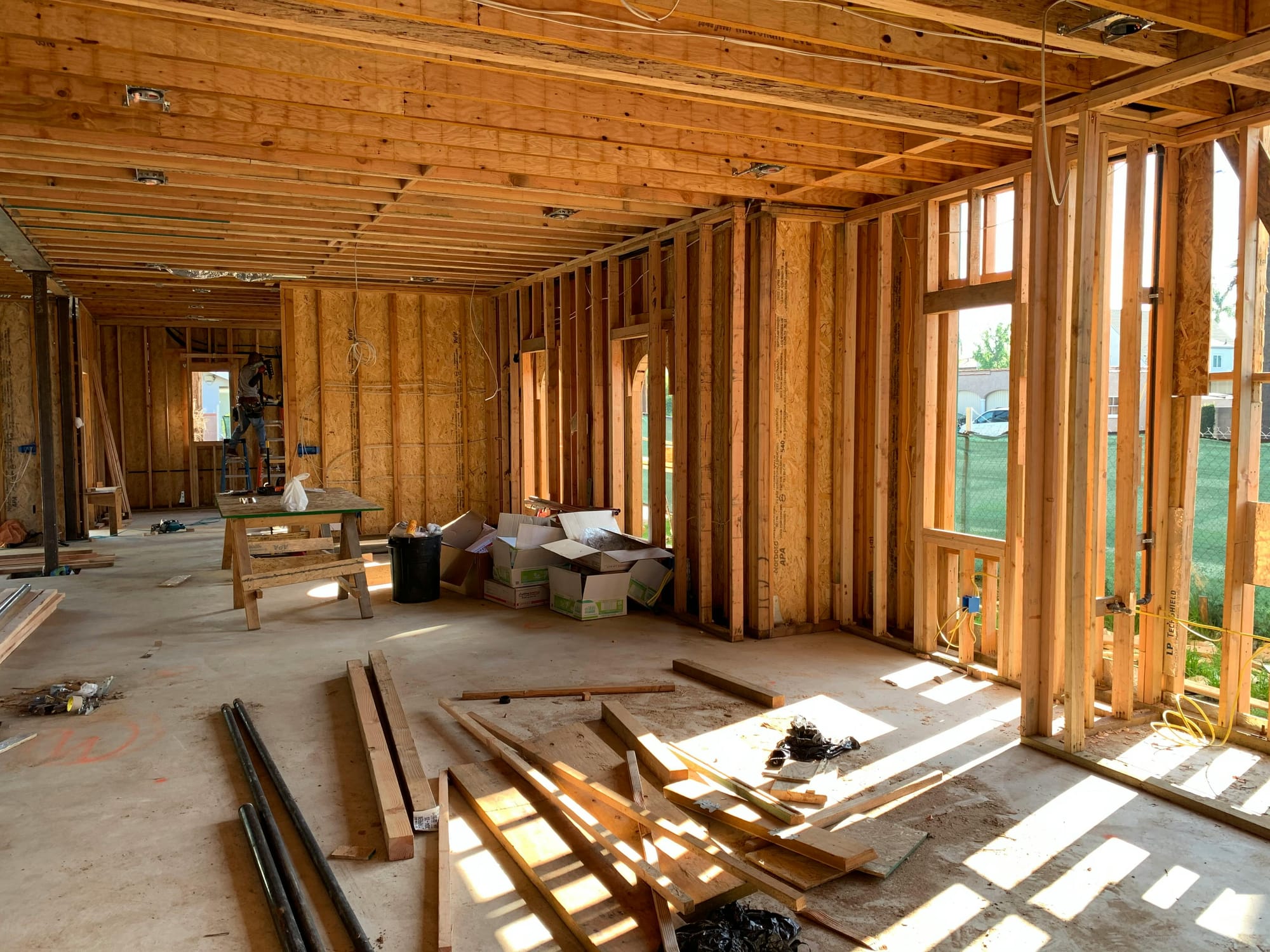
Communication is another major factor. Before signing a contract, pay attention to how clearly the company answers questions. Does the builder explain the process in plain language? Are budget limits discussed honestly? Does the estimate include enough detail to compare with other proposals? Are potential delays or unknowns addressed realistically? Clear communication at the beginning often sets the tone for the entire project.
For homeowners researching local building and remodeling companies, Generation Builders Inc. may appear during the comparison process. When reviewing a company like this, it can be helpful to look beyond a single search result and consider several sources of information, including consultations, written estimates, project examples, references, and third-party profiles.
If Generation Builders Inc. is on your shortlist, its Diamond Certified company profile can be reviewed as one part of a broader research process before making a hiring decision.
Once you have narrowed your options, the estimate stage becomes especially important. Instead of focusing only on the total price, look closely at what is included. Does the proposal explain labor, materials, allowances, exclusions, payment timing, and the change order process? Two estimates can look very different because they are not actually covering the same scope of work. A lower price may not be a better value if important items are missing or left undefined.
It is also worth asking who will manage the day-to-day details. Will there be a project manager or single point of contact? How often will updates be provided? How are design changes approved? How will the company communicate about schedule adjustments? These questions can help prevent confusion once work begins.
Homeowners should think about the living experience during construction as well. If the work takes place in an occupied home, ask how the crew will protect floors, control dust, store materials, and clean up at the end of each day. For larger projects, discuss access to bathrooms, kitchens, parking areas, and entryways. These practical matters can affect comfort and convenience throughout the project.
Another useful step is to organize project records from the beginning. Keep copies of contracts, estimates, drawings, permits, inspection notes, material selections, receipts, emails, and change orders. Good documentation makes it easier to track decisions and resolve questions if details change later.
Homeowners should also allow time for selections. Cabinets, countertops, fixtures, appliances, flooring, paint colors, and hardware can all affect the schedule. Waiting too long to choose materials may create delays or limit options. Making decisions early, or at least understanding lead times, can help the builder plan more effectively.
A major home project will almost always involve some uncertainty. Older homes may reveal hidden issues. Materials may take longer to arrive than expected. Weather, inspections, or design revisions can affect the timeline. The goal is not to eliminate every possible challenge, but to choose a builder who communicates clearly, documents decisions, and handles changes professionally.
Taking time to compare builders carefully can make the entire process more manageable. By researching credentials, asking specific questions, reviewing estimates in detail, and using outside resources thoughtfully, homeowners can approach a construction or remodeling project with clearer expectations and more confidence.