A Homeowner’s Guide to Septic System Care and Smart Provider Choices

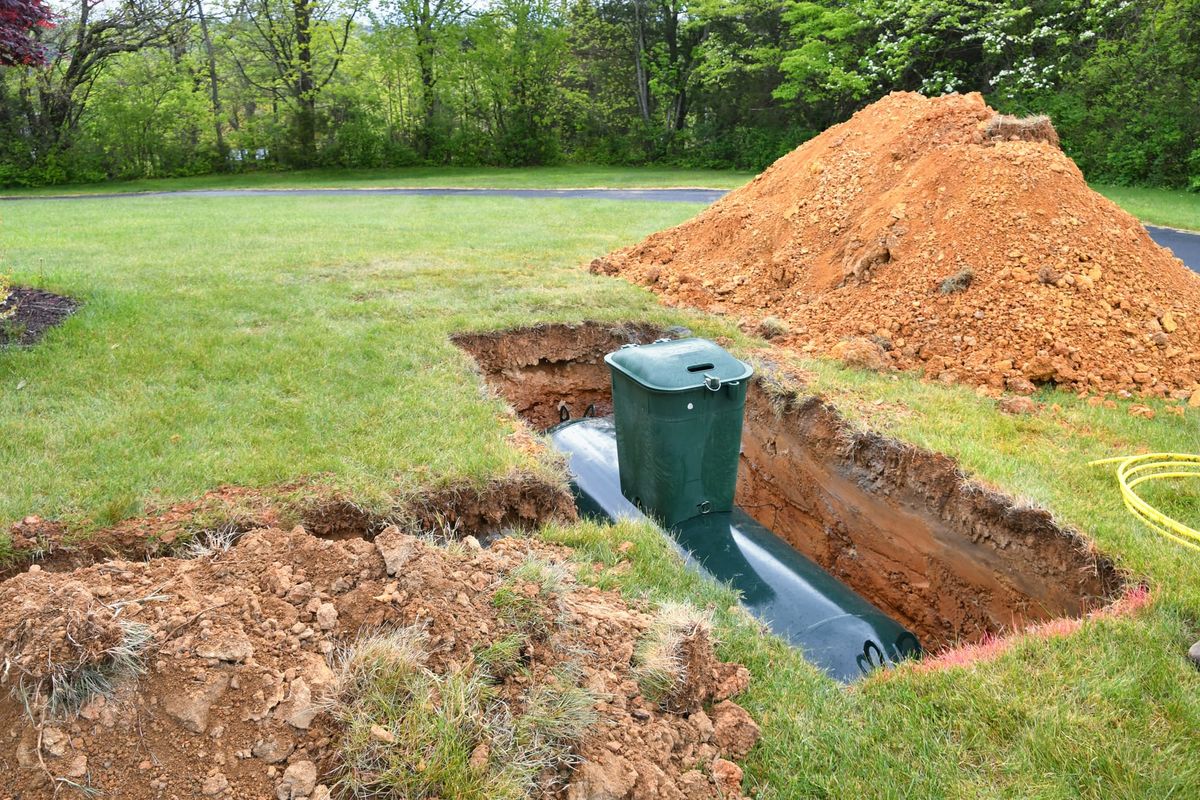
Owning a home with a septic system means you carry responsibility for something most people never think about. Your septic tank and drain field quietly handle waste every day. When they work well, you hardly notice. When they fail, you notice fast. Repairs are expensive, messy, and stressful. The good news is that with steady care and smart choices, you can keep your system healthy for decades.
Why Septic Systems Matter
Your septic system protects your property and your health. Wastewater from sinks, showers, and toilets flows into the tank. Solids settle at the bottom. Liquids move out into the drain field where soil filters them. If the tank overflows or the drain field clogs, untreated waste can surface. That means foul smells, soggy yards, and even contamination of groundwater.
Signs Your Septic System Needs Attention
You should watch for warning signs.
• Slow drains in sinks or tubs
• Gurgling sounds in pipes
• Wet spots or odors near the drain field
• Toilets backing up
These signs mean your system is struggling. Acting early saves money and prevents damage.
Pumping and Inspection Basics
Most tanks need pumping every three to five years. The exact timing depends on tank size and household use. A professional inspection checks for cracks, leaks, or buildup. Skipping pumping leads to solids clogging the drain field. That repair often costs more than replacing the tank itself.
Everyday Habits That Protect Your System
Your daily choices matter.
• Limit grease poured down drains. Grease hardens and clogs pipes.
• Avoid flushing wipes or feminine products. They do not break down.
• Spread laundry loads across the week. Too much water at once floods the tank.
• Keep vehicles off the drain field. Weight compacts soil and blocks filtration.
Choosing a Septic Service Provider
When you need pumping or repair, you face choices. Providers vary in skill, equipment, and reliability. Look for licensed contractors with proven records. Ask about training and certifications. Compare reviews and research reports. For example, homeowners often check resources like Allstarz Pumping Engineering to see how providers stack up against standards.
The Value of Neutral Research
Independent reports give you unbiased information. They show customer satisfaction scores, complaint handling, and service quality. Reading these helps you compare providers without relying only on ads or word of mouth.
Long-Term Maintenance Planning
Think of septic care as a schedule, not a one-time job.
• Pump every three to five years
• Inspect annually
• Track household water use
• Budget for upkeep
Planning ahead prevents emergencies.
Environmental Impact
A healthy septic system protects local water. Leaks can spread bacteria and nitrates. These harm wells, streams, and lakes. Responsible care keeps your community safe.
Common Myths About Septic Systems
Many homeowners believe myths that lead to trouble.
• Additives replace pumping. False. No chemical replaces physical removal of solids.
• Bigger tanks never need service. False. All tanks fill eventually.
• Drain fields last forever. False. Soil clogs over time.
When Repairs Are Needed
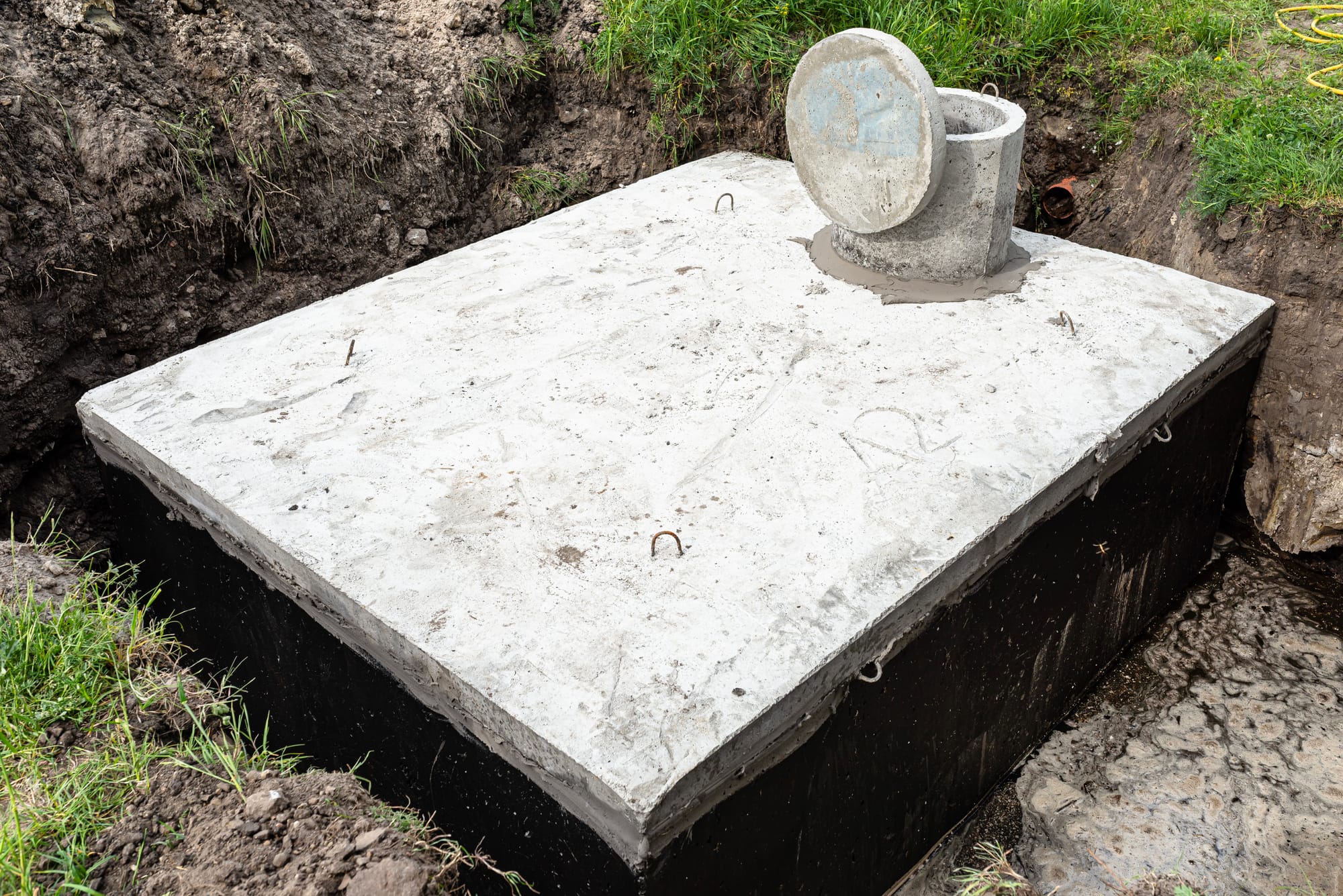
Sometimes pumping is not enough. Cracked tanks, broken baffles, or saturated drain fields require repair. Costs vary widely. This is when comparing providers matters most. Reports such as Allstarz Pumping Engineering help you see which companies handle repairs with skill and fairness.
Preparing for Emergencies
Keep a plan ready. Know who to call if your system backs up. Store records of past pumping and inspections. Quick action reduces damage.
Septic Systems and Property Value
Buyers care about septic health. A well-documented system adds value. A failing system lowers it. Keeping records of service shows responsibility.
Questions to Ask a Provider
When you interview contractors, ask:
• How long have you been in business?
• What training do your technicians have?
• Do you provide written inspection reports?
• How do you handle unexpected issues?
Answers reveal professionalism.
Comparing Providers Fairly
Do not choose based only on price. Quality matters. Neutral sources like Allstarz Pumping Engineering give you context beyond cost.
Final Thoughts
Your septic system is out of sight but should never be out of mind. Regular care, smart habits, and informed provider choices keep it working. Use research reports to compare contractors. Protect your property, your wallet, and your health by treating septic care as a priority.