How Do You Know If an HVAC Company Is Actually Worth Hiring?

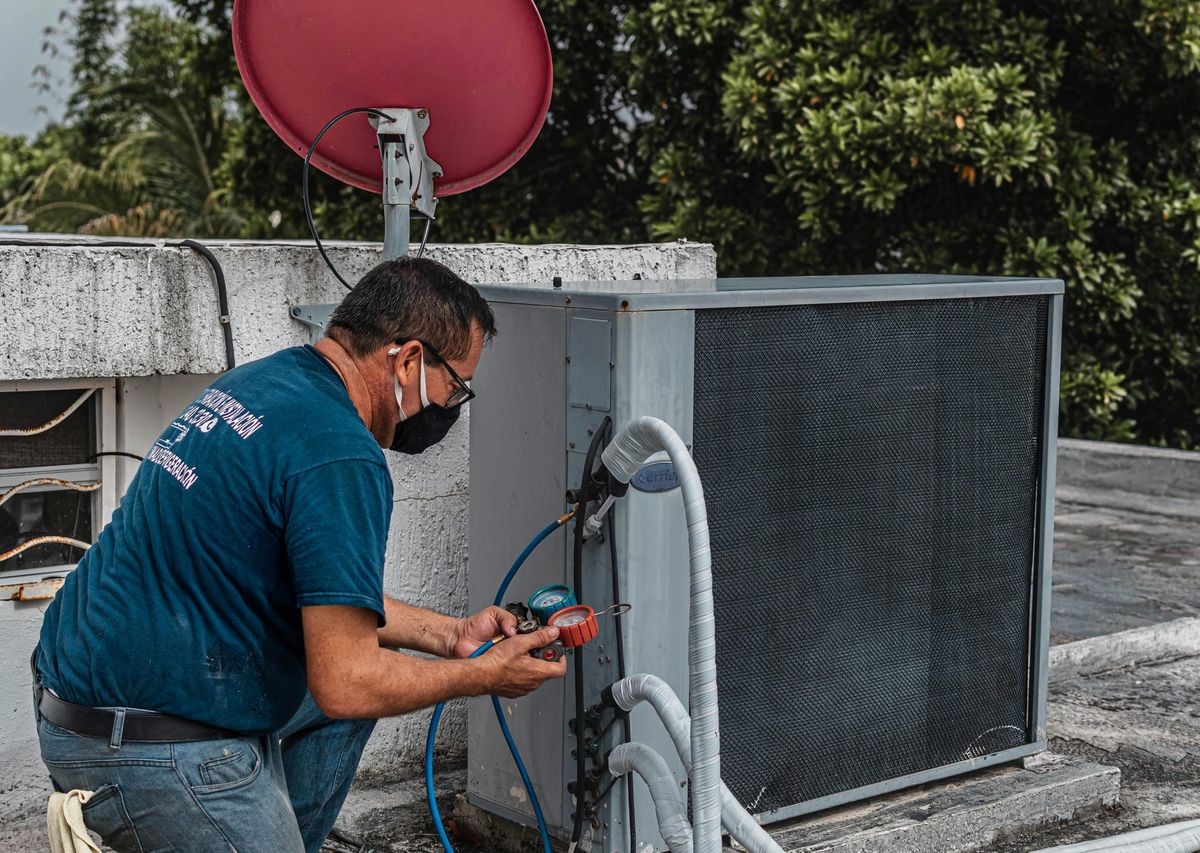
Most homeowners only think about their heating and cooling system when something goes wrong. The furnace stops working in January. The air conditioner gives out on the hottest week of summer. At that point, you are not shopping carefully. You are calling whoever shows up first in a search result and hoping for the best.
That is exactly when bad hiring decisions happen.
The HVAC industry in California is large and competitive. There are good companies in it. There are also companies that overcharge, underdeliver, and disappear when follow-up work is needed. Knowing how to tell them apart before you need them is worth your time.
Licensing Is the Starting Point, Not the Finish Line
In California, HVAC contractors are required to hold a C-20 license issued by the Contractors State License Board. That is the legal minimum. A license tells you a company cleared a regulatory threshold. It does not tell you how they treat customers, how experienced their technicians are, or whether they will stand behind their work.
Start with licensing verification, but do not stop there.
Indoor Air Quality Is Not a Secondary Service

Most people hire an HVAC company to fix a broken air conditioner or a furnace that stopped heating. Fewer people think about what is actually circulating through their home between those service calls.
Indoor air quality is a real and measurable problem in residential homes. Dust, allergens, mold spores, and chemical off-gassing from building materials all accumulate in duct systems and living spaces over time. A company that offers home air quality testing, air quality inspections, and air quality meters as part of its service menu is thinking about your home more completely than one that only shows up for repair calls.
Ask whether air quality inspection is something they do as a standalone service or only as an add-on when something breaks. The answer tells you how they approach the work.
Repair Capability Matters as Much as Installation
Some HVAC companies are primarily installation-focused. They are good at putting in new systems and less experienced with diagnosing and repairing aging equipment. If your furnace or air conditioner is repairable, you want a company that will give you an accurate read on that before recommending a full replacement.
Ask directly: do you handle furnace repair and air conditioner repair in-house, or do you subcontract those jobs? A company with strong repair capability tends to give you more honest advice about whether a replacement is actually necessary.
The Estimate Process Tells You a Lot Before Work Starts
A trustworthy HVAC company gives you a written estimate that breaks down labor, parts, and any additional fees clearly. They explain what they found, why they are recommending a specific repair or replacement, and what alternatives exist.
Companies that rush through the estimate, give vague pricing, or push hard for an immediate decision before you have reviewed anything in writing are worth being cautious about. Urgency tactics in a sales conversation are usually a sign that the numbers do not hold up under scrutiny.
Verified Customer Feedback Beats Marketing Copy
Every HVAC company's website says they are reliable, experienced, and customer-focused. None of them say otherwise. That makes their own marketing copy essentially useless as a research tool.
What you want is feedback from real customers who had no incentive to be generous. Third-party platforms that require service confirmation before publishing a review carry far more credibility than a curated testimonials page. Look for consistent patterns across a large number of responses, not just a handful of glowing quotes.
Ask Who Is Actually Doing the Work
Some HVAC companies operate with their own trained technicians. Others use subcontractors they have limited visibility into. This is not always a problem, but you should know about it. Ask directly whether the technician who shows up will be a direct employee of the company. Ask whether they have completed manufacturer or industry training on the specific equipment involved.
For air conditioner repair and furnace repair especially, the quality of the diagnosis depends heavily on the person doing it, not just the tools they brought with them.
Do Not Skip the Air Quality Testing Conversation
If a company offers home air quality testing, take them up on it before any major HVAC work begins. A baseline air quality reading gives you something concrete to compare against after duct cleaning, filter replacement, or system upgrades. It also surfaces problems that a standard HVAC inspection would not catch, including particulate levels, carbon monoxide traces, and humidity imbalances that affect both comfort and health.
Companies that use air quality testers and meters as part of their standard process are doing more thorough work than companies that skip that step entirely.
Independent Ratings Give You a More Honest Picture
When you are comparing companies, look for data that did not come from the company itself. Independent platforms that survey real customers directly, rather than collecting self-reported reviews, give you a more accurate read on what working with a company actually looks like.
The profile for California Heating and Cooling on Diamond Certified is one example of that. The ratings come from independently conducted customer surveys across their full service range, including heating and cooling repair, air quality work, and indoor inspections. You can read verbatim feedback from confirmed customers and see how they perform across specific categories.
That kind of data is harder to game than a star rating on a platform that accepts unverified submissions.
The Pattern to Watch For
The HVAC companies worth hiring share a few common traits. They are straightforward about pricing. They document everything in writing. They show up when they say they will. Their technicians can explain what they are doing and why in plain language. And they treat indoor air quality as part of the job, not an upsell.
The ones worth avoiding tend to be difficult to get clear information from, quick to pressure you into decisions, and slow to respond when problems come up after the job is done.
Do your research before the heat goes out. It is much easier to make a good decision when you are not in the middle of an emergency.