How to Choose a Concrete Contractor Who Won't Wreck Your Driveway

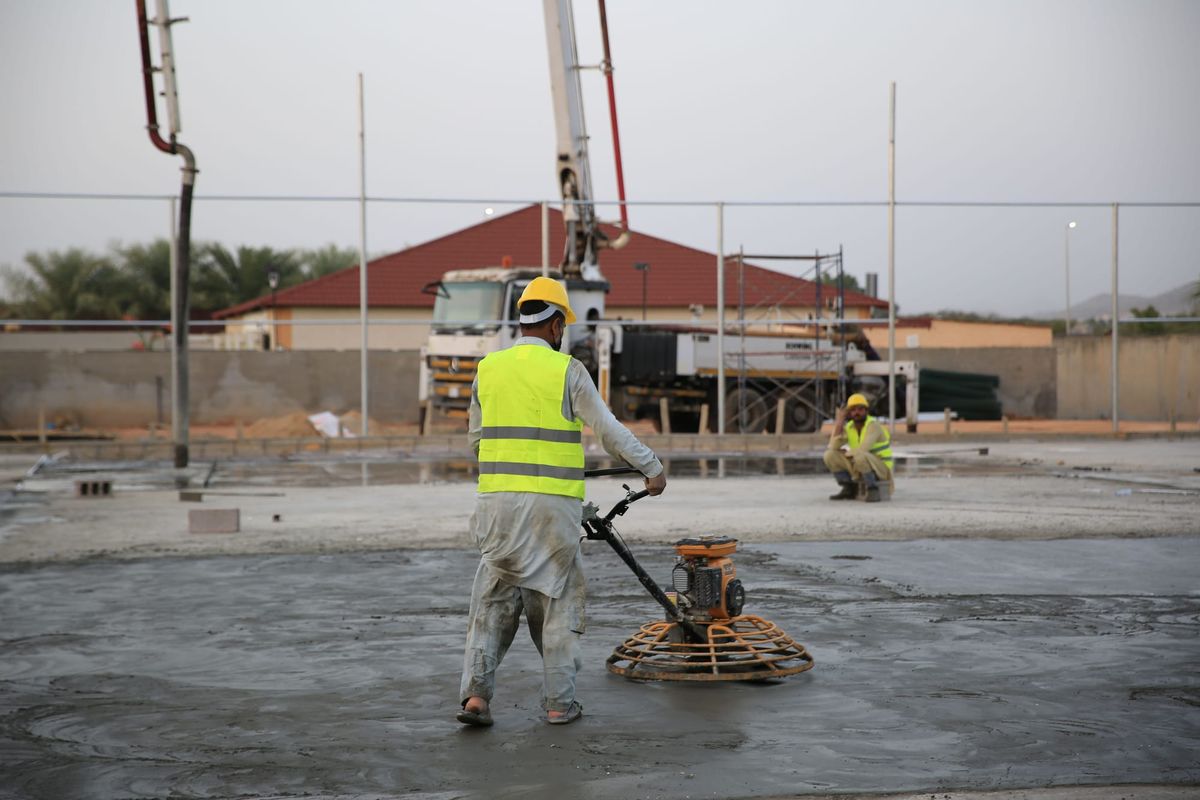
Excerpt: A bad concrete pour doesn't just look ugly, it can cost thousands to fix. Here's how California homeowners can vet a contractor before signing anything.
Steve thought he was saving money. His driveway had a few hairline cracks, nothing serious, so he hired the guy who quoted the lowest price on a flyer stapled to a telephone pole. Three months after the new pour, the whole slab was pitted, uneven, and pooling water every time it rained. He ended up paying twice what the "expensive" contractor had originally quoted, just to tear it out and start over.
If you own a home in California, you've probably got a slab somewhere on your property that needs attention eventually. A driveway, a patio, a walkway, maybe even foundation work. Concrete looks simple from the outside. Pour it, smooth it, let it cure. In reality, it's one of those jobs where the difference between a contractor who knows what they're doing and one who doesn't shows up months later, usually in the form of cracks, drainage problems, or a slab that starts crumbling at the edges.
The Real Risk of Hiring the Wrong Concrete Contractor
Concrete work looks forgiving, but it isn't. The mix ratio, the sub-base prep, the curing time, all of it has to be right, or you end up with problems that don't show up until well after the contractor has cashed your check and moved on.
Cracking is the most common issue, and it usually traces back to poor sub-base compaction or a mix that wasn't right for the soil conditions. Improper curing is another one. Concrete needs time and the right moisture conditions to reach its full strength, and a contractor in a hurry to finish the job will sometimes skip steps that matter.
Then there's drainage. A driveway or patio poured without the right slope will send water toward your foundation instead of away from it, which can turn into a much bigger and more expensive problem than a cracked slab ever was.
And if the contractor isn't licensed or insured, you're the one holding the liability if a worker gets hurt on your property or the work causes damage. That's not a risk worth taking to save a few hundred dollars upfront.
Why Star Ratings Aren't Enough
Most people check Google or Yelp before hiring anyone these days, and that's a reasonable starting point. But a star rating only captures how someone felt right after the job finished. It doesn't tell you whether the driveway is still holding up two years later, or whether the company has had legal complaints filed against them, or whether their license is even current.
A star rating tells you how a customer felt on day one. It doesn't tell you how the work holds up on day one thousand.
That gap is exactly what third-party certification services are built to address. Diamond Certified, for example, doesn't just collect reviews. Their process includes structured customer satisfaction surveys conducted independently, legal and licensing verification to confirm a company is actually in good standing, and ongoing performance tracking rather than a one-time approval that never gets revisited.
That combination makes it a more rigorous filter than a star average alone. It's less about a single moment of customer happiness and more about whether a company has a track record worth trusting.
If you're researching concrete contractors in California and want to see what that kind of vetting looks like in practice, you can read the full Diamond Certified report on Alcon Concrete here. It's a useful example of how the certification breaks down for a specific provider, not a suggestion that it's the only option worth considering. Plenty of concrete contractors around the state carry similar certifications, and comparing a few reports is a smart way to narrow your list before requesting quotes.
General Tips for Vetting Any Contractor
The lessons here apply to more than concrete work. Before you sign a contract with any home improvement contractor, a few habits go a long way.
Get at least three quotes, not just to compare price but to see how each contractor talks about the job. A contractor who walks the site, asks questions, and explains their process is usually more trustworthy than one who quotes a number over the phone without seeing the property.
Ask for references from jobs completed at least a year or two ago, not just recent ones. That gives you a better sense of how the work holds up over time.
Confirm licensing directly through your state's contractor licensing board rather than taking a company's word for it. It takes a few minutes and can save you a massive headache later.
Get everything in writing, including the timeline, materials, and what happens if something goes wrong mid-project. A contractor who's vague about this is telling you something important.
None of this eliminates risk entirely, but it stacks the odds in your favor. And when the job involves something as permanent as a concrete slab, that's worth the extra hour of research.
Your Turn
Have a concrete horror story, or a contractor who actually did right by you? Drop a comment below, homeowners comparing notes is half the reason this blog exists. And if you found this useful, subscribe for more practical guidance on renovation, maintenance, and hiring the right people for the job.