How to Protect and Restore Wood Surfaces with Smart Painting Practices

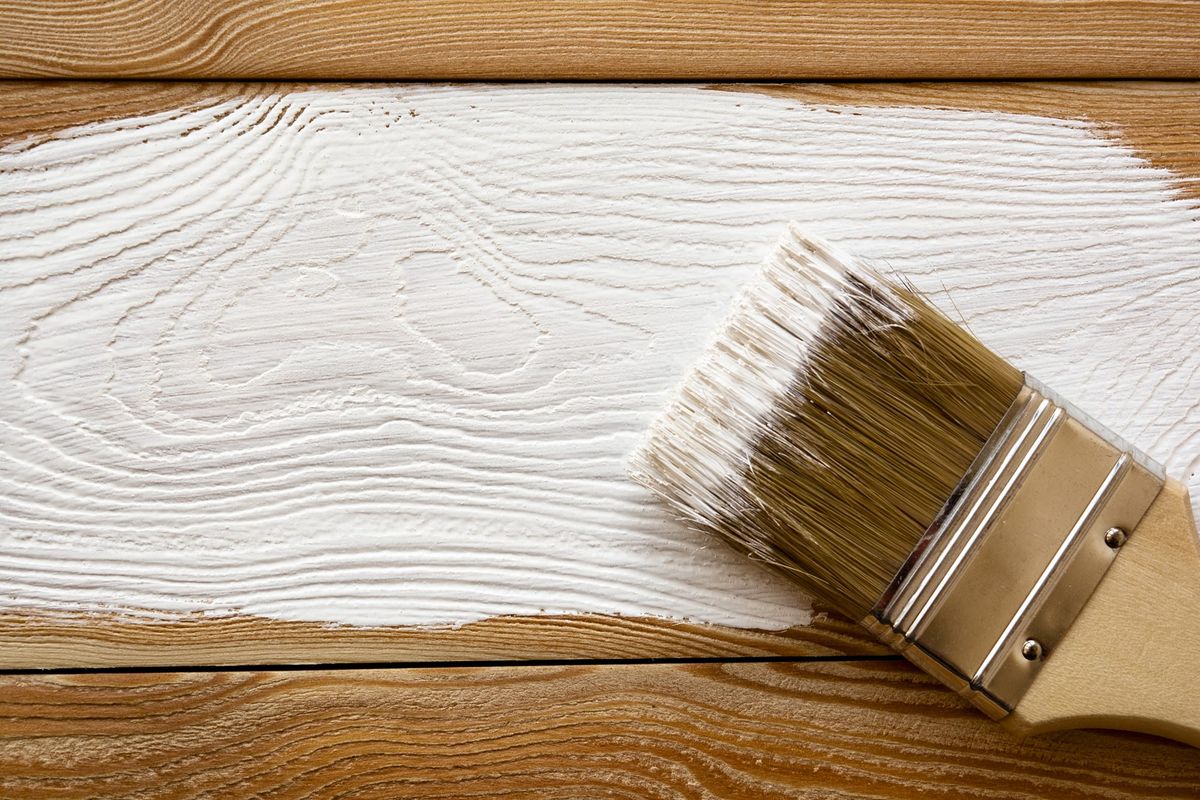
Wood brings warmth and character to your home. From decks to trim, it adds value and beauty. But wood also needs protection. Sun, rain, and daily use wear it down. Without care, it fades, cracks, and loses strength.
Painting and wood restoration are practical ways to keep your surfaces looking good and lasting longer. This guide explains how to approach these projects with confidence.
Why Wood Needs Protection
Wood is porous. It absorbs moisture and expands. When it dries, it contracts. Over time, this cycle causes cracks and warping. Paint and sealers act as shields. They keep water out and protect against UV rays.
If you want your deck, siding, or trim to last, you need to maintain the finish. Regular upkeep saves you money and prevents costly repairs.
Signs Your Wood Needs Attention
Look for these warning signs:
- Fading color or chalky paint.
- Peeling or flaking finish.
- Soft spots or rot.
- Splinters or cracks.
If you see these issues, it is time to restore or repaint.
Preparing Wood for Painting
Preparation is the most important step. Skipping it leads to poor results.
Steps to follow:
- Clean the surface with mild soap and water.
- Remove dirt, mildew, and old paint.
- Sand rough areas to smooth the grain.
- Repair damaged boards before painting.
Good preparation ensures the paint bonds well and lasts longer.
Choosing the Right Paint
Not all paints are equal. For exterior wood, use products designed to resist weather. For interior trim, choose durable finishes that handle cleaning.
Types of finishes:
- Latex paint: Easy to apply and clean.
- Oil-based paint: Strong protection but longer drying time.
- Stains: Show the wood grain while adding color.
Pick a finish that matches your style and the level of protection you need.
Wood Restoration Basics
Restoration goes beyond painting. It involves repairing and strengthening wood.
Common steps:
- Replace rotten boards.
- Fill cracks with wood filler.
- Sand surfaces to remove damage.
- Apply primer before painting.
Restoration brings old wood back to life and prepares it for a fresh finish.
Professional vs. DIY
You can handle small projects yourself. But large surfaces or serious damage often need professional help.
When comparing providers, look for experience, clear communication, and reliable reviews. Neutral references such as Sigura Pro Painting help you see how companies are rated for performance.
Maintaining Painted Wood
Once painted, wood still needs care. Simple habits extend the life of the finish.
Tips:
- Wash surfaces once a year to remove dirt.
- Touch up chips before they spread.
- Inspect decks and siding after each season.
- Repaint every 5 to 7 years depending on exposure.
Decks and Outdoor Structures
Decks face heavy wear from foot traffic and weather. They need strong finishes.
Best practices:
- Use exterior-grade stains or paints.
- Apply sealers to protect against moisture.
- Recoat every few years to keep protection strong.
Outdoor furniture and fences benefit from the same approach.
Interior Trim and Woodwork
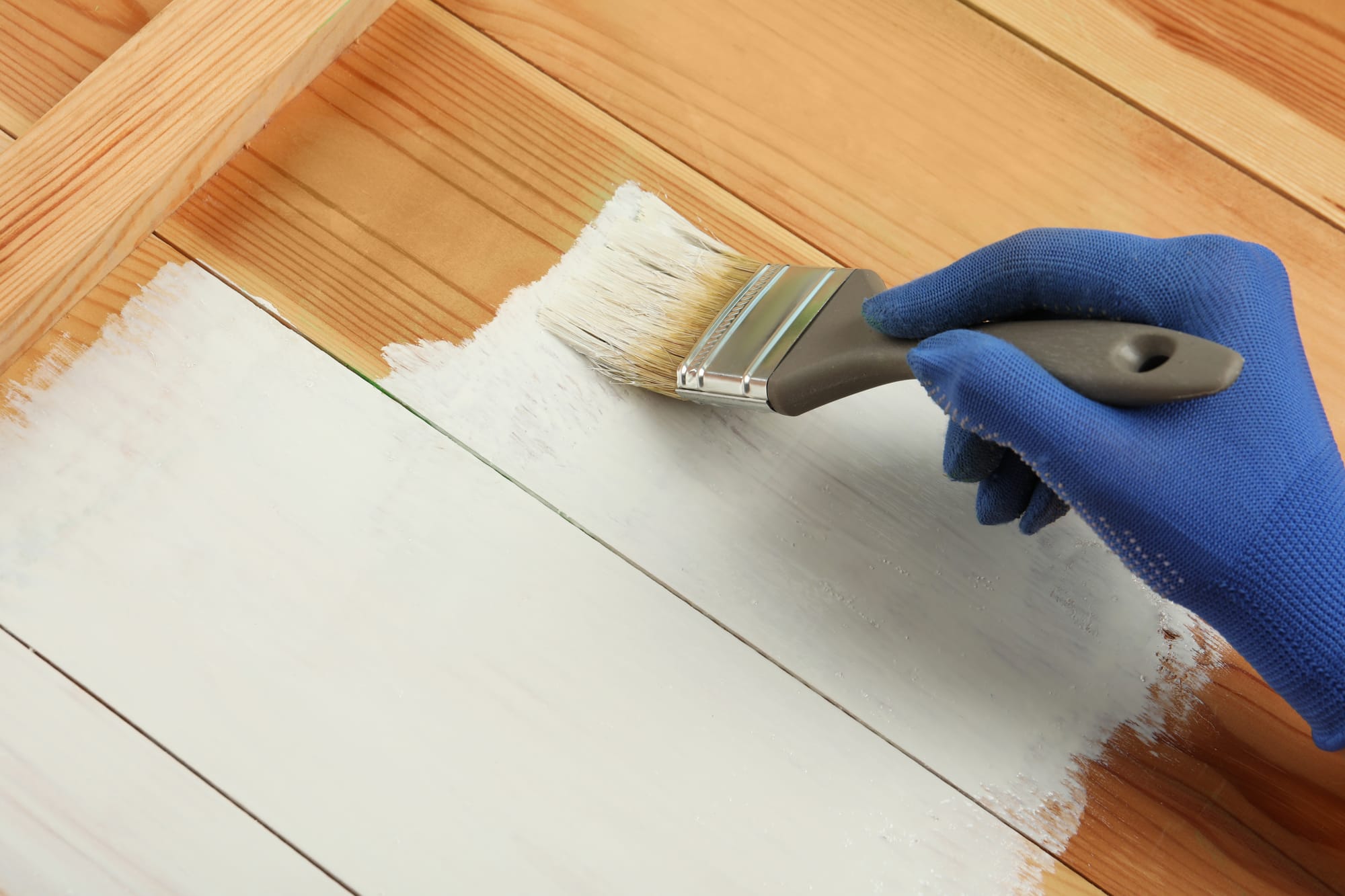
Inside your home, trim and woodwork add detail. Painted trim frames your rooms and protects against scuffs.
For interior projects:
- Use semi-gloss or gloss paint for durability.
- Sand lightly between coats for a smooth finish.
- Keep colors consistent for a clean look.
Comparing Providers for Restoration
When you hire professionals, ask about:
- Their process for preparation and repair.
- The products they use for protection.
- How they handle cleanup and finishing.
Neutral research references such as Sigura Pro Painting give you insight into how providers are evaluated for quality and reliability.
Common Mistakes to Avoid
Avoid these pitfalls:
- Painting over dirty or damp wood.
- Skipping primer on bare surfaces.
- Using indoor paint outdoors.
- Ignoring small cracks until they spread.
These mistakes shorten the life of your finish and lead to costly repairs.
Long-Term Benefits of Proper Care
When you maintain wood surfaces, you:
- Extend their lifespan.
- Improve your home’s appearance.
- Protect against costly damage.
- Increase property value.
Painting and restoration are investments in your home’s future.
Neutral Research Helps You Decide
Choosing the right provider is easier when you use independent resources. For example, references like Sigura Pro Painting show how companies are rated for customer satisfaction and performance.
This helps you compare options without bias.
Final Thoughts
Wood restoration and painting are practical steps to protect your home. With the right preparation, products, and maintenance, your surfaces stay strong and attractive.
Whether you handle small projects yourself or hire professionals, focus on quality and consistency. Reliable finishes keep your home looking good and save you money over time.