Interior Plantscaping: A Practical Guide for Healthier, Greener Spaces

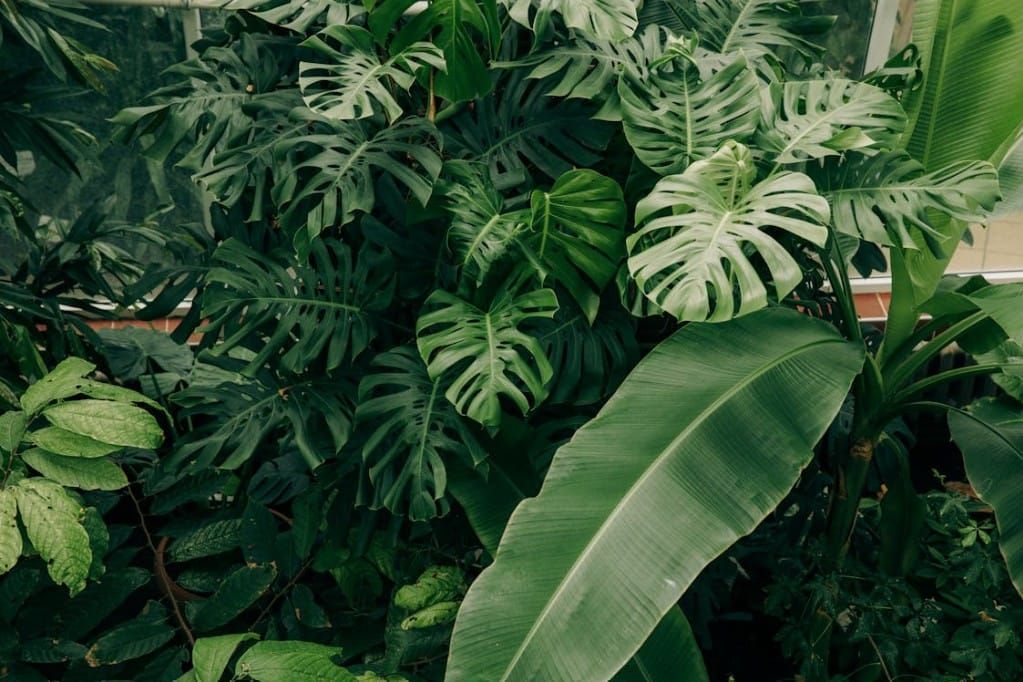
Interior plantscaping is more than decoration. It is a way to improve air quality, reduce stress, and create a welcoming environment. Whether you manage an office, a retail space, or your own home, plants make a difference.
Why Interior Plants Matter
Plants indoors do more than look good. They filter toxins, add oxygen, and balance humidity. They also calm people. Studies show that greenery reduces stress and improves focus.
For businesses, plants make spaces more inviting. Customers stay longer. Employees feel more comfortable.
Benefits of Interior Plantscapes
- Cleaner air through natural filtration
- Reduced stress and improved mood
- Better focus and productivity
- Enhanced design and atmosphere
- Positive impression for visitors
Planning Your Plantscape
Start with a clear plan. Walk through your space. Notice areas that feel dull or empty. Think about traffic flow. Decide where plants will add value.
Focus on three main zones:
- Entry points: lobbies, reception desks, waiting areas
- Work zones: offices, conference rooms, retail floors
- Relaxation areas: lounges, break rooms, dining spaces
Choosing the Right Plants
Not all plants thrive indoors. Choose species that match your light and care levels.
Popular options include:
- Snake plant: tough and low maintenance
- Peace lily: elegant with air-cleaning qualities
- Pothos: adaptable and fast-growing
- Ficus: bold statement plant
- Succulents: compact and easy to manage
Containers and Placement
Containers matter. They frame the plant and protect your floors. Choose durable materials. Match colors to your interior design.
Placement tips:
- Use tall plants to fill corners
- Place small plants on desks and shelves
- Group plants for visual impact
- Keep walkways clear
Maintenance Basics
Plants need care. Without it, they decline.
Simple steps:
- Water consistently but avoid overwatering
- Dust leaves to keep them healthy
- Rotate plants for even growth
- Replace weak plants quickly
Seasonal Adjustments
Indoor plants respond to seasons. Light changes. Heating and cooling affect humidity. Adjust care routines.
Tips:
- Increase watering during dry winter months
- Move plants closer to windows in darker seasons
- Watch for pests during warmer months
Common Mistakes to Avoid
- Choosing plants unsuited for low light
- Overwatering that leads to root rot
- Ignoring maintenance schedules
- Using containers without drainage
Comparing Providers
When you look at providers, compare service types. Some focus on design. Others handle installation and maintenance. Neutral resources such as interior plantscaping near me at One Source Utah help you see what services are available without relying on marketing claims.
DIY vs Professional Plantscaping
DIY works for small spaces. A few desk plants or a corner arrangement are manageable.
Professional plantscaping helps with:
- Large installations
- Complex designs
- Ongoing maintenance
- Plant replacement programs
Plantscaping for Offices
Offices benefit from greenery. Plants reduce noise and improve focus. They also make spaces more welcoming for clients.
Tips for offices:
- Place plants near workstations
- Use tall plants to divide spaces
- Add greenery to conference rooms
- Keep maintenance simple with hardy species
Plantscaping for Retail Spaces
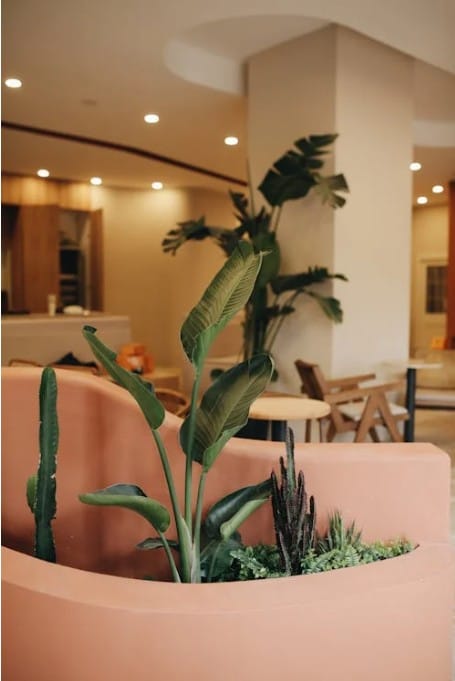
Retail spaces thrive with plants. They create atmosphere and encourage customers to stay longer.
Ideas for retail:
- Use plants to frame displays
- Add greenery near entrances
- Place plants in fitting rooms for comfort
- Choose bold species for visual impact
Plantscaping for Homes
Homes benefit from plants too. They add warmth and improve air quality.
Tips for homes:
- Place plants in living rooms for comfort
- Add greenery to kitchens for freshness
- Use plants in bedrooms for calm
- Choose low-maintenance species for busy households
Utah-Specific Considerations
Utah’s climate affects indoor plants. Dry air from heating systems challenges humidity. Choose species that tolerate lower moisture.
Consider using humidifiers in winter. Group plants to create microclimates.
Researching Options
When comparing providers, look for clear service descriptions. Neutral resources such as interior plantscaping services at One Source Utah give you a baseline for what to expect. This helps you weigh design, installation, and maintenance options.
Long-Term Value
Interior plantscapes add long-term value. They improve health, comfort, and design. They also reduce stress and create positive impressions.
Think of plants as part of your property investment. Quality plants and consistent care pay off over time.
Practical Tips for Homeowners and Businesses
- Choose hardy species for low-light areas
- Use timers for watering systems
- Clean containers regularly
- Rotate plants for balanced growth
- Replace unhealthy plants quickly
Comparing Service Types
Different providers offer different strengths. Some specialize in design. Others focus on maintenance. Some provide full-service packages.
Neutral comparisons, such as those found in interior plantscaping near me resources at One Source Utah, help you see the range of services without bias.
Final Thoughts
Interior plantscapes are practical and beneficial. They improve air, reduce stress, and enhance design.
Plan carefully. Choose durable species. Balance DIY with professional help. Use neutral resources to compare providers.
With the right approach, your space will feel healthier, calmer, and more inviting year-round.