Protecting Your Home From Termites: A Practical Guide


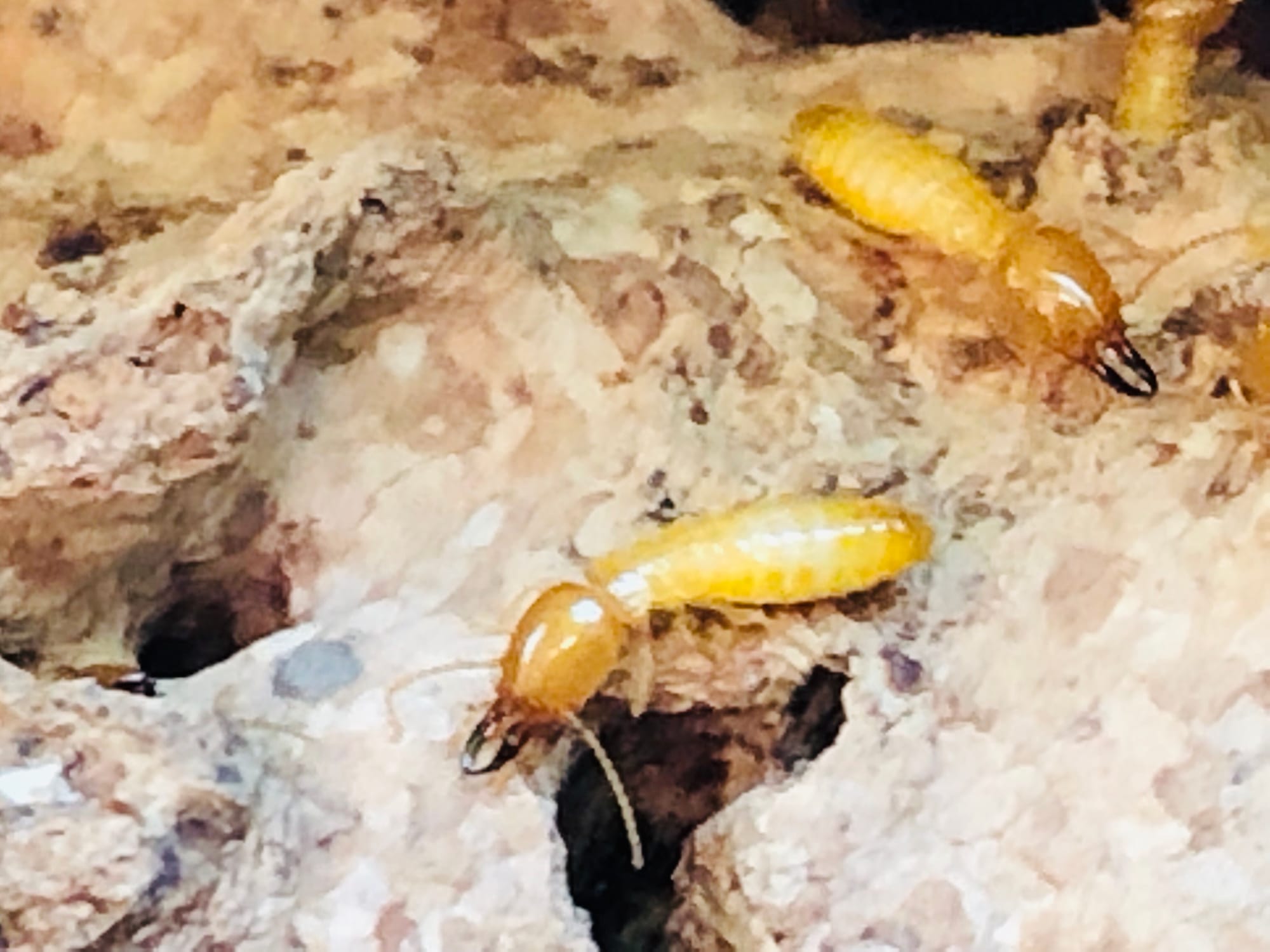
Termites are silent destroyers. They eat wood from the inside out, often without obvious signs until damage is severe. Protecting your home from termites requires awareness, prevention, and professional help when needed. This guide explains how to spot problems early and keep your home safe.
Why Termite Control Matters
Termites weaken the structure of your home. They damage floors, walls, and furniture. Left untreated, infestations lead to costly repairs. Preventing termites is easier and cheaper than fixing damage later.
Common Types of Termites
Different termite species attack homes in different ways.
- Subterranean termites: Live underground and build mud tubes to reach wood.
- Drywood termites: Nest directly inside wood and do not need soil contact.
- Dampwood termites: Prefer moist wood and are often found in leaky areas.
Knowing which type you face helps determine the right treatment.
Signs of Termite Activity
Watch for these warning signs:
- Mud tubes along foundations or walls
- Hollow-sounding wood when tapped
- Discarded wings near windows or doors
- Blistered paint or wood surfaces
- Droppings that look like sawdust
If you notice these signs, act quickly.
Everyday Prevention Tips
Simple steps reduce the risk of termites.
- Fix leaks and keep areas dry
- Store firewood away from your home
- Seal cracks in foundations and walls
- Keep gutters clean and direct water away from the house
- Inspect wooden structures regularly
These habits make your home less attractive to termites.
Professional Termite Control
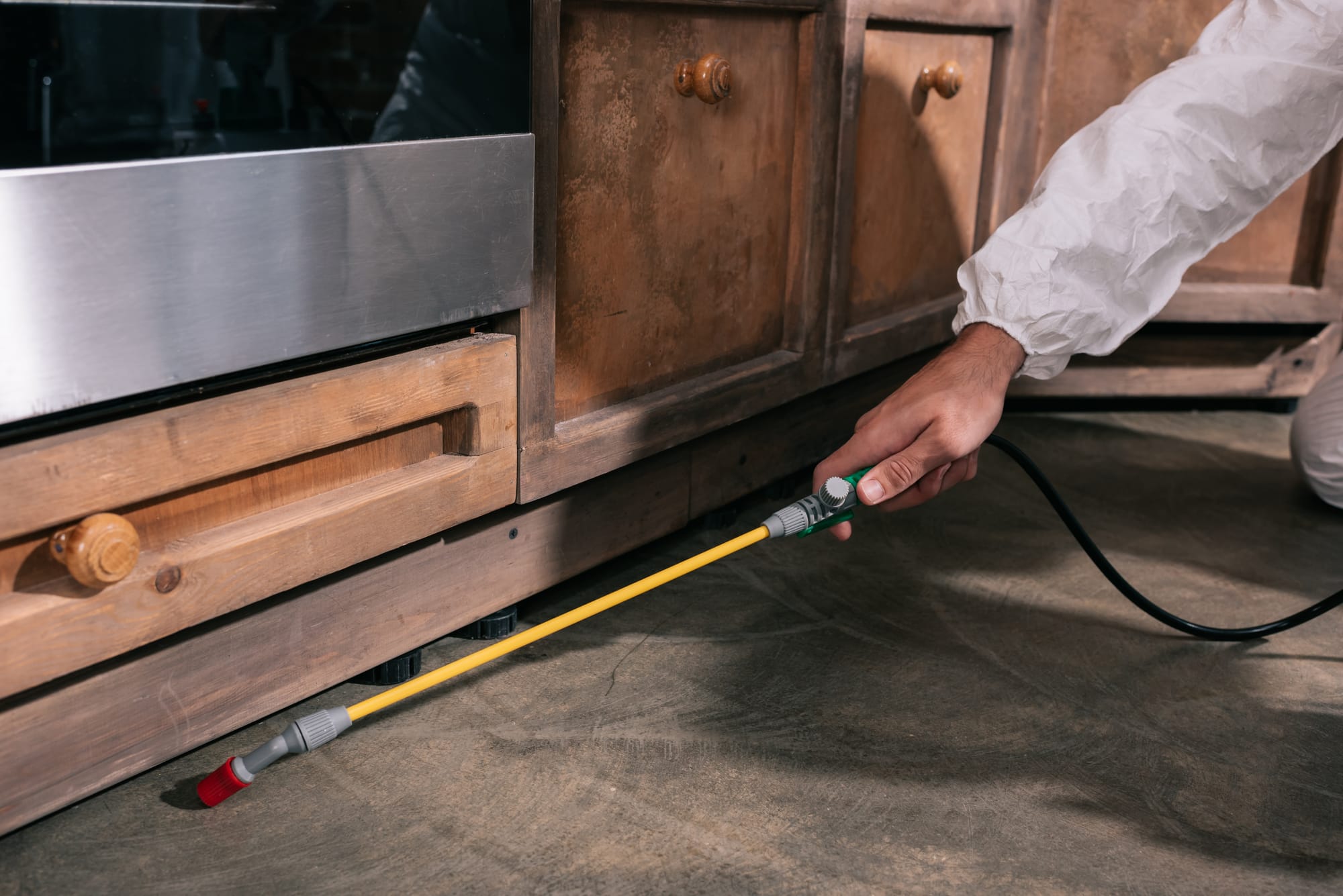
Professional services provide thorough inspections and treatments. They use specialized tools and chemicals to eliminate colonies. Treatments include:
- Liquid barriers around foundations
- Bait systems that attract and kill termites
- Wood treatments that prevent infestations
- Fumigation for severe cases
Professionals also provide follow-up inspections to ensure termites do not return.
Comparing Providers
Choosing the right provider is important. Look for companies with experience, proper licensing, and strong customer reviews. Resources like the Diamond Certified report on Great Wall Termite Control are useful when comparing providers. Reports like these give you insight into customer satisfaction and service quality.
Mistakes to Avoid
Homeowners often make mistakes that worsen termite problems. Avoid these:
- Ignoring small signs of damage
- Using DIY sprays without addressing colonies
- Skipping annual inspections
- Leaving wood debris near the house
- Delaying treatment until damage is severe
Avoiding these mistakes saves money and protects your home.
Cost Factors in Termite Control
Costs depend on infestation size, treatment type, and home layout. Preventive treatments are cheaper than repairs. Always request detailed quotes. Ask about warranties and follow-up inspections.
Using Trusted References
When you compare providers, use multiple sources. Customer reviews, personal recommendations, and professional reports all help. The Diamond Certified report on Great Wall Termite Control is one example of a trusted reference. It provides neutral information about customer satisfaction and service reliability.
Long-Term Benefits of Prevention
Preventing termites protects your home’s structure and value. Regular inspections and treatments reduce risk. Buyers notice homes with clean inspection records. Preventive care adds confidence during resale.
Questions to Ask Before Hiring
Before you hire a provider, ask:
- What types of termites do you treat?
- What methods do you use for prevention and elimination?
- What warranties do you offer on treatments?
- How often should I schedule inspections?
- Can you provide references from past customers?
These questions reveal whether the company is reliable.
Practical Steps for Homeowners
You can take steps between professional visits to protect your home.
- Inspect foundations and crawl spaces twice a year
- Repair leaks quickly
- Remove wood debris from yards
- Keep vents clear for airflow
- Schedule annual inspections with professionals
These habits reduce risk and keep your home safe.
Comparing Options With Confidence
Termite control is a specialized service. Use trusted resources to compare providers. The Diamond Certified report on Great Wall Termite Control is one such resource. It helps you make informed choices about service quality and customer satisfaction.
Final Thoughts
Termites threaten the safety and value of your home. Protecting against them requires awareness, prevention, and professional help. Learn the signs, avoid mistakes, and schedule regular inspections. Use trusted references like the Diamond Certified report on Great Wall Termite Control to guide your decision. With consistent care, your home will remain strong and termite-free for years.